

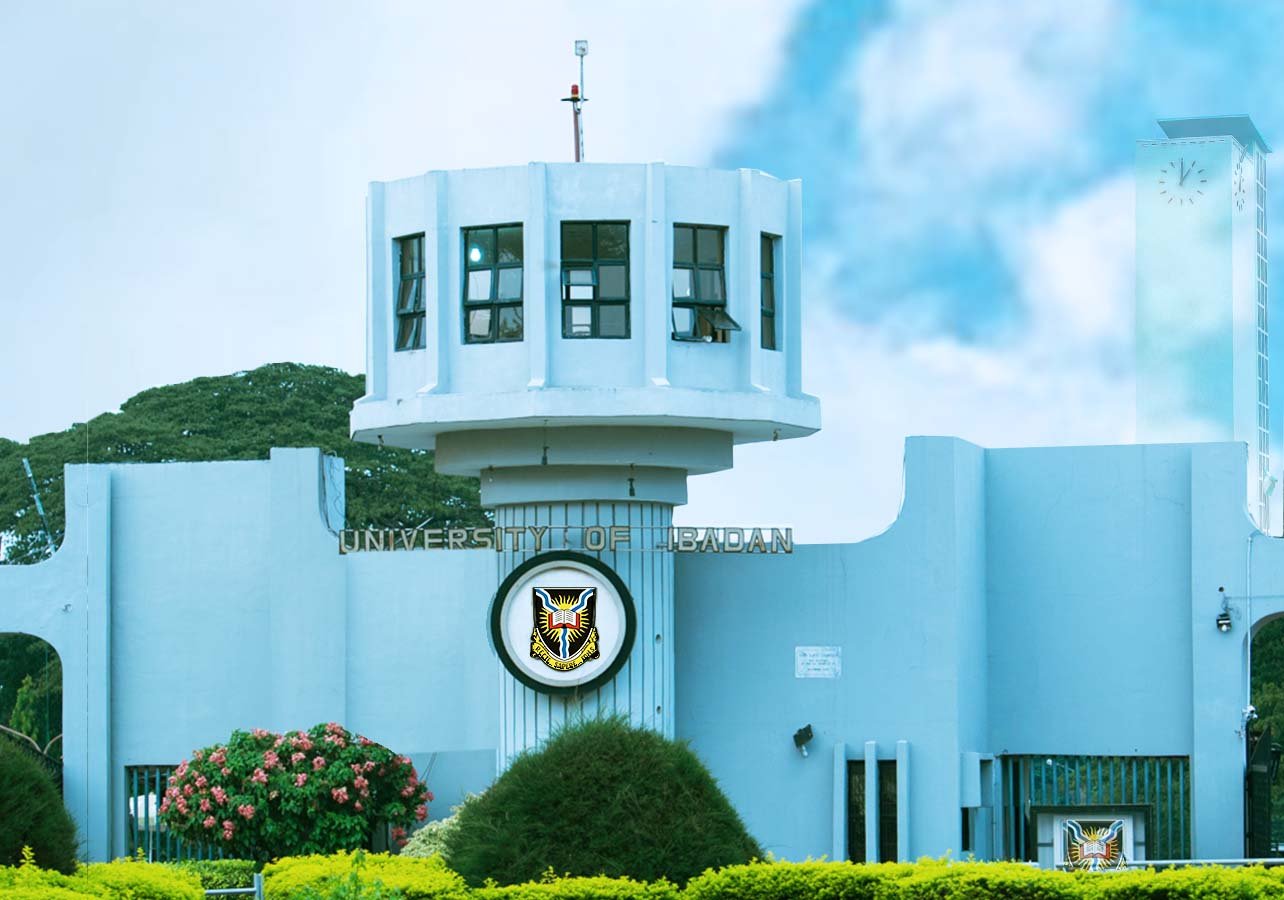
The Federal Government has been urged to make substantial investments in paediatric diagnostic imaging, modern medical technology and specialist manpower as part of efforts to improve child healthcare and reduce preventable childhood deaths in Nigeria.
The call came from Professor of Radiology at the University of Ibadan (UI), Prof. Mojisola Atalabi, who warned that inadequate imaging infrastructure, shortage of trained specialists and unsafe radiation practices continue to undermine the quality of healthcare available to Nigerian children.
Delivering the University’s inaugural lecture, titled “Spinning in the Invisible Rays of Paediatric Imaging: A Prophecy Fulfilled from Darkness to Light of Destiny”, Atalabi argued that advances in diagnostic imaging have transformed global medicine but that access to safe and specialised imaging services remains uneven in many low- and middle-income countries.
According to her, paediatric imaging is not merely an extension of adult radiology but a specialised field requiring dedicated expertise, as children respond differently to ionising radiation and have unique diagnostic needs.
She disclosed that studies undertaken by her research team found that radiation doses administered to children during radiographic examinations and cranial Computed Tomography (CT) scans in Nigeria were significantly higher than internationally accepted diagnostic reference levels.
The findings, she noted, prompted quality assurance reforms, improved radiation monitoring and renewed emphasis on the ALARA principle, which requires radiation exposure to be kept “As Low As Reasonably Achievable.”
She advocated wider deployment of Magnetic Resonance Imaging (MRI) and ultrasound, particularly for paediatric patients, describing both as safer alternatives that provide high-quality diagnostic information without exposing children to unnecessary ionising radiation.
Atalabi mentioned that using ultrasound-guided hydrostatic reduction for treating childhood intussusception is a great example of how new ideas can make healthcare better even when resources are limited.
“The innovation eliminated radiation exposure, reduced the need for surgery and anaesthesia, shortened hospital stays and allowed many children to return home within 24 hours without surgical scars,” she said.
According to her, the technique has since been adopted in several hospitals across the country.
Speaking on her research, Atalabi said several of her studies had influenced patient management in the areas of stroke diagnosis, childhood malaria, infertility, reproductive imaging and congenital abnormalities.
She noted that findings from one of her studies led to the introduction of routine pain management for women undergoing hysterosalpingography, while another prompted mandatory microbiological screening before the fertility investigation to reduce complications.
Reflecting on the theme of her lecture, Atalabi said the title was inspired by the science behind Magnetic Resonance Imaging, where spinning protons are repeatedly disturbed before producing the detailed images used by physicians for diagnosis.
She likened the scientific process to her life’s journey, saying repeated setbacks, disappointments and unexpected opportunities ultimately shaped her career and fulfilled a divine purpose.
“My life has followed a remarkably similar pattern. Like those spinning protons, I have experienced repeated disturbances, unexpected turns, disappointments, opportunities and moments of divine intervention. Yet each disruption ultimately contributed to a clearer picture of purpose and destiny,” she said.
The don recounted how she lost her grandmother, who laid the foundation of her education, survived a life-threatening accident as a secondary school student, returned to school after marriage and motherhood to pursue medicine, and eventually transferred to the University of Ibadan after the closure of Bendel State University’s medical school.
She urged young academics, researchers and medical professionals not to allow setbacks to define their future, saying perseverance, excellence and faith remained the bedrock of lasting success.
WATCH TOP VIDEOS FROM NIGERIAN TRIBUNE TV