

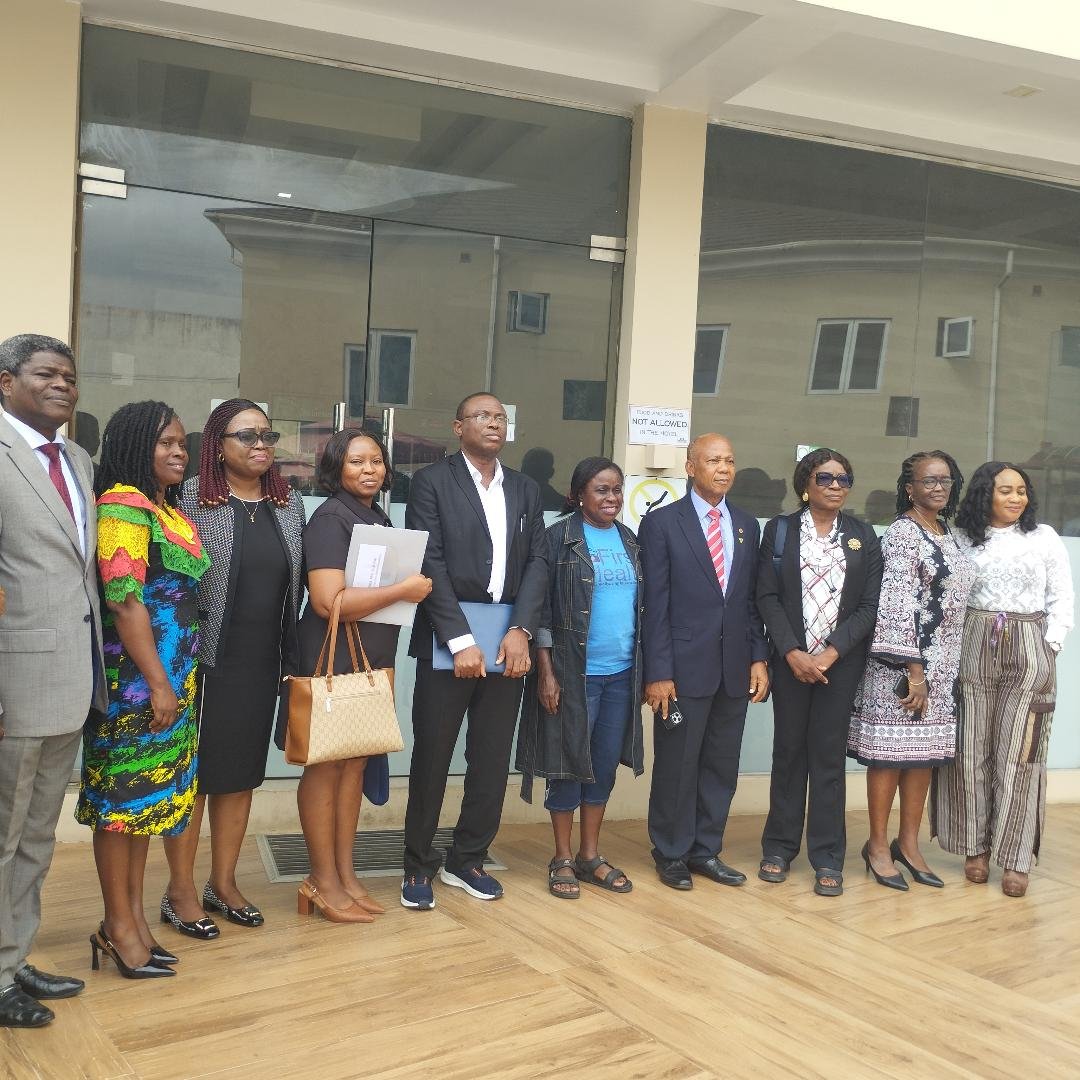
Leading Nigerian health specialists have launched the Osteoporosis Care Network (TOCAN) in a coordinated effort to confront osteoporosis, a disease experts warn is silently increasing the risk of disability, fractures and premature death as the country’s population ages.
The network, inaugurated in Ibadan, brings together orthopaedic surgeons, endocrinologists, physiotherapists, nutritionists, geriatricians, gynaecologists, family physicians, laboratory scientists and other healthcare professionals to improve the prevention, diagnosis, treatment and rehabilitation of people living with osteoporosis.
Speaking at the inaugural meeting, Professor Temitope Alonge, Chief Executive Officer of the Centre for Osteoporosis and Bone Health and convener of TOCAN, described osteoporosis as one of the most overlooked health conditions despite its potentially devastating consequences.
“Osteoporosis is often referred to as a silent thief because people rarely know they have it until they suffer a fracture. It is a systemic disease of the skeleton that gradually weakens the bones, making them unable to withstand normal stress,” Alonge said.
Unlike diseases that produce obvious symptoms in their early stages, osteoporosis quietly erodes bone strength over several years. Many patients present only after sustaining fractures of the spine, wrist or hip—injuries that can result in long-term disability and, in severe cases, death.
ALSO READ: Integrate community pharmacists into NHIA scheme, ACPN tells Tinubu
Alonge said the newly established network aims to change that pattern by promoting early detection and encouraging specialists to work collaboratively rather than in isolation.
He explained that effective management requires coordinated assessment of hormone levels, calcium and vitamin D status, bone mineral density, and other clinical risk factors before treatment decisions are made.
Beyond improving hospital care, TOCAN also plans to take osteoporosis awareness into communities across Nigeria.
“The next phase is community engagement. We cannot continue discussing bone health among ourselves while the people who need this information most remain unaware of why they experience persistent back pain, unexplained fractures or gradual loss of mobility,” Alonge said.
One of the network’s key initiatives will involve deploying fracture risk assessment tools through local government structures and youth volunteers to identify people at high risk of developing osteoporotic fractures within the next decade.
According to Alonge, early identification is becoming increasingly important as life expectancy improves and more Nigerians live into older age.
He explained that bone mass reaches its peak between the ages of 35 and 40, making childhood and early adulthood a critical window for building strong bones. As part of this effort, TOCAN intends to introduce Strong Bone, Better Future (SBBF), a nationwide educational programme designed to teach children and young adults how to develop and maintain healthy bones before adulthood.
He warned that sedentary lifestyles, smoking and excessive alcohol consumption accelerate bone loss, while anti-gravity and weight-bearing exercises help preserve bone strength.
Alonge noted that osteoporosis already imposes a significant financial burden globally, citing estimates that the United States spent about $19 billion managing osteoporosis-related conditions in 1995, with costs rising substantially since then as populations continue to age.
He also referenced international studies indicating that more than 20 per cent of patients who sustain hip fractures die within a year because of complications arising from the injury or related illnesses.
According to him, “The fight against osteoporosis must begin before the first fracture occurs. Our goal is to ensure that through education, early diagnosis and coordinated care, more Nigerians can enjoy stronger bones and healthier ageing.”
Endocrinologist Dr Joko Adeleye warned that undiagnosed vitamin D deficiency significantly worsens osteoporosis by disrupting calcium metabolism, accelerating bone loss and increasing the risk of fractures, particularly among older adults and postmenopausal women.
Adeleye noted that mild vitamin D deficiency often produces no obvious symptoms. He recommended targeted screening for vulnerable individuals rather than routine population-wide testing, while urging healthcare facilities managing osteoporosis to include vitamin D testing as part of patient evaluation.
Family physician and clinical nutritionist Dr Yemisi Folasire urged Nigerians to adopt healthier diets, engage in regular weight-bearing exercise, and maintain adequate calcium and vitamin D intake to prevent osteoporosis and reduce the growing burden of fragility fractures.
She also called on Nigerian experts to develop locally relevant osteoporosis screening and treatment guidelines rather than relying exclusively on recommendations developed in Europe, North America and Australia.
Earlier, Family Physician and Geriatrician at the University College Hospital (UCH), Ibadan, Dr Lawrence Adebusoye expressed concern over the limited research on osteoporosis in Nigeria, revealing that fewer than 40 studies have been conducted on the disease despite evidence suggesting it affects more than half of older Nigerians.
He disclosed that researchers at UCH subsequently carried out what remains one of Nigeria’s largest osteoporosis studies involving 2,401 older adults, which found an overall prevalence of 56.3 per cent.
According to the findings, 65.2 per cent of older women had osteoporosis, compared with 43.7 per cent of men, indicating that women bear a greater burden of the disease, particularly after menopause.
The geriatrician identified advancing age as the strongest risk factor for osteoporosis, noting that bone loss increases naturally as people grow older.
Adebusoye stressed that Nigeria’s response should focus primarily on prevention rather than treatment, describing childhood and adolescence as the most critical period for building healthy bones.
He called for stronger national policies to improve osteoporosis awareness, expand access to DEXA scanning and promote collaborative research capable of generating evidence-based guidelines tailored to the Nigerian population.
WATCH TOP VIDEOS FROM NIGERIAN TRIBUNE TV