

The Federal Government has launched the Nigerians in Diaspora Advanced Health Programme (NiDAH-P) and its digital portal to harness the expertise of Nigerian health professionals across the world and deploy their knowledge and skills to strengthen healthcare delivery and bridge the country’s health workforce gap.
The programme, unveiled in Friday in Abuja by the Federal Ministry of Health and Social Welfare in collaboration with the Nigerians in Diaspora Commission (NiDCOM), development partners and professional associations, is designed to create a structured platform through which Nigerian doctors, nurses, pharmacists and other healthcare professionals in the diaspora can support healthcare delivery, medical education, research and specialist services in Nigeria through physical and virtual engagements.
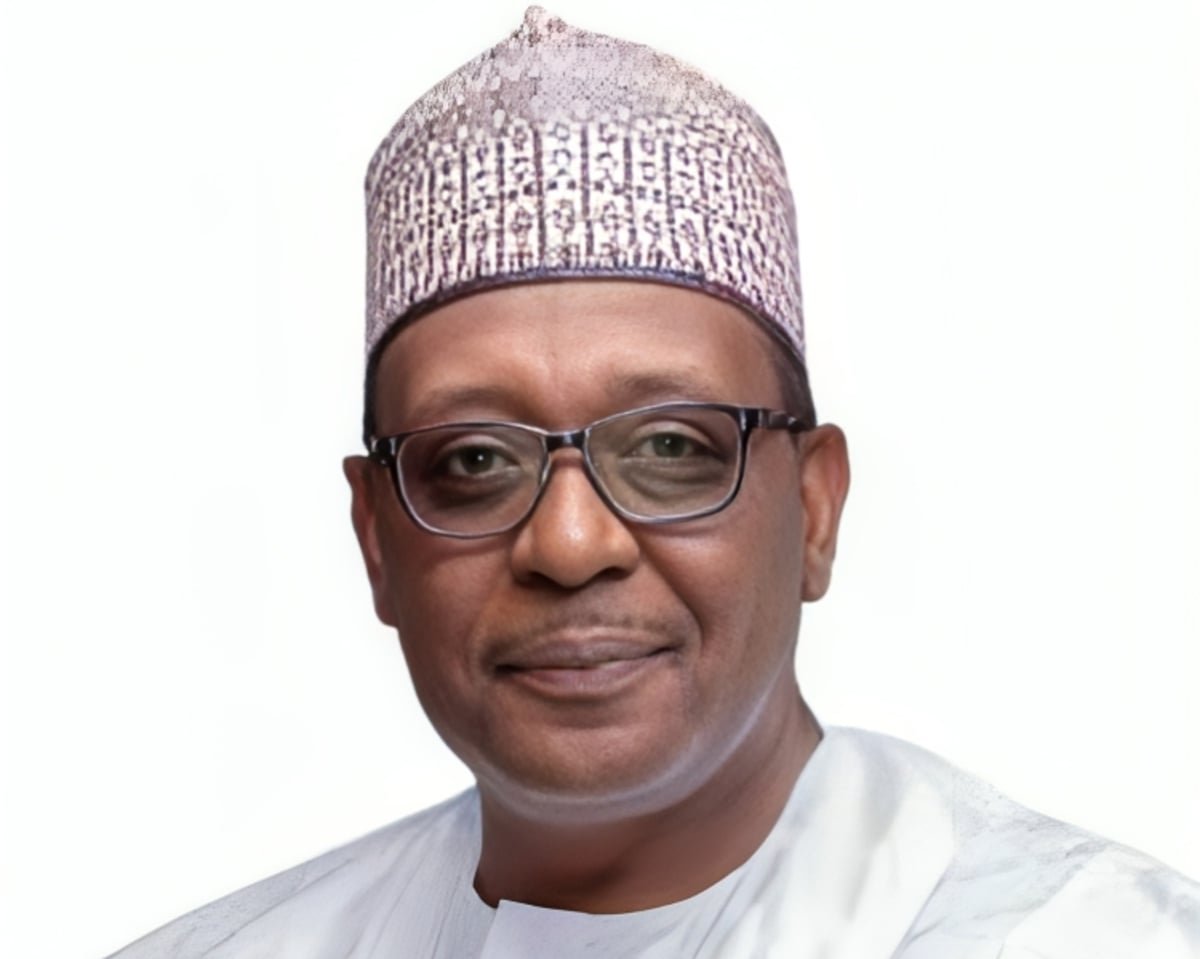
Representing the Coordinating Minister of Health and Social Welfare, Prof. Muhammad Ali Pate, the Permanent Secretary of the ministry, Mrs. Daju Kachollom, said the initiative signals Nigeria’s commitment to moving beyond lamenting the migration of health professionals by creating sustainable mechanisms to reconnect them with the country’s healthcare system.
“What we are doing today is not merely launching a programme or a portal; we are making a statement that Nigeria is ready to move beyond lamenting the departure of our health professionals and is now committed to building the structures that will bring their expertise back in a meaningful, coordinated and sustainable way,” she said.
ALSO READ: Sokoto govt reaffirms commitment to establish family health department
Kachollom noted that for decades, Nigeria has grappled with shortages of healthcare workers while many of its highly skilled professionals continue to excel in leading health institutions around the world.
“We have felt the tension with pride and pain, proud of their achievements but pained by their absence. Today, we begin to resolve that tension,” she added.
She explained that the NiDAH-P initiative was developed after years of policy work and extensive stakeholder consultations dating back to 2016.
According to her, the programme draws lessons from countries including the Philippines, India, Rwanda and Egypt, which have successfully institutionalised diaspora engagement in their health sectors.
The Permanent Secretary said the programme would also operationalise existing Memoranda of Understanding between the Federal Ministry of Health and Social Welfare and several diaspora professional bodies, including the Medical Association of Nigerians Across Great Britain (MANSAG), the Association of Nigerian Physicians in the Americas (ANPA), the Canadian Association of Nigerian Physicians and Dentists (CANPAD), Nigerian Medical Association Germany, National Association of Nigerian Nurses in North America (NANNNA), Nigerian Nurses Charitable Association UK and other diaspora organisations.
She disclosed that the NiDAH digital portal was developed with technical and financial support from the UK Foreign, Commonwealth and Development Office (FCDO) Lafiya Programme, the Clinton Health Access Initiative (CHAI), and the World Health Organization (WHO).
“The NiDA portal has been developed and tested. It is ready, and today we open it to the world,” she said.
Kachollom also acknowledged the contributions of NiDCOM under the leadership of Hon. Abike Dabiri-Erewa, the ministry’s Public-Private Partnership and Diaspora Unit, and development partners for supporting the initiative from conception to implementation.
Speaking on behalf of the Chairman/Chief Executive Officer of NiDCOM, Hon. Abike Dabiri-Erewa, the Commission Secretary, Engineer Yakubu Bassi, described NiDAH-P as a strategic intervention aimed at converting migration into national development.
“At NiDCOM, we are set up to strategically manage migration in such a way that we turn brain drain into brain gain and brain circulation. NiDAH-P is designed to achieve exactly that in the health sector,” he said.
Bassi disclosed that the programme had been under development for nearly a decade, involving successive ministers, permanent secretaries and numerous stakeholders before reaching implementation.
“For this programme to come to fruition today is history in the making. We salute everyone who worked tirelessly to ensure that it became a reality,” he said.
He also invited stakeholders to participate in the 2026 National Diaspora Week and the Nigerian National Diaspora Day celebration scheduled for July 24 and 25.
The Registrar and Chief Executive Officer of the Medical and Dental Council of Nigeria (MDCN), Prof. Fatima Kyari, said Nigerian-trained doctors have earned global respect through their competence, resilience and professionalism, adding that many have consistently expressed a desire to contribute to healthcare development back home.
“They want to give back, and we welcome that commitment,” she said.
Kyari explained that the council had developed mechanisms to support diaspora engagement while ensuring patient safety.
“Any doctor, whether Nigerian or foreign, who provides care to a Nigerian patient—whether physically, virtually or through digital platforms—must be registered with the Medical and Dental Council of Nigeria,” she said.
She added that the council had established global registration platforms and partnerships with diaspora associations to facilitate easier engagement by Nigerian professionals overseas.
According to her, the council is also collaborating with the Federal Ministries of Health and Education under the Strengthening Collaborations and Advancing Clinical Excellence (SCALE) initiative to deepen partnerships with institutions such as the Royal Colleges in the United Kingdom.
Chairman of the Committee of Chief Medical Directors and Medical Directors of Federal Tertiary Hospitals and Chief Medical Director of the Federal Medical Centre, Abuja, Prof. Saad Ahmed, said Nigerian tertiary hospitals have already benefited from collaborations with diaspora professionals.
He cited the successful development of the open-heart surgery programme at the Federal Medical Centre, Abuja, as evidence of what structured diaspora engagement could achieve.
“We started with a mission led entirely by Nigerians in the diaspora, and today we have established sustainable routine open-heart surgery in Federal Medical Centre, Abuja,” he said.
Ahmed said the programme has now grown to the point where the hospital supports other institutions by sharing expertise and equipment.
“This is a simple example of what this programme can do for many more centres across Nigeria,” he said.
He expressed optimism that the initial rollout across 19 federal tertiary institutions would deliver measurable results within a year.
“The Federal Tertiary Hospitals are solidly behind this programme, and we will continue to support its successful implementation,” he assured.
Delivering remarks on behalf of the WHO Country Representative, Dr. Walter Kazadi Mulombo, WHO official Mary Brentuo described the health workforce as the foundation of every healthcare system.
She said Nigeria, like many African countries, continues to face significant shortages of skilled health workers due largely to migration.
“No country can achieve universal health coverage or build resilient health systems without a sufficient, skilled, motivated and equitably distributed health workforce,” she said.
Brentuo noted that Nigerian health professionals continue to distinguish themselves globally in clinical practice, medical research, education, and health leadership.
“This programme provides an innovative mechanism to harness this tremendous reservoir of expertise and transform brain drain into brain circulation and brain gain,” she said.
She reaffirmed WHO’s commitment to supporting Nigeria in strengthening its health workforce and advancing universal health coverage through strategic partnerships such as NiDAH-P.If you’d like, I can also tighten this further into a more newspaper-style story by shortening the background and moving the strongest quotes higher up.
WATCH TOP VIDEOS FROM NIGERIAN TRIBUNE TV