

The West African College of Physicians (WACP) has called for comprehensive reforms of Nigeria’s healthcare system, warning that persistent underfunding, poor welfare for health workers, and the continued migration of medical professionals are undermining the country’s capacity to deliver quality healthcare.
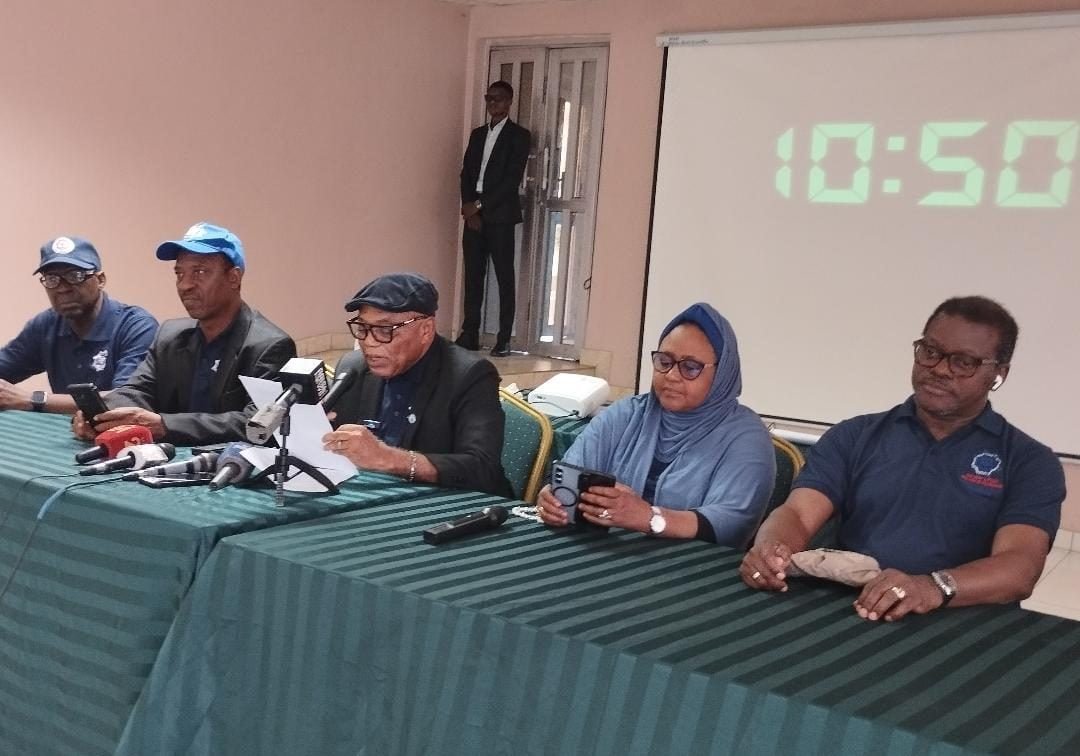
The National Chairman of the Nigerian Chapter of the WACP and Vice President of the College, Professor Benjamin S. C. Uzochukwu, made the call during a press conference to announce the College’s 50th Annual General and Scientific Conference (AGSC).
Uzochukwu addressed journalists alongside the National Secretary, Dr Somide Olukayode Malomo; National Treasurer, Dr Maria Mukhtar-Yola; immediate past chairman of the Nigerian Chapter, Professor J. K. A. Madaki; and Chairman of the local organising committee, Professor J. Olufemi Ogunbiyi.
The conference, themed “Building Bridges, Supporting Resilience and Partnership in Health,” is expected to bring together more than 400 fellows, members, and international collaborators to examine emerging challenges in healthcare delivery, specialist medical education, digital health and regional collaboration.
Speaking on the growing exodus of Nigerian health professionals, Uzochukwu said the solution lies not in restricting doctors from leaving the country but in creating a healthcare system that offers professionals compelling reasons to stay.
He stressed that strengthening the health system requires deliberate investment across all its pillars, including governance, financing, human resources, service delivery, health information systems, and the local production of medicines and vaccines.
He added that Nigeria must also prioritise local manufacturing of essential medicines and vaccines while embracing digital technologies to improve healthcare management and service delivery.
According to him, “We do not believe stopping doctors from travelling abroad is the appropriate response to brain drain. The real solution is to strengthen our health system by providing adequate remuneration, functional health facilities, quality working conditions and universal health coverage. Once these are in place, many healthcare professionals will choose to stay because they can practise effectively and build fulfilling careers here.
ALSO READ: Ultra-processed foods are addictive like tobacco, researchers warn
“If governance is weak, every other component of the health system suffers. Health financing remains inadequate. The agreed benchmark is 15 per cent of the national budget, yet we are still spending less than six per cent. It is impossible to build a resilient healthcare system with that level of investment.”
On the increasing adoption of artificial intelligence in healthcare, Uzochukwu described the technology as a valuable tool for diagnosis and clinical decision-making but cautioned against allowing it to replace the human qualities that are central to patient care.
He noted that while AI can enhance diagnosis and clinical efficiency, it cannot replicate empathy and compassion, qualities that remain indispensable in medical practice.
The WACP chairman also underscored the need to bridge the long-standing gap between health research and policymaking, arguing that research findings are more likely to influence policy when policymakers, communities and the media are engaged from the outset.
“We advocate co-design and co-production of research. When researchers work with policymakers, communities and the media from the beginning, the evidence generated is far more likely to influence policy and improve healthcare outcomes,” he said.
Reflecting on the significance of the conference, Uzochukwu described the event as more than an academic gathering, saying it symbolises five decades of regional collaboration in specialist medical education and healthcare delivery.
He disclosed that the college has produced about 4,654 fellows across its six specialist faculties since 2014, many of whom now serve as consultants, researchers, educators, health administrators, and policy leaders across Nigeria and the West African sub-region.
As part of activities marking the conference, the College will conduct a free community medical outreach targeting about 500 residents of the Kasumu-Adio community and neighbouring areas in Ibadan. The outreach will provide screening and treatment for malaria, hypertension, diabetes, peptic ulcer disease, refractive eye defects, dental conditions, and selected surgical conditions.
“Our vision is a future where every Nigerian and every West African has access to quality healthcare delivered by well-trained specialists working within resilient and responsive health systems. Achieving that requires shared responsibility, sustained investment, and genuine collaboration,” Uzochukwu said.
WATCH TOP VIDEOS FROM NIGERIAN TRIBUNE TV