

The United Nations Children’s Fund (UNICEF) has again called on governments at various levels in the country to improve their budgetary commitments and effective use of resources towards the development of children.
The global agency said every child, not only in Nigeria but also elsewhere globally, deserves to survive, thrive, and grow to become a responsible adult.
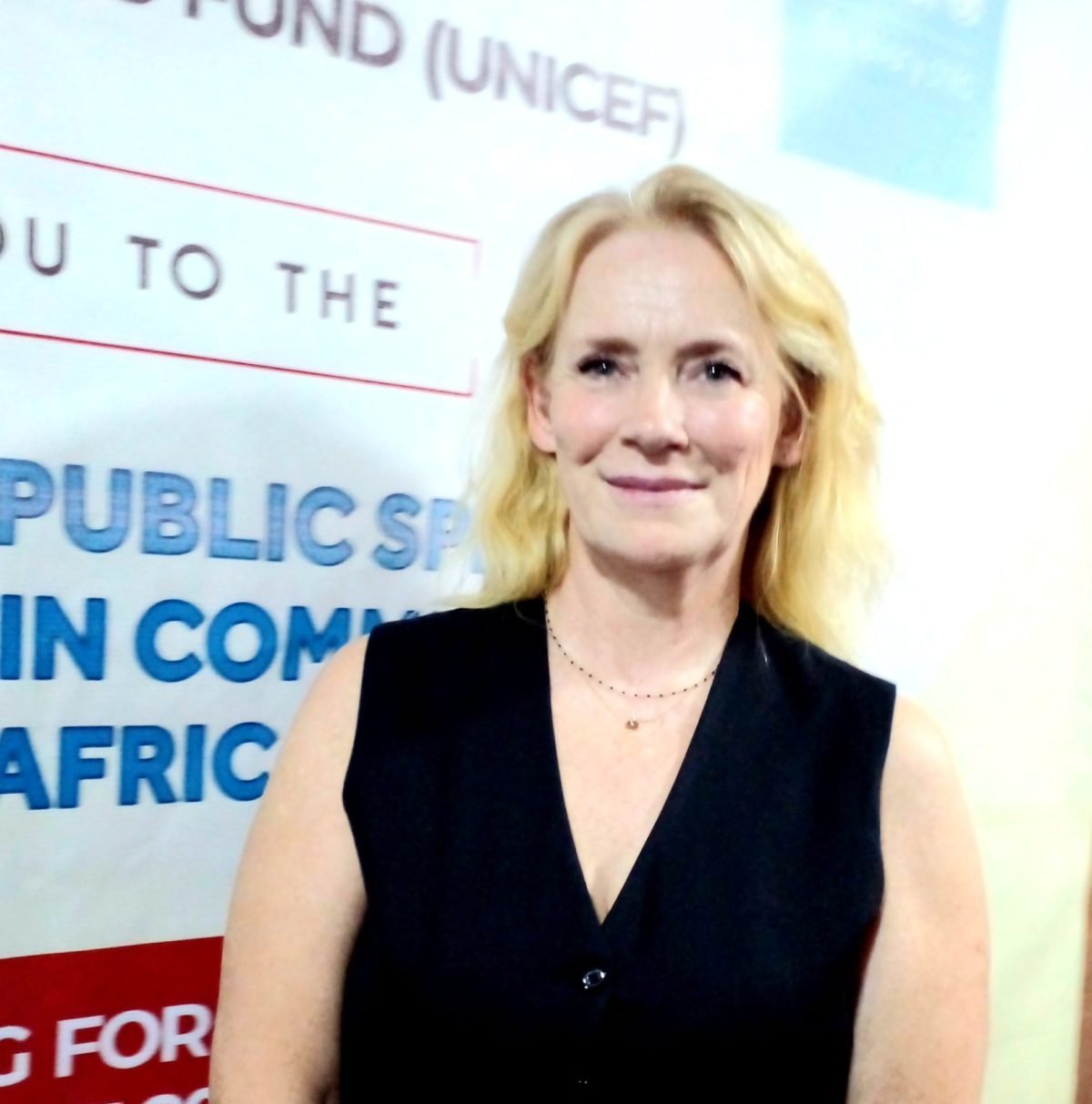
The chief of the UNICEF Field Office for Southwest Nigeria, Celine Lafoucriere, stated this on Monday in Lagos at a media dialogue to commemorate this year’s Day of the African Child.
The theme of the one-day event was ‘Planning and Spending for Children’s Rights: Progress Since 2010’. Many journalists from across print, broadcast and online media organisations were participants.
Lafoucriere stated that this year’s theme reflected the African Union’s agenda to assess government efforts in promoting and protecting child rights through inclusive policies and equitable budgets.
While emphasising the enduring relevance of every June 16 in Africa since the 1976 Soweto Uprising, the chief field officer urged participants to honour the legacy of those children by pushing for real change in the lives of today’s generation for the benefit of all.
She said, it has been almost 50 years now that the incident took place, but sad to know that Nigerian children are still asking, especially from the government, for the same better chance—access to basic services like clean water, quality education, good nutrition, quality healthcare, and protection.
She noted that these concerns are not just privileges but rights as enshrined in the UN Convention on the Rights of the Child, of which Nigeria is a signatory.
Lafoucriere, however, noted that although there had been increasing budget commitment over the years by governments from state to state, especially in southwest Nigeria, to child-focused issues, the actual spending on such issues remains grossly inadequate, poorly monitored, and also inefficiently utilised—a gap that the media must help to close.
According to her, the media, being a powerful instrument that influences society, has a lot to do with children’s rights and improving their health, education, nutrition, WASH (Water, Sanitation and Hygiene), and protection through consistent factual and accurate news and investigative reporting.
“So, I will call on you journalists to collaborate with UNICEF by amplifying child-focused issues, investigating budget implementation, and drawing attention to areas of underinvestment.
“You know you are not bystanders but critical stakeholders. You shape public thinking. You hold policymakers accountable. And together, we can follow the money, tell the children’s stories, and drive real action for the betterment of our collective future,” she stressed.
In his contribution at the event, the social policy specialist, UNICEF Lagos Office, Mr. Muhammad Okorie, also stressed the need for governments across tiers to invest responsibly in children as they are the future of the country.
According to him, there is a great need for a holistic, rights-based framework in child development, emphasising that the journey of investment in children must begin from the prenatal stage and continue through to adulthood.
Okorie stated that while every child is a rights-holder—entitled to quality health care, education, protection, and social inclusion—governments, parents, and communities are duty-bearers tasked with the responsibility of ensuring that children’s rights are promoted, protected, and fulfilled.
He maintained that these responsibilities are enshrined in the national law and international commitments, urging various state governments to formulate and implement policies and programmes that will best translate these rights into real services for children.
He highlighted that the highest economic returns on human capital come from investing in children during their earliest years, especially their first 1000 days, which could be termed the preschool period.
He noted that this window presents a critical opportunity for government and decision-makers to prioritise early interventions in such services as healthcare, education, nutrition, safety, water and sanitation for the children.
According to him, such intervention is not just a moral duty, but obligations through well ultilised financial commitment.
Okorie, therefore, also underscored the role of the media in this regard by holding government at all levels to be more alive and committed to the development of every child.
He said UNICEF is interested in every child irrespective of background and location and will not rest until their rights are promoted, protected, and fulfilled.
Also speaking, the representative of the Lagos State Government, Mr. Orojimi Olufemi Abiodun, who is the Director of Budget, Ministry of Economic Planning and Budget, explained that the state government takes the issues of children as one of its topmost priorities embedded in its THEMES Agenda.
According to him, each year, the Lagos State government increasingly channels a substantial part of its budget, especially on social services that address children’s concerns, including education, healthcare, nutrition, immunisation, sports, and other services.
He said the state government strongly believes that it is only when children are well-taken care of today that they can grow to become responsible adults and be beneficial to themselves and society.
ALSO READ TOP STORIES FROM NIGERIAN TRIBUNE