

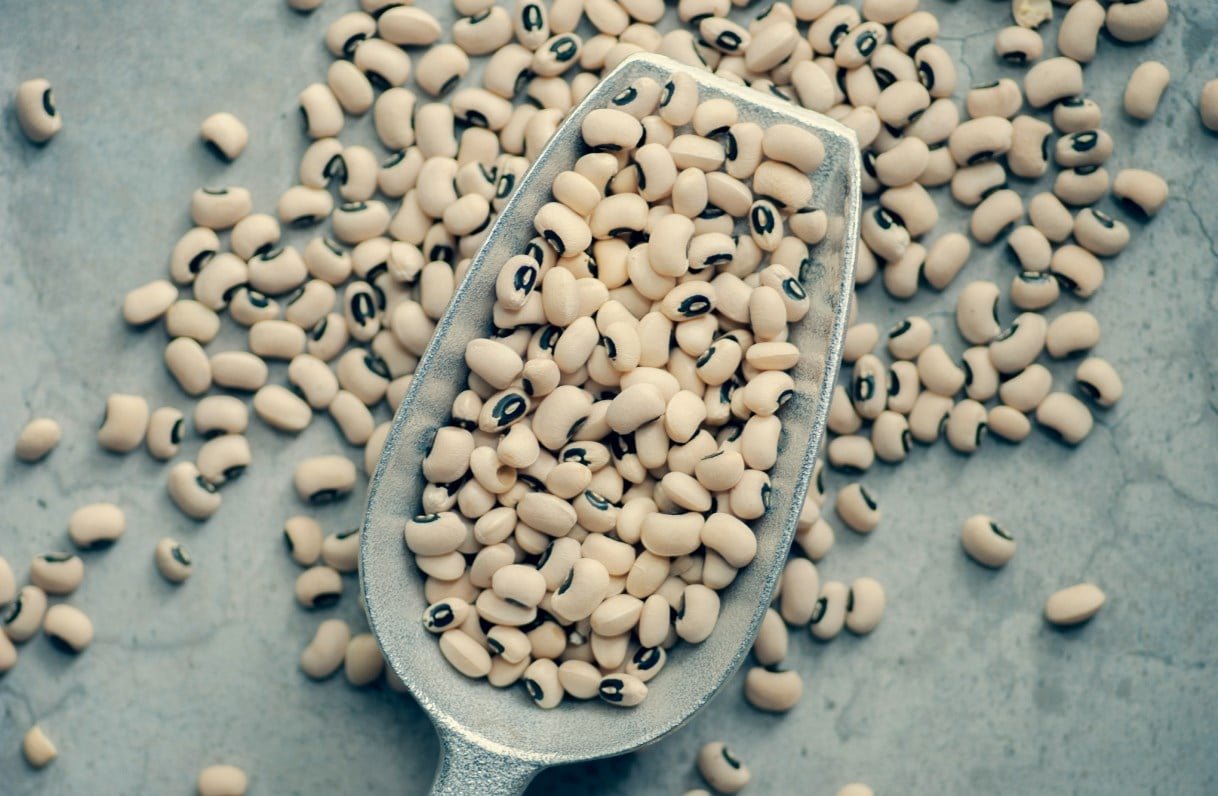
Regularly eating beans, lentils, chickpeas, tofu, and other soy foods may lower the risk of developing high blood pressure, according to a major review of international studies that adds to growing evidence supporting plant-based diets for heart health.
The analysis, published in BMJ Nutrition, Prevention & Health, found that people with the highest intake of legumes were 16% less likely to develop hypertension than those who consumed the least. Those with the highest soy intake had a 19% lower risk.
Researchers reviewed data from 12 long-term observational studies conducted across the United States, Europe, and Asia to examine whether greater consumption of legumes and soy was associated with lower rates of hypertension. While previous research has linked both food groups to improved cardiovascular health, the evidence on blood pressure has remained inconsistent.
ALSO READ: Court orders EFCC to produce estate agent following stalled trial over her absence
The review found that the greatest benefit from legumes was seen at an intake of about 170 grams a day—roughly a cup of cooked beans or lentils—which was associated with a 30% lower risk of high blood pressure.
For soy foods, including tofu, edamame, soy milk, and tempeh, the greatest benefit was observed at 60 to 80 grams daily, reducing the risk of hypertension by 28% to 29%. Consuming more than that did not appear to provide any additional protection.
The researchers said legumes and soy are rich in nutrients that naturally support healthy blood pressure, including potassium, magnesium, and dietary fibre. Their fibre also nourishes beneficial gut bacteria, producing compounds that help blood vessels relax, while soy contains isoflavones—plant compounds believed to further improve blood pressure regulation.
Although the findings do not prove that legumes and soy directly prevent hypertension, the researchers concluded that there is probable evidence that regularly consuming these plant-based foods reduces the risk.
With high blood pressure affecting more than one billion people worldwide, the researchers said increasing the intake of beans, lentils, chickpeas, and soy foods could be a simple, affordable way to support heart health.
They cautioned, however, that more large-scale, long-term studies are needed before firm dietary recommendations can be made. Even so, they argued that the current evidence already supports advice encouraging people to replace some animal protein with legumes and soy foods as part of a balanced, heart-healthy diet.
WATCH TOP VIDEOS FROM NIGERIAN TRIBUNE TV