

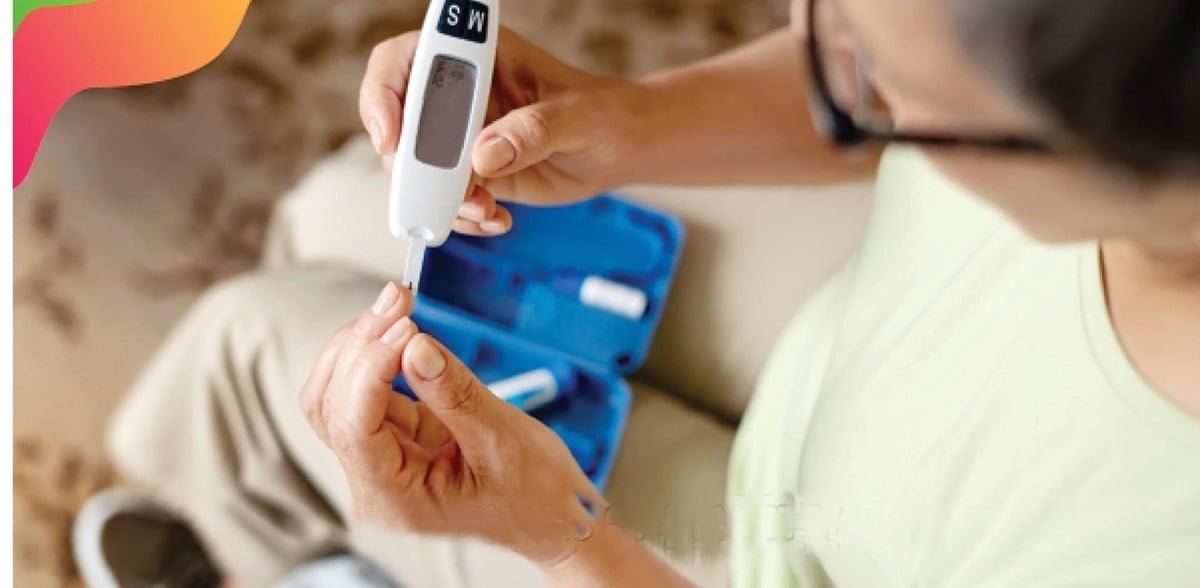
The Plateau State Government has expressed concern about the state’s growing diabetes burden, citing a total of 5,457 suspected new cases between January and September 2026.
The Commissioner for Health, Dr Nicholas Ba’amlong, revealed this on Monday during a press briefing in Jos to commemorate the 2026 World Diabetes Day, saying the figure followed 5,546 suspected cases in 2025.
Ba’amlong emphasised that “diabetes remains a major public health concern because many people are living with the condition without knowing their status,” clarifying that the numbers represented suspected cases rather than confirmed diagnoses.
He also revealed that the 2024 nationwide Know Your Number, Control Your Number screening campaign found that 14,359 people were screened in Plateau State, with 2,610, or approximately 18 per cent, having elevated blood glucose levels.
“The findings highlight the need to expand access to screening, diagnosis and treatment, but they do not represent the prevalence of diabetes in the state,” he said.
“As part of activities marking this year’s World Diabetes Day, the Ministry of Health, in collaboration with the Plateau State chapters of the Diabetes Association of Nigeria and the Endocrine and Metabolic Society of Nigeria, conducted a free workplace screening exercise at the Joseph Gomwalk Secretariat Complex, Jos,” he said.
“The exercise targeted 1,000 civil servants and provided blood glucose and blood pressure checks, weight and body mass index assessments, health education, counselling and referrals for further medical attention where necessary.”
Ba’amlong commented on the government’s intervention, saying, “The state government, under Governor Caleb Mutfwang, is working to extend diabetes education and screening services to underserved communities across the 17 local government areas through existing primary healthcare facilities and community outreach programs.
“We are also exploring partnerships and appropriate medical technologies to improve access to diagnostic services, particularly at the primary healthcare level, while strengthening follow-up and referral systems for individuals with elevated blood glucose levels.
“Screening is only the beginning. Early detection must lead to appropriate diagnosis and treatment.”
The commissioner urged residents, particularly those with a family history of diabetes, excess weight or high blood pressure, to regularly check their blood glucose levels and seek medical attention when necessary.
He advised residents to maintain healthy lifestyles through balanced diets, regular physical activity and weight management, while avoiding tobacco and limiting alcohol consumption.
Ba’amlong identified excessive thirst, frequent urination, unexplained weight loss and persistent fatigue as some of the symptoms that could indicate diabetes.
He urged people living with the condition to adhere to prescribed treatment and attend regular medical reviews to prevent complications.
WATCH TOP VIDEOS FROM NIGERIAN TRIBUNE TV