

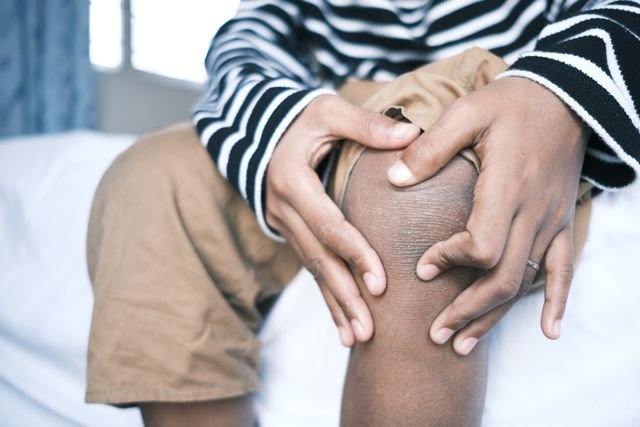
The knee replacement operation gets all the attention. Friends ask about the surgeon, the hospital, the implant, how long you were under. Almost nobody asks about week seven, when the swelling has settled, the physio appointments are thinning out, and you’re standing at the bottom of a flight of stairs wondering whether your knee is genuinely ready or whether you’re about to find out the hard way.
That gap between a technically successful knee replacement operation and a life that feels normal again is where most of the real work happens. A new joint restores the hardware. Rebuilding strength, mobility and the nerve to trust the leg again is a slower project, and it’s largely yours to manage.
Range Of Movement Comes First, Strength Can Wait
In the early weeks, the priority isn’t building muscle. It’s stopping the knee from stiffening into a position you’ll spend months trying to undo. Scar tissue forms quickly, and a joint that settles into a slightly bent resting position becomes noticeably harder to straighten later on.
This is why physiotherapists are so insistent about unglamorous, repetitive drills: heel slides, seated knee bends, pressing the back of the knee flat against the bed. None of it feels like exercise. All of it is buying you the range you’ll need when the strength work begins.
Understanding what was actually done inside your knee makes these instructions easier to follow. A partial replacement, a total replacement and a revision procedure each come with different timelines and different limits, and the pre-operative condition of the joint shapes recovery as much as the surgery itself. Detailed clinical explainers on knee replacement surgery set out how these variables influence the recovery schedule, which can help you interpret your own physiotherapy plan rather than following it blindly. Your surgical team’s specific guidance always takes precedence over anything you read.
Confidence Recovers More Slowly Than The Joint
There’s a well-documented pattern in orthopaedic rehabilitation where patients hold back from movement they’re physically capable of, because it once hurt or because they’re afraid of damaging the implant. Researchers describe this as movement-related fear, and it’s one of the better predictors of how well someone functions a year after surgery.
It shows up in small ways. Leading with the same leg on every step. Gripping the bannister long after you need it. Steering clear of uneven ground, wet pavements, crowded pubs. Each avoidance is reasonable on its own, and collectively they keep the leg underloaded and the fear intact.
The way through is graded exposure rather than a leap of faith. If stairs worry you, practise them at home with a rail, one step at a time, then alternating feet, then without the rail. If crowds worry you, walk somewhere busy at a quiet hour first. Confidence tends to follow demonstrated competence, not the other way around.
Train The Whole Leg, Not Just The Knee
Most people arrive at knee replacement surgery having limped for years. That limp reshaped the muscles well beyond the knee. The glutes on the affected side weaken, the calf loses capacity, and the other leg quietly takes on far more than its share. Replacing the joint doesn’t reverse any of that.
Useful rehabilitation therefore looks broader than knee extensions. Sit-to-stand repetitions from a dining chair build the pattern you use dozens of times a day. Glute bridges and side-lying leg raises address the hip stability that keeps the knee tracking properly under load. Calf raises at the kitchen counter restore the push-off that makes walking feel effortless rather than effortful.
Progress by making things gradually harder rather than simply longer: a lower chair, more repetitions, a slower lowering phase, eventually a light weight. Soreness that settles within a day is usually a sign of appropriate loading. Swelling and pain that persist into the next session mean you moved too fast.
Eat Like Someone Repairing Tissue
Appetite often drops after knee replacement surgery, and older adults are already at risk of eating too little protein. That’s an unhelpful combination when you’re trying to rebuild muscle you lost during months of reduced activity.
Spreading protein across the day tends to work better than a single large evening meal: eggs or Greek yoghurt at breakfast, then fish, beans, chicken or tofu at lunch and dinner. Vitamin D status is worth discussing with your GP, particularly through a British winter, and staying properly hydrated makes the physiotherapy sessions considerably less miserable.
This is also a period when supplement marketing finds you. Collagen powders, turmeric blends and joint formulas are heavily promoted to exactly this audience. Evidence for meaningful benefit after joint replacement is limited, and some products interact with blood thinners commonly prescribed after surgery. Anything you’re considering is worth running past your pharmacist or surgical team first.
Rebuild Towards Something You Actually Want To Do
Abstract goals, whether that’s “get stronger” or “walk better”, rarely sustain anyone through months of rehabilitation. Specific ones do. Getting round the garden centre without sitting down. Managing the coastal path you gave up on. Kneeling to play with a grandchild, which many people find remains uncomfortable even when everything else has recovered well.
Naming the target changes the training. Someone aiming for hill walking should be doing step-ups and downhill practice on gentle slopes, not just flat laps of the park. Someone who wants to return to cycling can start with a stationary bike at minimal resistance, using it as much for range of movement as for fitness. Swimming and water-based exercise suit many people once wounds have fully healed, because the water takes the load while you rebuild the pattern.
Know What Warrants A Phone Call
Recovery is rarely linear, and a bad week doesn’t mean something has gone wrong. Some signs do deserve prompt attention, though: increasing rather than decreasing pain, new redness or heat around the joint, fever, a wound that starts discharging, calf pain or swelling, or a sudden loss of movement you previously had. Contact your surgical team rather than waiting for the next scheduled appointment.
Equally, persistent stiffness that isn’t improving is worth raising early, when there are still options for addressing it.
The Long View
Most people are still improving at twelve months, and many notice gains beyond that. The knee that felt foreign in month two becomes unremarkable, which is, in the end, the point. You stop thinking about it.
Getting there asks for consistency rather than intensity: the daily exercises done properly, the strength work progressed sensibly, the fear tested in small doses rather than avoided indefinitely. It’s an unglamorous few months. It’s also the part that determines what the next decade of walking, travelling and moving through your own life actually looks like.