

Eritrea has become the 11th country in the World Health Organisation’s (WHO) African Region to eliminate trachoma as a public health problem, following nearly two decades of efforts to combat the blinding eye disease.
The achievement makes Eritrea the 34th country globally to reach the milestone, marking progress against one of the world’s leading infectious causes of blindness.
WHO Director-General, Dr Tedros Adhanom Ghebreyesus, congratulated the Eritrean government and people, describing the development as evidence of what sustained national commitment can achieve.
ALSO READ: Plateau records 5,457 suspected diabetes cases in nine months
“After two decades of determined effort, Eritrea has consigned trachoma as a public health problem to history,” he said.
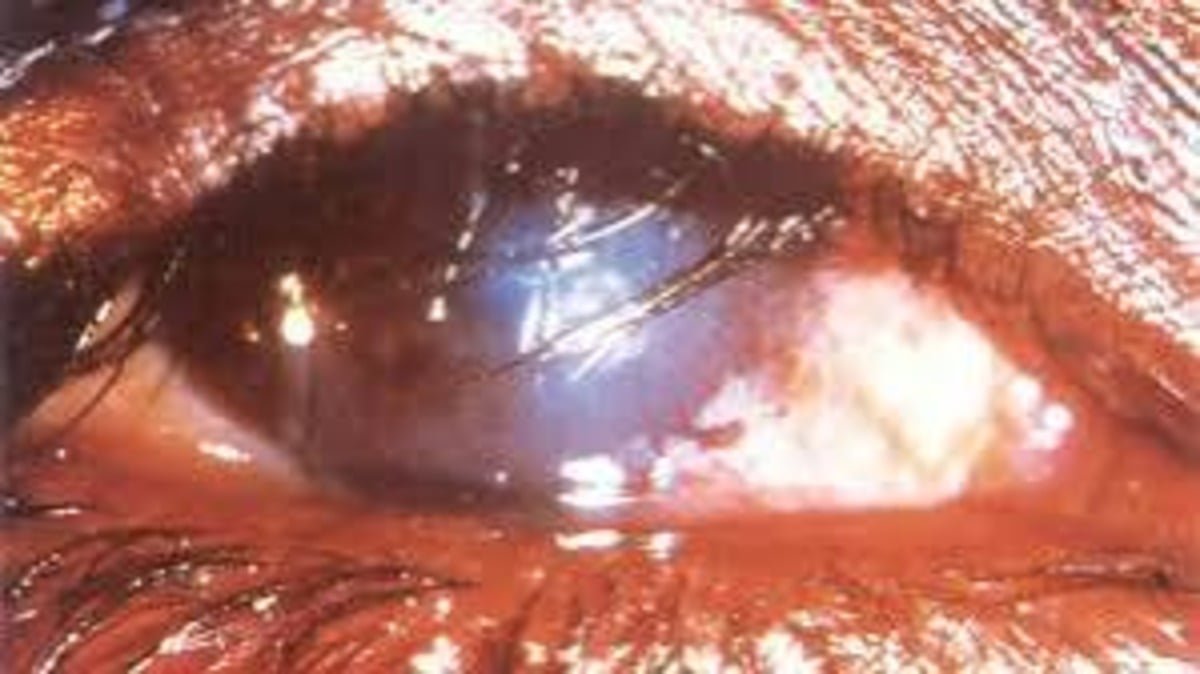
Trachoma is an infectious eye disease caused by the bacterium Chlamydia trachomatis. It spreads through contact with infected eye and nasal discharge and is associated with poor sanitation and limited access to clean water and healthcare.
Repeated infections can cause scarring of the inner eyelid, forcing the eyelashes to turn inward and scratch the eyeball. This condition, known as trichiasis, can eventually result in blindness.
Eritrea began baseline surveys in 2006 and progressively introduced WHO’s SAFE strategy in affected communities. The approach combines surgery for advanced cases, antibiotics, facial cleanliness, and environmental improvements, particularly better access to water and sanitation.
The country also used community-led sanitation initiatives and digital tools to identify affected populations and target interventions across all 58 sub-zobas, its second-level administrative divisions.
Antibiotic treatment relied largely on oral azithromycin donated by Pfizer through the International Trachoma Initiative.
WHO Regional Director for Africa, Dr Mohamed Janabi, said the achievement demonstrated the importance of political commitment, community participation, and strong partnerships in tackling neglected tropical diseases.
WHO Representative to Eritrea, Dr Mary Stephen, attributed the success to collaboration between the government, communities, health workers, the Fred Hollows Foundation, and development partners.
Eritrea has established systems to identify and manage new cases of trachomatous trichiasis and will continue surveillance to sustain its progress.
Despite global progress, trachoma remains a public health problem in at least part of 29 countries.
WHO estimates that about 92 million people were living in trachoma-endemic areas as of March 2026.
The global population requiring interventions against the disease fell from 1.5 billion in 2002 to fewer than 100 million by November 2025, a reduction of about 94 per cent.
In 2025, 98,829 people underwent surgery for advanced trachoma, while 47.4 million received antibiotics.
Trachoma is among the 21 diseases covered by WHO’s Neglected Tropical Diseases Road Map 2021–2030, which seeks to accelerate the prevention, control, and elimination of neglected tropical diseases.
With the latest validation, Eritrea has also become the 66th country globally and the 23rd in WHO’s African Region to eliminate at least one neglected tropical disease.
WHO validates elimination claims after an independent review of national evidence confirms that required disease thresholds have been met and systems are in place to detect and manage future cases.
WATCH TOP VIDEOS FROM NIGERIAN TRIBUNE TV