

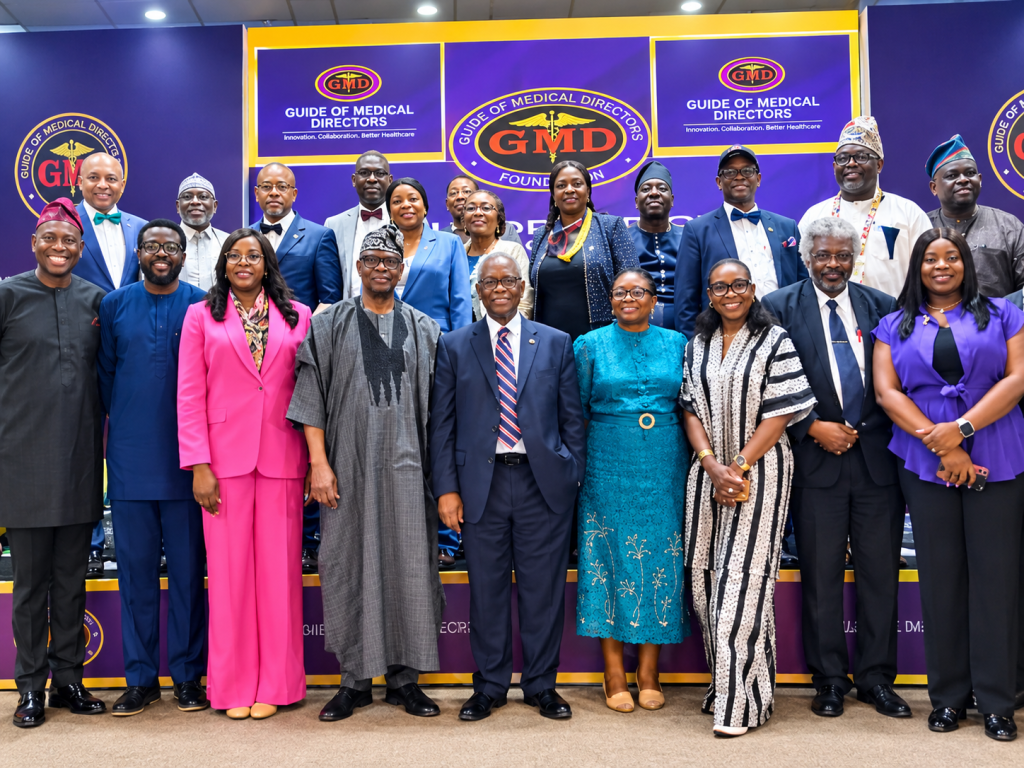
The Guild of Medical Directors (GMD), Lagos State branch, has called on private hospitals and healthcare facilities to strengthen their preparedness and response mechanisms for emerging and re-emerging diseases.
The Guild said the call had become necessary given the increasing threat of infectious diseases and the vulnerability of densely populated cities such as Lagos to rapid disease transmission.
Chairman of the GMD, Lagos State branch, Dr Omoniyi Fagbemi, made the call at the Guild’s 2026 Scientific Conference, Annual General Meeting and Founder’s Dinner/Awards held at the Oriental Hotel, Victoria Island, Lagos.
Fagbemi said the theme of the conference, which focused on emergency preparedness for emerging and re-emerging diseases, was particularly relevant to the Nigerian healthcare system.
ALSO READ: Non-communicable diseases draining pockets of Nigerians — Senate
He said the GMD comprised owners of hospitals, clinics, diagnostic centres and other medical facilities established by medical practitioners, adding that members were committed to providing quality healthcare while ensuring the sustainability of private medical practice.
According to him, members are encouraged to develop their facilities to international standards and provide Nigerians with quality healthcare at affordable costs.
“Our goal is to ensure that private practice in Lagos and Nigeria is both clinically standard and sustainably profitable. To that end, we have resolved that all members must be enrolled in a quality improvement programme,” he said.
Fagbemi recalled the 2014 Ebola outbreak in West Africa, noting that the proximity of disease outbreaks in other African countries remained a concern for Nigeria.
He also paid tribute to the late Dr Ameyo Stella Adadevoh for her role in containing the spread of Ebola in Nigeria during the 2014 outbreak.
Speaking on emerging and re-emerging infections, an infectious disease specialist at the Lagos State University Teaching Hospital (LASUTH), Dr Adefolarin Opawuye, explained that emerging diseases were those that were newly identified or had spread beyond their previous geographical or epidemiological boundaries.
He cited COVID-19 as a major recent example of an emerging disease, while describing the 2014 Ebola outbreak in West Africa as an emerging threat that affected Nigeria.
Opawuye said re-emerging infections referred to diseases that had previously declined or disappeared from a population but subsequently returned.
He identified Lagos’ high population density as one of the factors that could facilitate the rapid spread of infectious diseases.
“Lagos is one of the densely populated cities in the world and because of that, it is very easy to spread diseases,” he said.
The infectious disease specialist also stressed the importance of strengthening the capacity of private healthcare providers, noting that many Nigerians first seek treatment at private facilities before proceeding to teaching or general hospitals.
“Most people in the country always come to the private sector first before visiting the teaching hospital or general hospitals, and that is a problem,” he said.
He therefore urged private practitioners to recognise their responsibilities in disease surveillance, early identification and appropriate management of suspected infectious diseases.
“We are in the private sector and must be able to have the duty of care,” Opawuye added.
Fagbemi, meanwhile, said the sustainability of medical practice required more than simply expanding facilities, stressing the need for sound clinical standards and effective management.
“For us to have true satisfaction in our various practices, the business of medicine must not only be stable and grow; growth is not enough, it must be sustained,” he said.
The high point of the event was the presentation of awards to distinguished medical practitioners in recognition of their contributions to healthcare and medical practice.
WATCH TOP VIDEOS FROM NIGERIAN TRIBUNE TV