

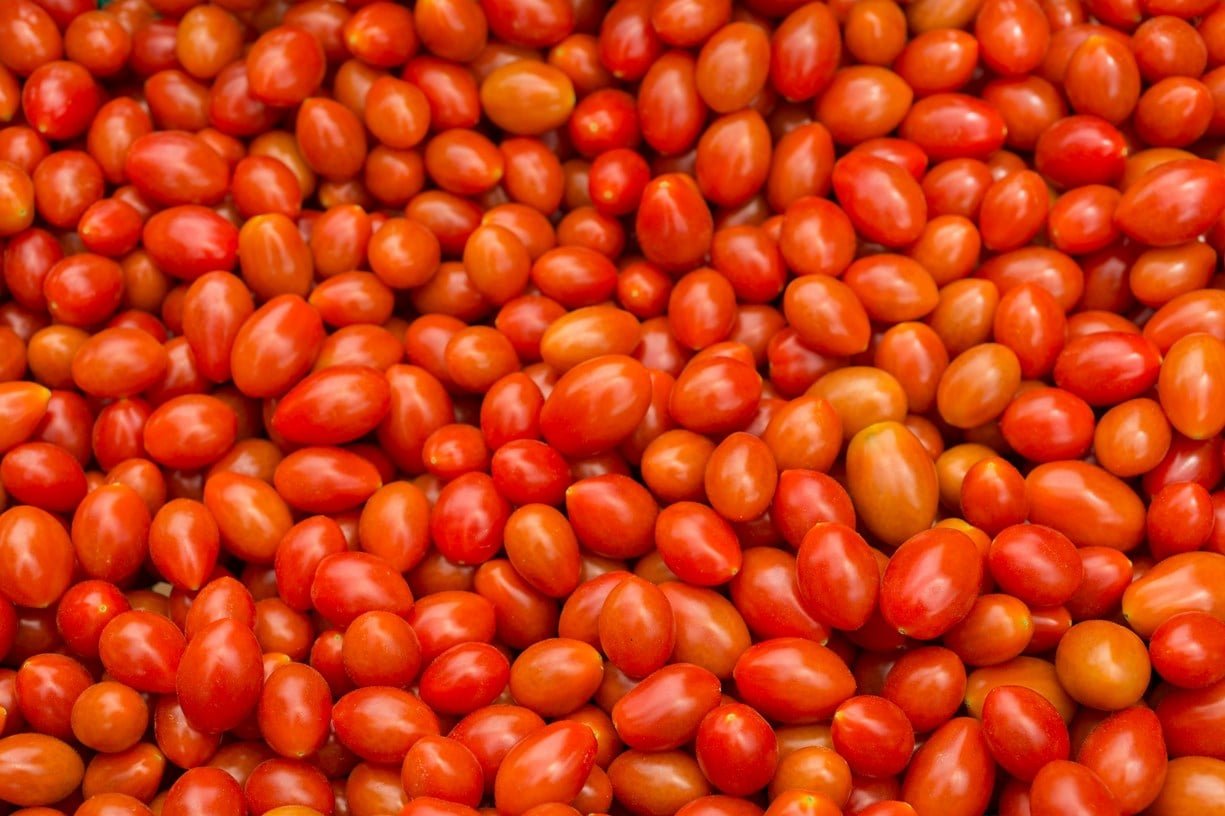
Eating tomatoes every day may help reduce the amount of fat stored in the liver among people with metabolic dysfunction-associated steatotic liver disease (MASLD), according to a small exploratory study.
Researchers found that adults with MASLD who ate raw tomatoes and tomato sauce daily for six weeks experienced a greater reduction in liver fat than those who followed a tomato-free diet.
MASLD is a common liver condition in which excess fat accumulates in the liver in association with metabolic risk factors such as obesity, high blood pressure, abnormal blood sugar levels or other signs of metabolic dysfunction. The condition can range from relatively mild fatty liver to more serious disease involving inflammation, scarring and, in some cases, cirrhosis.
The study, published in Nutrients, involved 79 adults with MASLD. Participants were divided into two groups. One followed a diet that excluded tomatoes, while the other consumed 200 grammes of raw tomatoes and 50 grammes of tomato sauce each day for six weeks.
Researchers assessed a range of health measures, including liver fat, liver stiffness, body composition and blood markers.
They found that liver fat decreased in both groups during the study, but the reduction was greater among those who consumed tomatoes and tomato sauce.
The researchers suggested that tomato consumption may reduce the accumulation of fat in the liver without requiring major changes in body weight or abdominal fat.
However, the study did not find significant differences between the groups in several other measures of liver and metabolic health, including liver stiffness, liver enzymes, blood lipids and body mass index.
ALSO READ: We must move beyond meetings, reports to real results — NADDC
Tomatoes contain compounds including lycopene and carotenoids, which have antioxidant and anti-inflammatory properties. These substances could potentially play a role in liver health.
However, the study did not measure blood levels of lycopene or carotenoids, so researchers cannot determine whether these compounds were responsible for the observed change. It is also difficult to establish whether raw tomatoes, tomato sauce or the combination of both produced the effect.
Experts said the results were encouraging but should be interpreted cautiously, as the trial lasted only six weeks and involved a relatively small, highly selected group of participants. People older than 65 were excluded, as were those with a body mass index above 30, while most participants were men.
Randa Abdelmasih, an endocrinologist and obesity specialist at the University of Texas Medical Branch who was not involved in the study, said the research demonstrated a modest reduction in liver fat over a short period but involved a population that may differ considerably from patients commonly seen in clinical practice.
Jonathan Jennings, an internist at Medical Offices of Manhattan who was also not involved in the study, pointed out that participants qualified for the study based on having at least one cardiometabolic risk factor, even though different risk factors may not carry the same level of risk for MASLD.
Abdelmasih noted that although the study found an improvement in liver fat, there were no significant changes in liver stiffness, fibrosis scores, liver enzymes, insulin resistance, inflammatory markers, lipid profiles or body composition.
As a result, she said, the findings cannot establish that tomato consumption changes disease progression or improves clinically important outcomes.
The researchers, however, described their findings as exploratory and hypothesis-generating and called for larger and longer-term studies to determine whether tomatoes have a lasting effect on liver fat and, more importantly, whether that reduction translates into better clinical outcomes.
WATCH TOP VIDEOS FROM NIGERIAN TRIBUNE TV