

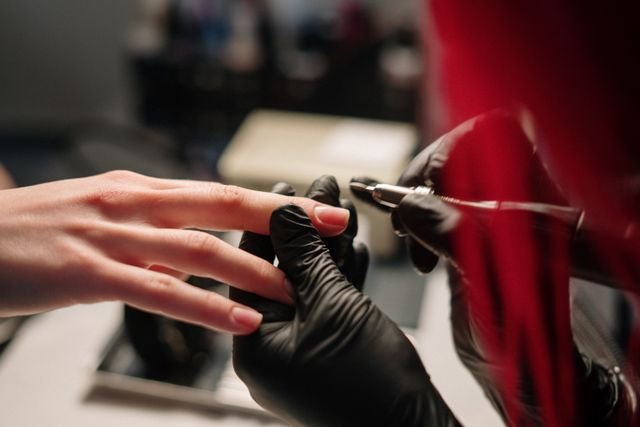
A fresh gel manicure looks gorgeous, but have you ever wondered what happens to all that dust when your nails are filed? Those tiny particles floating around the manicure table might seem harmless. Unfortunately, nail dust may pose more risks than you think.
Gel manicures often involve filing, buffing, and removing layers of hardened product. These steps release fine particles that can linger in the air, settle on nearby surfaces, or enter your breathing zone.
So, is gel nail dust actually toxic? The answer depends on what you’re exposed to, how often exposure occurs, and the precautions you take.
Understanding the potential risks can help you enjoy beautiful nails without overlooking your health.
What Exactly Is Gel Nail Dust?
Gel nail dust consists of tiny particles released when technicians file, shape, or remove cured gel products. Unlike ordinary household dust, these particles may contain ingredients from nail coatings and enhancement materials.
The dust’s composition depends on the products being used. Common components include:
- Cured Gel Particles: Small fragments of hardened nail coatings created during filing.
- Acrylic-Based Polymers: Materials found in many nail enhancement products.
- Natural Nail Particles: Keratin fragments released when filing the nail plate.
- Residual Product Ingredients: Traces of other substances that may be present in particular formulations.
Electric nail files can generate considerable airborne dust, especially when removing thick layers of product.
Although larger particles settle quickly, finer particles may remain suspended in the air and travel beyond the manicure table. The distinction matters because something doesn’t need to be visible to reach your nose, throat, or lungs.
Is Gel Nail Dust Toxic Or Dangerous?
Calling all gel nail dust toxic would be misleading. However, treating it as completely harmless is also inaccurate. The main concern is repeated exposure to airborne particles and potentially irritating substances.
Respiratory Irritation
Breathing in filing dust may irritate your nose, throat, and airways. Some people cough, sneeze, or feel discomfort, especially when working in poorly ventilated spaces. Salon technicians face greater potential exposure because they may perform numerous manicures throughout the day.
Skin Sensitivity and Allergies
Certain nail product ingredients, particularly uncured acrylates and methacrylates, can cause allergic contact dermatitis. Properly cured gels generally contain less unreacted material, but incomplete curing may leave residual ingredients. Filing contaminated or inadequately cured products can increase exposure risks. Watch for symptoms such as redness, itching, swelling, or persistent irritation around the fingertips.
Eye Irritation
Airborne particles can also enter the eyes, causing temporary discomfort, watering, or redness. For technicians who spend hours filing nails, protective measures deserve the same attention as beautiful application techniques.
Why Dust Collection Matters During Gel Manicures
One practical way to reduce exposure is to capture filing dust before it spreads around the workstation.
A nail dust collector draws particles toward an intake near the filing area, helping limit how much escapes into the surrounding air. This is particularly useful during gel removal, when filing can produce a noticeable cloud of powder.
If you’re setting up or upgrading your manicure station, you can explore the ULKA nail dust collectors at F.O.X Nails online to find options suited to your workspace. When comparing equipment, consider its filtration system, suction performance, noise level, and maintenance requirements.
Keep in mind that even a good dust collector works best as part of a broader approach to salon safety, rather than as a replacement for proper ventilation.
How Salon Technicians Can Reduce Nail Dust Exposure
If you work with gel nails professionally, manage dust as part of your everyday routine. A few practical habits can help reduce unnecessary exposure throughout the workday.
Here are several precautions to follow:
- Use Local Dust Extraction: Place a suitable collector beneath or near the area being filed.
- Maintain Good Ventilation: Provide fresh air and suitable exhaust ventilation instead of relying solely on fans that circulate dust.
- Choose Appropriate Respiratory Protection: Use properly fitted respiratory protection when your workplace’s exposure assessment indicates it. Ordinary surgical masks aren’t designed to reliably protect against fine airborne particles.
- Clean Surfaces Carefully: Use a damp wipe or a suitable vacuum instead of dry brushing, which can send dust into the air.
- Maintain Equipment: Replace or clean collector filters as recommended by the manufacturer.
- Protect Your Skin: Avoid unnecessary contact with uncured gel and follow product instructions carefully.
Healthy salon habits benefit technicians and clients alike.
What About People Doing Gel Nails At Home?
Home manicures usually involve less frequent filing than professional salon work, but that doesn’t mean you can skip precautions.
A common mistake is removing gel polish in a bedroom or shared living space without considering where the dust will settle. If you regularly do your own nails, set up a dedicated manicure area with good ventilation and an easy-to-clean surface.
Avoid filing directly beside food, bedding, or personal belongings. Whenever possible, use the product’s recommended removal method instead of aggressively filing away every layer.
Most importantly, never file deeply into your natural nail to remove stubborn gel. Excessive filing can thin the nail plate and cause discomfort.
If you’re experiencing ongoing skin irritation or breathing symptoms after manicures, stop the suspected exposure and seek advice from a qualified healthcare professional.
Common Nail Dust Myths Worth Questioning
Misunderstandings about gel nail dust can lead to unnecessary worry or careless habits.
One common myth is that dust from cured gel is completely safe because the product has already hardened. Curing changes the material, but it doesn’t eliminate the possibility of particle-related irritation.
Another misconception is that opening a window automatically solves the problem. Fresh air helps, but airflow alone may not capture dust at its source.
Finally, a clean-looking manicure station isn’t necessarily free from airborne particles. These details show why thoughtful dust control matters more than keeping your worktop spotless.
Final Thoughts
Gel nail dust isn’t something manicure lovers need to panic about, but it’s certainly worth taking seriously. Repeated exposure to filing particles may irritate the respiratory system, skin, and eyes, particularly in professional environments.
Good ventilation, suitable dust collection, careful filing, and regular workstation cleaning can help reduce unnecessary exposure.
For occasional home users, choosing a suitable workspace and following product removal instructions are sensible starting points. For salon technicians, consistent protective habits are part of responsible professional nail care.
Beautiful gel nails shouldn’t come at the expense of comfort or health. With better awareness and sensible precautions, you can make your manicure routine safer while continuing to enjoy the results you love.