

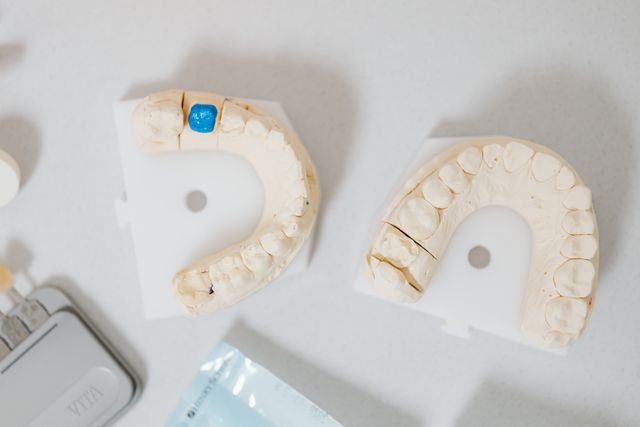
A cracked or weakened tooth can make everyday activities, including eating, uncomfortable. Sometimes, a filling simply cannot provide enough protection. A dental crown offers another way to restore a damaged tooth, although choosing the right one involves more than picking a material. If you are looking to get dental crowns in Melbourne, it helps to understand how different options perform and what your tooth needs. Appearance, chewing pressure and the amount of healthy tooth remaining all influence the recommendation. Knowing what to ask can make the decision easier.
Know The Condition And Position Of Your Tooth
Before comparing materials, establish why the tooth needs a crown. Extensive decay, a deep fracture or a large existing filling can leave too little healthy structure for another conventional filling. Teeth that have undergone root canal treatment may also benefit from crowns, depending on their condition.
Location changes the priorities. A front tooth needs to blend naturally with its neighbours, while molars must withstand considerable chewing pressure. The same crown material will not necessarily suit both situations. Your bite adds another consideration. Grinding or clenching can place considerable stress on restorations, increasing the risk of damage.
And a crown isn’t always necessary. If enough healthy tooth remains, an inlay, onlay or filling might provide adequate protection with less preparation. Ask your dentist whether these alternatives are suitable before committing to a full crown.
Compare Ceramic And Porcelain Crown Options
Ceramic crowns appeal to patients who want a natural-looking restoration. Their colour can be matched to surrounding teeth, while certain ceramics reproduce the translucency seen in natural enamel.
There are differences worth understanding. Some porcelain-based ceramics offer excellent aesthetics but may be less suitable for teeth exposed to substantial biting forces. Zirconia, another ceramic material, is known for its strength and is frequently considered for back teeth.
However, zirconia crowns aren’t all identical. Their appearance and mechanical properties vary according to the formulation and manufacturing process. Ask which ceramic your dentist recommends and why. The answer should account for appearance, tooth preparation and the pressure the restoration will experience during normal use.
When Metal Or Porcelain-Fused Crowns May Be Suitable
Metal crowns remain a practical option in certain situations. Gold alloys, for example, have a long history in dentistry and offer good durability and wear characteristics. Their obvious limitation is appearance. A metallic crown may be acceptable on a less visible molar but undesirable on a front tooth.
Porcelain-fused-to-metal crowns provide another possibility. They combine a metal framework with a tooth-coloured porcelain exterior, offering strength and a more natural appearance. However, the porcelain can chip, and gum recession may eventually expose the underlying metal.
These materials still deserve consideration, depending on your bite, tooth position and clinical requirements.
Look Beyond The Initial Dental Crown Price
Cost deserves attention, but the cheapest restoration isn’t necessarily the best choice. Fees depend on several factors, including the material, laboratory work and complexity of treatment. Request a written estimate covering preparation, temporary crowns and follow-up appointments where applicable.
Consider longevity as well. Crowns can last many years with appropriate care, although none is guaranteed to remain intact indefinitely. Grinding, poor oral hygiene and recurrent decay can shorten their useful life.
If appearance concerns you, discuss shade matching. For heavily loaded teeth, ask about fracture resistance and expected performance. These considerations can help you weigh the cost against the restoration’s suitability.
Know What Happens During The Dental Crown Fitting Process
Conventional crown treatment usually requires two appointments. During the first, the dentist prepares the tooth, records its shape using an impression or digital scan, and may fit a temporary crown. The permanent restoration is then manufactured before being checked and cemented at a subsequent visit.
Some clinics offer same-day crowns using digital scanning and on-site milling equipment. This can be convenient, although suitability depends on the tooth and available materials.
Before treatment, ask about preparation, temporary care and recovery. Mild sensitivity may occur afterwards, but persistent discomfort, looseness or an uneven bite warrants a dental review.
Final Thoughts
The right crown should suit the tooth rather than simply look appealing or fit a particular budget. Discuss material choices, bite pressure and possible alternatives with your dentist before proceeding.
Once fitted, regular brushing, interdental cleaning and dental check-ups remain important. Good maintenance helps protect both the crown and the natural tooth supporting it.