

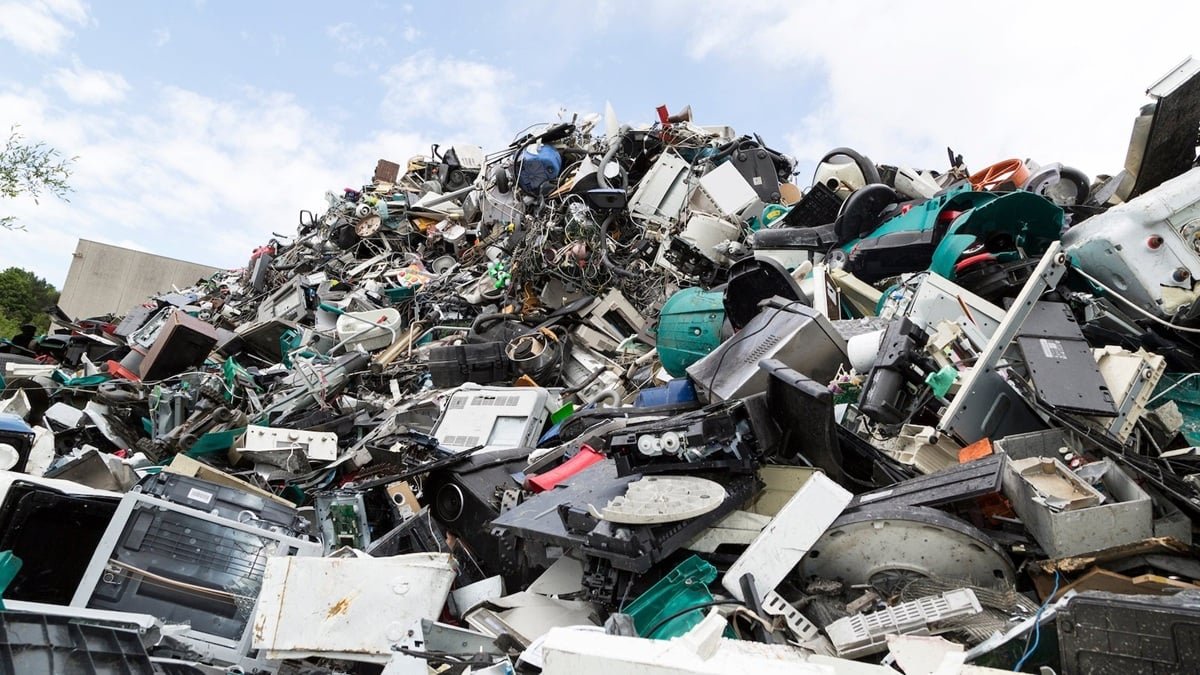
Children living in communities where electronic waste is routinely dumped and burnt face a significantly higher risk of developing hypertension, a new study has found.
The study revealed that children exposed to e-waste pollution were about four times more likely to develop hypertension, with toxic metals and volatile organic compounds (VOCs) linked to changes in gut-related metabolic pathways and disruption of the body’s blood pressure regulation.
The findings, published in Environment & Health, highlight growing concerns over the health effects of exposure to pollutants released during e-waste recycling.
ALSO READ: FG inaugurates committee for Lagos international financial centre
Researchers examined the impact of exposure to heavy metals and VOCs from e-waste recycling on children’s blood pressure and found elevated levels of VOCs and metal(loid)s among children living in e-waste recycling areas.
The study involved 426 children without a previous history of hypertension who lived in an e-waste recycling area in China. Conducted in October 2022, the research sought to assess how combined exposure to VOCs and metalloids affected children’s blood pressure and to develop a model for identifying those at risk of hypertension.
Researchers collected fasting urine samples and blood pressure measurements, while demographic and health information was obtained through questionnaires.
The urine samples were analysed for 18 metal(loid)s, including lead, nickel, cadmium and arsenic, as well as metabolites indicating exposure to VOCs such as benzene and styrene derivatives.
A hypertension prevalence of 12.7 per cent was recorded among the children—considerably higher than national estimates.
Further analysis showed significant links between some pollutants and blood pressure. Urinary cobalt and gallium, for instance, were positively associated with systolic blood pressure, while selenium and tin were linked to diastolic blood pressure.
The researchers said the findings were particularly concerning as global e-waste continues to rise, with developing countries bearing much of the burden of recycling and disposal.
During the dismantling, processing and open burning of electronic waste, hazardous substances can be released into the environment, exposing nearby communities to a cocktail of toxic pollutants.
Hypertension remains a major modifiable risk factor for cardiovascular and cerebrovascular diseases, yet conventional explanations do not fully account for its rising incidence, the researchers noted.
Previous studies have also linked living close to e-waste recycling sites with an increased risk of hypertension, particularly among children.
Early elevation of blood pressure is of particular concern because it can persist into adulthood and increase the risk of cardiovascular disease later in life.
Among the major pollutants released during e-waste recycling are VOCs and metalloids, both of which can damage the cardiovascular system.
Researchers suggested that simultaneous exposure to the pollutants could worsen their effects, as they may act through similar pathways, including oxidative stress and other chemical processes that interfere with normal body functions.
WATCH TOP VIDEOS FROM NIGERIAN TRIBUNE TV