

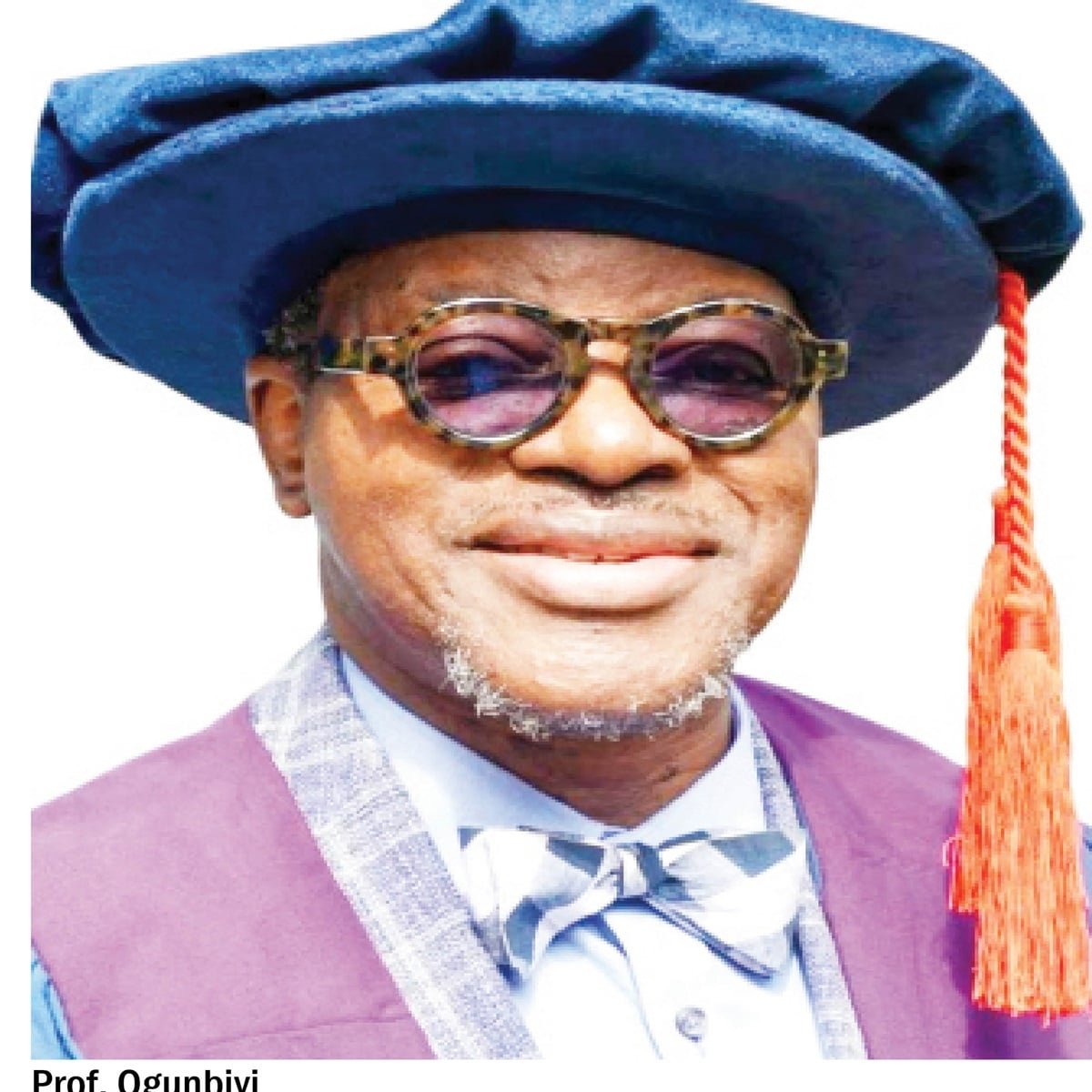
Professor Femi Ogunbiyi, Chairman of the Local Organising Committee for the West African College of Physicians’ 50th anniversary, reflects in this interview with Sade Oguntola on the College’s achievements, its impact on healthcare in West Africa, the challenges facing specialist training, and the partnerships needed to strengthen healthcare systems over the next 50 years in the region.
This year marks 50 years since the establishment of the West African College of Physicians (WACP). Looking back, what would you consider to be three of the College’s greatest achievements in transforming healthcare across West Africa?
It is important to begin with the original vision behind the establishment of the West African College of Physicians. The college was founded to train medical specialists within West Africa. At the time, we already had many highly qualified physicians who had trained abroad and returned to the sub-region. They had the expertise to train the next generation locally, making postgraduate specialist training both practical and cost-effective.
Training within our own environment also meant specialists became more familiar with the diseases and health challenges prevalent in West Africa. At the time, disease patterns in developed countries differed significantly from those in tropical Africa, and many conditions common here received little attention in overseas training. Local training therefore produced specialists better equipped to meet the healthcare needs of our communities.
That’s helpful background. But if you were to identify three outstanding achievements of the College over the past 50 years, what would they be?
First, we have established a postgraduate training system that produces specialists whose competence is comparable to those trained anywhere in the world.
Second, the college has helped to build the specialist workforce not only for Nigeria but also across West Africa. Because Nigeria has the region’s largest population, it produces many specialists, many of whom have served in Liberia, Sierra Leone, The Gambia, Ghana and other countries, strengthening healthcare across the sub-region.
Third, the College has contributed significantly to health policy through research and disease surveillance. One of our founding objectives was to provide governments with evidence to guide planning and policy. Our Fellows helped document the growing burden of cancer, hypertension, diabetes and other non-communicable diseases, enabling governments to better prioritise resources.
The college, certainly more recently, also played an important role during the Ebola and COVID-19 outbreaks. Our network of specialists supported surveillance, outbreak control and the national response. Nigeria’s comparatively strong performance during these emergencies reflected the expertise of physicians trained in infectious diseases and public health. Of course, you readily recall our continuing involvement in Lassa fever control.
Approximately how many specialist doctors has the West African College of Physicians trained over the past 50 years, and what impact has that had on Nigeria and the wider West African sub-region?
The college has trained about 7,000 specialists since its inception. While many practice across West Africa, others have migrated abroad. With better working conditions, we would undoubtedly have retained more of them and improved our specialist-to-population ratio.
Nevertheless, the college has consistently fulfilled its mandate by producing highly trained physicians who continue to make valuable contributions both within West Africa and internationally.
How does the College ensure that its training programmes and fellowship examinations meet international standards comparable to those of the UK, the United States and other leading postgraduate medical colleges?
Maintaining international standards is one of our core priorities. We have robust quality assurance systems covering curriculum development, accreditation, examinations, and faculty development.
We regularly organise programmes such as “Training the Trainers” and currently work with the West African Health Organisation (WAHO) to harmonise specialist training across Anglophone and Francophone countries. These collaborations are helping establish common regional standards.
We also operate a rigorous accreditation process. Training institutions must demonstrate that they have the facilities, equipment, patient volume and qualified faculty required before they can train specialists and be allowed to continue to do so when reassessed at specific time intervals.
Only doctors who have completed the certified training requirements of accredited programmes are eligible to sit our fellowship examinations.
In addition, we collaborate closely with Royal Colleges in the UK and other international professional bodies. External examiners from these international bodies participate in our assessments, while our own examiners observe/participate in examinations abroad, helping ensure our standards remain internationally benchmarked.
There is a perception that some WACP-trained consultants who relocate abroad are required to repeat parts of their specialist training. Does that suggest their training here is not considered equivalent internationally?
Not necessarily. Many specialists are recognised without repeating their training. Requirements differ from country to country and usually reflect regulatory policies rather than doubts about training quality.
In the UK, Nigerian doctors are widely recognised for their competence but must still satisfy licensing requirements. The United States has traditionally required even experienced consultants to complete parts of its residency system, largely to familiarise themselves with its healthcare system and regulations rather than to reassess their competence.
Nigeria applies the same principle. Doctors trained abroad must satisfy the Medical and Dental Council of Nigeria’s licensing requirements before practising here. This is a standard regulatory process used by many countries to ensure patient safety.
Digital health, artificial intelligence (AI) and telemedicine are rapidly transforming healthcare worldwide. How is the West African College of Physicians updating its curriculum to prepare specialists for the next 50 years?
We recognise that digital technology is reshaping healthcare and are determined to keep pace. AI and digital health have been incorporated into our curriculum, and trainees are now expected to understand their clinical applications.
The college also uses digital tools extensively. Dissertations are screened with AI-supported plagiarism detection, several examinations are conducted online, and assessments are increasingly computer-based. Technology has become an integral part of modern medical education, and we are adapting accordingly.
So the college is already incorporating these technologies into specialist training?
Absolutely. Infrastructure remains a challenge, but that is largely a resource issue rather than a knowledge gap. Our specialists already use telemedicine, telepathology, digital imaging and remote consultations in routine practice. At the same time, we emphasise responsible use of AI. It can support clinical decision-making, but responsibility for patient care will always rest with the physician. Our goal is to ensure technology complements—not replaces—sound clinical judgement.
Despite the calibre of specialists being trained locally, many Nigerians still travel abroad for medical care. What message would you give to people about trusting specialists trained in Nigeria?
First, let me clarify that Nigeria still does not have enough specialists for its population. That shortage is partly because many highly trained professionals leave the country in search of better opportunities. The issue, however, is not the quality of our specialists. Nigerian physicians are exceptionally well trained.
The greater challenge is infrastructure. Many public hospitals still struggle with unreliable power supply, ageing equipment and other operational constraints, which can affect patients’ experiences and encourage those who can afford it to seek treatment abroad.
Ironically, waiting times for some procedures are often shorter in Nigeria than in parts of the United Kingdom. Some Nigerians living overseas even return home for surgery because they can access treatment more quickly.
There is no shortage of expertise. Nigerian specialists perform highly sophisticated procedures every day. Many colleagues who trained overseas have returned to establish world-class private hospitals, while international institutions increasingly partner with Nigerian healthcare providers because they recognise the quality of our professionals.
Advanced procedures, including robotic surgery, are now available in Nigeria. Where necessary, specialised equipment or implants can be imported, enabling patients to receive high-quality care locally.
So when Nigerians travel abroad for medical care, it is often because of infrastructure, convenience or personal preference—not because competent specialists are unavailable here.
So the issue is not expertise but the healthcare environment?
Exactly. Our specialists have the knowledge and skills. The challenge is ensuring they have the infrastructure and resources needed to deliver care under the best conditions. I should also note that the West African College of Physicians trains physician specialists, while surgical training falls under the West African College of Surgeons. Within physician specialities, however, we have experts capable of managing virtually every aspect of medical care.
How does the College ensure that its Fellows continue to maintain high standards after completing their training?
Throughout residency, trainees undergo continuous assessment to ensure they are acquiring the knowledge, skills and professional competence expected of specialists. After qualification, continuing professional development remains mandatory. The Medical and Dental Council requires physicians to earn Continuing Professional Development (CPD) credits annually through conferences, workshops, update courses and other educational activities.
Like any regulatory system, implementation can be strengthened, but the framework plays an important role in maintaining professional standards throughout a physician’s career.
The theme of your 50th anniversary is “Bridging Gaps, Building Resilience and Partnerships in Health”. Why was this theme chosen, and what do you hope to achieve?
The theme reflects both the realities facing healthcare today and the direction postgraduate medical education must take. Bridging gaps means modernising training to meet the expectations of a new generation of doctors, while also creating a more seamless transition between undergraduate and postgraduate medical education through closer collaboration among universities, regulatory bodies and professional colleges.
It also means strengthening partnerships across disciplines. Modern healthcare depends on collaboration among specialists, researchers, policymakers and development partners if we are to build resilient health systems.
So these are real gaps that the College believes must be addressed now?
Absolutely. These are practical challenges requiring deliberate action. Our anniversary conference includes dedicated sessions on health financing, workforce development, curriculum reform, partnerships and other critical issues. We expect these discussions to produce recommendations that will help shape the future of specialist training and healthcare across West Africa.
We also want to deepen partnerships with organisations such as the World Health Organisation (WHO), non-governmental organisations and others whose work complements specialist training and healthcare development. Ultimately, our goal is to build a healthcare system that is innovative, collaborative and resilient enough to meet future challenges.
It is fitting that this historic anniversary is being hosted in Ibadan, where the college’s earliest postgraduate training activities began and which remains one of our major examination centres. While the conference will celebrate 50 years of excellence, it will also maintain a strong scientific focus through academic sessions and commemorative activities.
How does the College intend to bridge the gap between highly specialised tertiary care and primary healthcare centres, particularly in rural communities?
Primary healthcare is fundamental to an effective health system. Our Faculties of Family Medicine and Community Health are already strengthening community healthcare through preventive services, health promotion and community engagement. We have long advocated bringing more specialist support and diagnostic services closer to primary healthcare facilities. As we train more specialists, we believe this will become increasingly achievable.
The college also conducts community outreach during its annual conferences. This year, for example, we will provide consultations, screening and other services in the Ajia community. Importantly, these programmes establish referral pathways linking patients to primary, secondary and tertiary facilities, improving continuity of care and access to specialist services.
Mental health challenges and professional burnout are becoming increasingly common among doctors. What is the College doing to help specialists build resilience?
Burnout is a growing concern, and we take it seriously. Through our Faculty of Psychiatry, conferences and continuing education programmes, we provide training on stress management, work-life balance and psychological well-being.
Mental health is also integrated into specialist training. However, burnout is driven by broader systemic challenges, including poor infrastructure, inadequate equipment, unreliable electricity and workforce shortages. Doctors often work long hours under difficult conditions because they are committed to their patients.
Addressing burnout therefore requires more than personal resilience. It also demands better infrastructure, improved working conditions, supportive government policies and adequate staffing.
Looking ahead, what specific support does the College need from government to achieve its goals over the next 50 years?
Government has always been a key partner in postgraduate medical education. Teaching hospitals and training institutions are government-owned, and governments fund resident doctors, consultants and much of the infrastructure needed for specialist training.
Historically, governments across West Africa also provided direct financial support to the West African College of Physicians through contributions linked to import duties. That funding gradually declined as countries established their own national postgraduate colleges and redirected resources.
As a result, essential activities such as accreditation, curriculum development, examinations, research, conferences and faculty development have become increasingly expensive. Although organisations like the West African Health Organisation continue to provide valuable support, trainees now bear a greater share of the costs.
We believe governments across the region should renew their commitment to supporting the regional colleges. The specialists we train serve not only their own countries but the wider West African community, and sustaining that mission requires consistent investment.
Is a fellowship awarded by the West African College of Physicians equivalent to one awarded by the National Postgraduate Medical College?
Yes, absolutely. The certification is of the highest quality. Its distinguishing advantage is that it is a regional qualification, allowing Fellows to practise more easily across participating West African countries because it was established to serve the entire sub-region. As a matter of fact, it was more readily recognised when people started migrating to the Middle East.
National Postgraduate Colleges focus on their individual countries, whereas the West African College was created to train specialists for West Africa as a whole. That regional mandate remains one of its greatest strengths. That does not mean that the national colleges, especially of Nigeria and Ghana, are not doing great.
Before we conclude, is there any important issue you feel we have not discussed?
Yes. I would like to emphasise the need for stronger government support for postgraduate medical education. This conference is a good example. We have sought support from different levels of government, but securing it has not been easy, even though the college performs a vital public service by training the specialists who care for our populations.
Governments must recognise that investing in postgraduate medical education is an investment in national health security. Supporting institutions like the West African College of Physicians should be regarded as essential, not optional.
Our training institutions also need better funding and infrastructure. Many teaching hospitals continue to struggle with inadequate resources, and these challenges inevitably affect both training and patient care.
Equally important is retaining the specialists we train. Every year, we invest significant resources in training highly skilled physicians, yet many leave due to poor working conditions and inadequate remuneration. The countries that trained them lose valuable expertise, while others benefit.
The irony is that these countries actively recruit our specialists because they recognise the quality of their training. Today, some Canadian provinces employ WACP-trained physicians directly as specialists without requiring them to repeat residency, while some institutions in the United States are beginning to recruit experienced Nigerian specialists as attending physicians.
The COVID-19 pandemic highlighted this reality. Countries such as the United Kingdom actively recruited Nigerian doctors because they knew they were well trained and capable of delivering high-quality care. That should give us pause. If other countries recognise the value of our specialists, we should create an environment that encourages them to stay and strengthen our own healthcare system.
WATCH TOP VIDEOS FROM NIGERIAN TRIBUNE TV