

The University College Hospital (UCH), Ibadan, has renewed its commitment to ensuring that no patient is left to endure avoidable pain, with experts stressing that effective pain management is an essential component of quality palliative care.
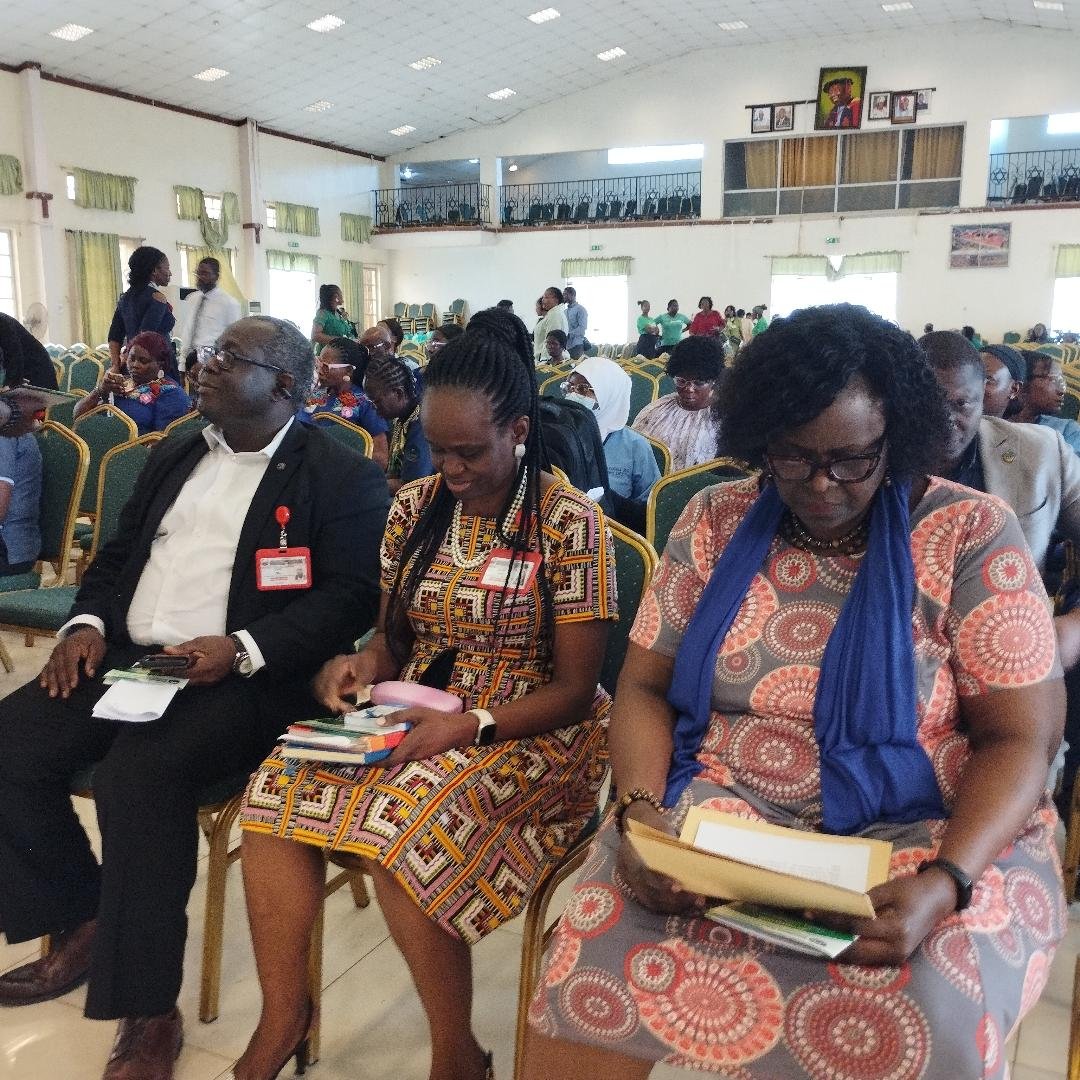
The experts spoke at the Hospital-Wide Grand Round organised by UCH in collaboration with the Department of Hospice and Palliative Care to commemorate World Hospice and Palliative Care Day 2026. The theme was “Pain Management: An Essential Part of Palliative Care”.
Speaking at the event, the Chief Medical Director of UCH, Prof. Jesse Otegbayo, represented by the Chairman of the Medical Advisory Committee, Prof. Bukola Adesina, said pain management remained central to the purpose of medicine, particularly when curative treatment was no longer possible.
“While we aim and we are trained to cure, sometimes that cure is not possible, then we must care. And at the centre of that care is the relief of pain,” he said.
Prof. Otegbayo said pain extended beyond physical suffering, noting that patients with cancer, organ failure and advanced heart disease could also experience psychological, social and spiritual distress.
He emphasised that palliative care should not be regarded solely as end-of-life care but should be integrated into treatment from diagnosis for patients with serious or life-limiting illnesses.
He said the hospital management would continue to support the availability of essential analgesics, including oral morphine, train more healthcare workers and integrate palliative-care screening into routine ward rounds.
Prof. Otegbayo described access to pain relief as a human rights issue, urging healthcare professionals to recognise and address avoidable suffering.
The Head of the Department of Hospice and Palliative Care, Dr Yetunde Oloyede, said patients could simultaneously experience physical, psychological, social and spiritual pain, with some dimensions often overlooked or mistaken for physical symptoms.
“This is a time to let everybody know that our patients suffer more than just physical pain, and our specialists and doctors should look for more than just that,” she said.
Oloyede noted that about 40 million people require palliative care, with most of them living in low- and middle-income countries, and called for greater awareness and access to palliative care services.
Emeritus Samuel Omokhodion, consultant paediatrician, chaplain to UCH and Chairman of the Chaplaincy Committee, said spiritual pain could be as severe as physical pain.
Speaking on “Management of Spiritual Pain in Palliative Care”, he said patients with serious illnesses often struggle with guilt, fear, hopelessness, loss of meaning and questions about God, death and the purpose of life.
He called for spiritual care to be integrated into routine palliative care, urging healthcare workers to “ask, listen, act, document and return”.
Dr Olalekan Adeleke, Head of the Medical Social Services Department, said social pain was a significant component of suffering and should be addressed alongside physical, psychological and spiritual pain.
He identified financial hardship, inability to fulfil family and occupational roles, disability, social isolation, family conflict and caregiving burdens as factors that could worsen social pain.
Adeleke advocated comprehensive social assessment and targeted interventions, urging healthcare teams to make greater use of social workers, families and community organisations to reduce suffering and help patients maintain dignity and quality of life.
Mrs Oluwafunmilayo Olowa, a clinical psychologist and Acting Head of the Department of Clinical Psychology, said psychological pain was real, deserved assessment and should not be dismissed as a normal reaction to serious illness.
She urged healthcare workers to recognise distress early, validate patients’ fears, provide clear information, support coping and refer patients for specialised psychological care when necessary.
Dr Mukaila Akinwale, a consultant anaesthetist and palliative care physician, said physical pain was only one component of the broader “total pain” experienced by patients with serious illnesses.
He said effective management of physical pain could help break the cycle of total pain, improve quality of life and create the psychological and spiritual space necessary for dignity and peace at the end of life.
WATCH TOP VIDEOS FROM NIGERIAN TRIBUNE TV