

From Noah Ebije, Kaduna
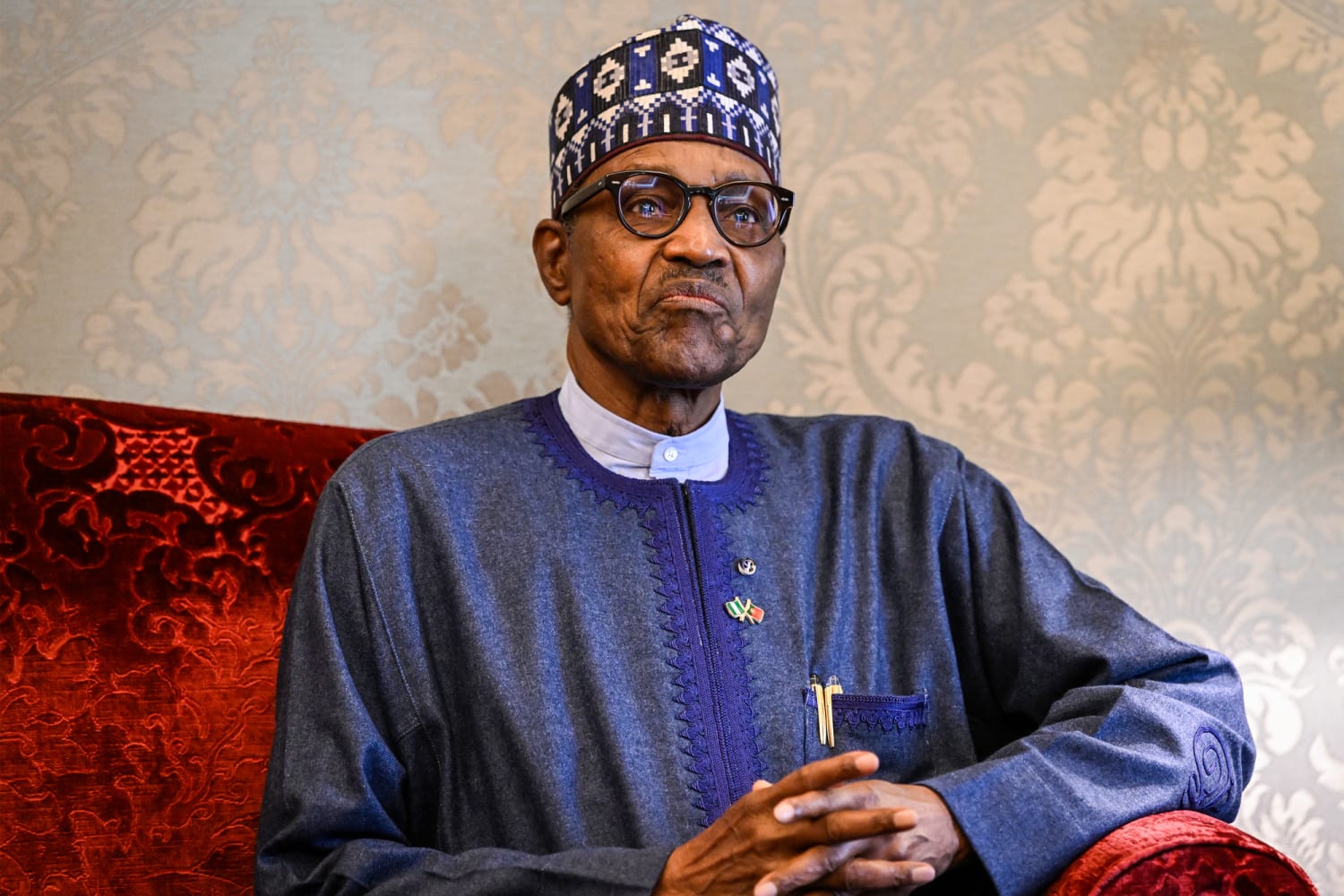
The Southern Kaduna Christian Leaders Association (SKCLA), as well as the Supreme Council for Shari’ah in Nigeria (SCSN), Kaduna State Chapter, have mourned late President Muhammadu Buhari.
Chairman of Southern Kaduna Christian Leaders, Apostle Emmanuel Nuhu Kure, extends condolences to the family of late Buhari and to the Federal Republic of Nigeria over the demise.
A statement by Apostle Kure however, recalled Buhari’s years as military Head of State and civilian president, saying that his leadership in those years were mixed feelings for the people of Southern Kaduna and Nigeria as a whole.
“We are not a people who forget history entirely. We remember with nostalgia his first coming as Nigeria’s military Head of State in 1984–1985. During that brief period, there was a determined effort to sanitise the Nigerian system, instill national discipline, confront corruption and restore national pride.
“The nostalgia of 1984/85 still lives with many of us in spite of the flaws it came with. Buhari made us feel that Nigerians can adapt to discipline with the right leadership in place.
“May God heal this nation from the traumas of the past and raise leaders who will truly serve all Nigerians with justice, equity, and truth, not favouring one part of the country over another”.
On its part, the Supreme Council for Shari’ah in Nigeria (SCSN), described late Buhari as a principled leader whose life was defined by discipline, integrity and steadfast commitment to both national and moral renewal.
In a condolence message signed by its Secretary, Engr. AbdurRahman Hassan, the Council extended heartfelt sympathies to Buhari’s family, the Federal Government, and the people of Katsina State over what it called an “irrefutable loss.”
The Council recalled that a notable hallmark of Buhari’s legacy was his courageous support for the reimplementation of Shari’ah law in Northern Nigeria during the tenure of President Olusegun Obasanjo, at a time when the move sparked intense national debates and stiff resistance.
It said Buhari stood firm by providing both constitutional and moral backing, ensuring that states in the North could exercise their right to adopt Shari’ah based on the wishes of their people. This, according to the Council, helped restore confidence among Islamic scholars and laid the foundation for the establishment of the Supreme Council for Shari’ah in Nigeria.
Beyond religious matters, the SCSN highlighted Buhari’s decades-long war against corruption and public indiscipline, pointing to his War Against Indiscipline campaigns, his clampdown on money politics, and the controversial but “intention-driven” naira redesign policy, which it said all reflected his conviction that governance must be rooted in accountability and the fear of God.
While acknowledging that Buhari’s tough methods often divided opinion, the Council maintained that his vision for a morally upright, economically fair and institutionally disciplined Nigeria was never in doubt.
Praying Allah to forgive Buhari’s shortcomings and grant him Aljannatul Firdaus, the Council urged his family, the people of Katsina State, and Nigerians at large to find comfort in the lasting legacy he leaves behind, adding: “May Nigeria continue to produce leaders who serve with courage, clarity and conviction.”