

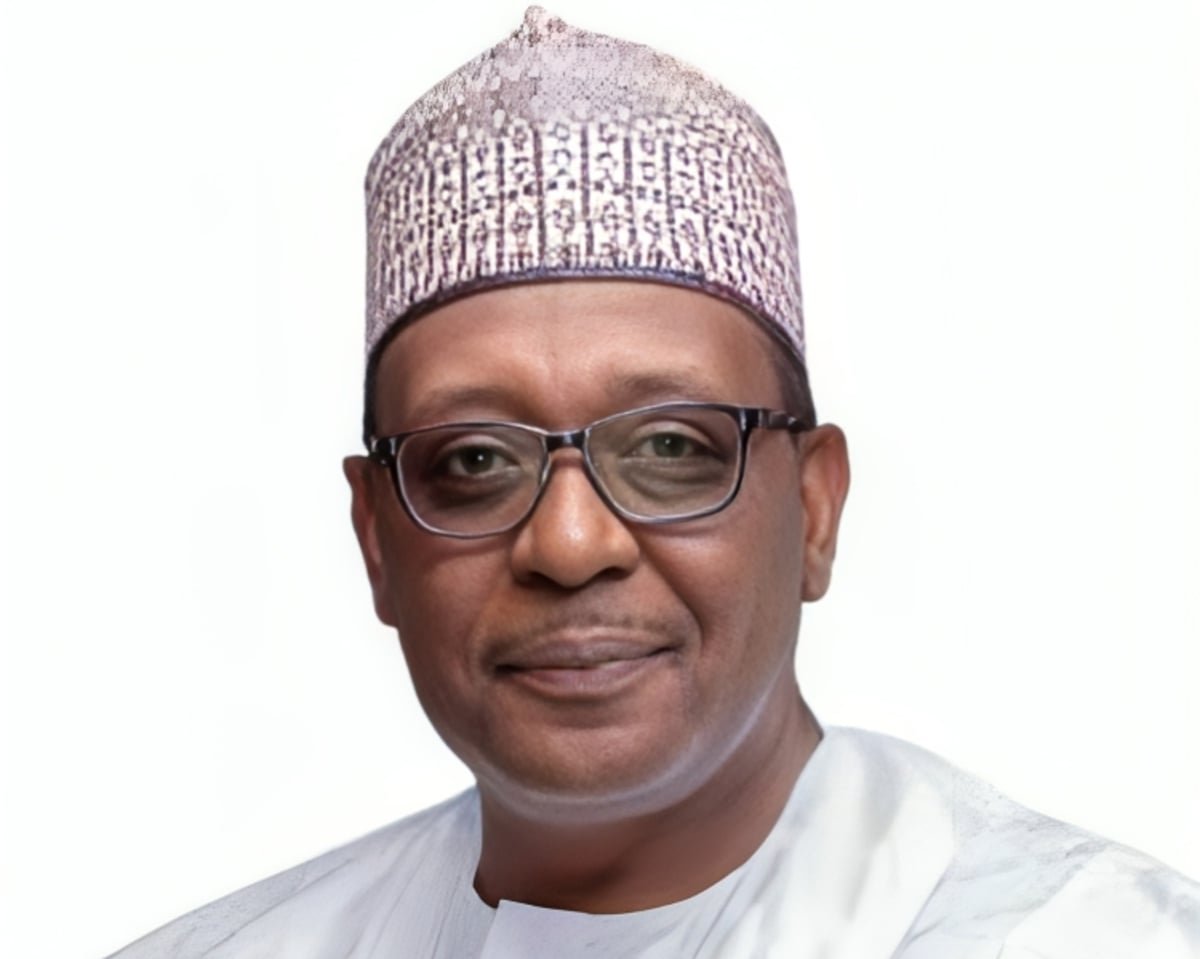
The Coordinating Minister of Health and Social Welfare, Mohammed Ali Pate, has raised concerns over the acute shortage of licensed physiotherapists and other rehabilitation professionals in Nigeria, warning that the deficit threatens efforts to integrate rehabilitation services into primary healthcare nationwide.
Speaking at the national launch of Integrated Rehabilitation Services in Primary Health Care (PHC) in Bauchi, the minister said Nigeria’s current rehabilitation workforce is inadequate to meet the country’s healthcare needs.
Represented by Hon. Baba Abubakar, Pate said that although Nigeria has about 34,000 Primary Health Care Centres, the country has only about 5,000 licensed physiotherapists, with significant shortages of other rehabilitation professionals.
ALSO READ: Hassan Ocholi pledges quality representation for North Central on TETFund board
“While we celebrate today’s success, we must also confront one of our greatest challenges with honesty and resolve,” he said.
“Nigeria currently has approximately 34,000 Primary Health Care Centres, yet we have only about 5,000 licensed Physiotherapists, alongside significant shortages in other rehabilitation professions. This workforce is clearly insufficient to support the nationwide integration of rehabilitation services into Primary Health Care.”
The minister called for bold reforms to address the workforce gap, urging the Medical Rehabilitation Therapists Board of Nigeria to review its regulatory frameworks and adopt successful workforce expansion strategies implemented by the Nursing and Midwifery Council of Nigeria and the Pharmacists Council of Nigeria.
According to him, expanding accredited training institutions, introducing innovative educational pathways, adopting competency-based training, strengthening regulation, and improving workforce planning would significantly increase the number of qualified rehabilitation professionals while maintaining professional standards.
He assured stakeholders that the Federal Ministry of Health and Social Welfare would collaborate with the board, educational institutions, and other relevant partners to achieve the objective.
Pate also disclosed that the ministry is pursuing additional funding to replicate the Doya rehabilitation model in more Primary Health Care Centres across the country.
He added that efforts are underway to integrate rehabilitation services and assistive rehabilitation products into the National Health Insurance framework to reduce out-of-pocket expenses for Nigerians requiring rehabilitation care.
The minister stressed that the success of the initiative would depend on collaboration among physiotherapists, occupational therapists, orthotists, speech and language therapists, audiologists, and other rehabilitation professionals.
“Professional diversity should never divide us; rather, it should strengthen our collective capacity to deliver comprehensive, multidisciplinary and patient-centred rehabilitation services to Nigerians,” he said.
He also urged state governments, local government authorities, Primary Health Care Development Agencies, development partners, academic institutions, civil society organisations and organisations of persons with disabilities to support the national rehabilitation agenda.
Pate expressed confidence that expanding rehabilitation services through primary healthcare would improve access for millions of Nigerians, enabling them to achieve greater independence, better quality of life, and improved productivity.
“As we launch this programme today, let us renew our collective commitment to building a healthcare system that not only saves lives but also restores dignity, promotes independence, improves productivity and gives renewed hope to millions of Nigerians,” he said before officially declaring the programme launched.
WATCH TOP VIDEOS FROM NIGERIAN TRIBUNE TV