

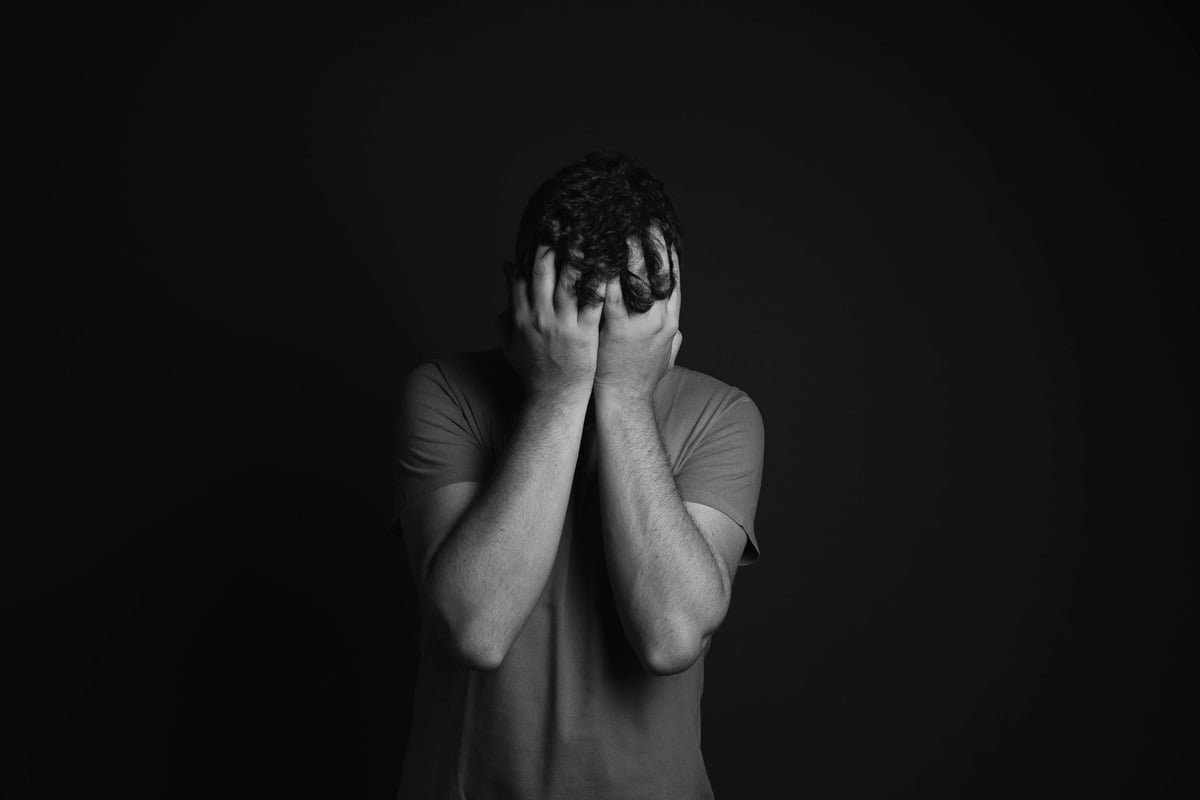
Stakeholders have identified unhealthy parenting patterns, unresolved trauma and conflicting parental roles as major contributors to the growing mental health challenges facing the male child, urging families to adopt healthier parenting practices.
The experts spoke at a LifeCare Seminar themed “Mental Health Challenges of the Male Gender.”
Consultant psychiatrist at Ladoke Akintola University of Technology (LAUTECH), Ogbomoso, Dr Adeoye Oyewole, said unhealthy parenting dynamics—particularly the overindulgence of male children and the erosion of clear parental authority—could predispose young men to substance abuse, internet fraud and other antisocial behaviours.
According to him, some mothers unconsciously elevate their sons into the role of a “surrogate husband” in homes where emotional or marital needs are unmet, resulting in excessive pampering, weak discipline, and poor emotional development.
Dr Oyewole said disagreements between parents over discipline often leave children receiving contradictory instructions, weakening parental authority and exposing young men to negative influences.
“A child is born male, but it is development that makes him a man. We sometimes place the responsibilities of manhood on a boy who is not emotionally equipped to carry them,” he said.
He added that boys raised in homes where fathers are absent, emotionally unavailable, or financially negligent may become obsessed with acquiring wealth early, increasing their vulnerability to internet fraud, substance abuse, and other criminal activities.
Dr Oyewole urged parents to maintain healthy marriages, establish clear boundaries, and present a united front in disciplining their children.
Also speaking, a cleric with the Redeemed Christian Church of God (RCCG), Pastor Oladapo Olasode, said unhealed trauma among parents fuels dysfunctional parenting and mental health challenges in children.
He called for greater emphasis on emotional healing, warning that unresolved abuse often shapes unhealthy parenting patterns that negatively affect children’s emotional development.
According to him, many parents unknowingly transfer their emotional wounds to their children, creating cycles of dysfunction that persist across generations.
Quoting the saying “abused people abuse people,” Pastor Olasode urged parents to avoid raising children from a place of personal pain and advised spiritual leaders not to minister from unresolved emotional wounds, cultural biases, or personal deficiencies.
Family life advocate Mrs Oluwabunmi Oyagbile urged mothers to embrace sound biblical knowledge, emotional healing, and intentional parenting, warning that unresolved marital disappointments often influence how women raise their sons.
She observed that while many mothers want emotionally and physically strong boys, they sometimes suppress healthy emotional expression by teaching them that “boys don’t cry” or by comparing them unfavourably with girls.
Mrs Oyagbile also linked many family challenges to failures in leadership within the home, saying women often become fearful and insecure when husbands fail to demonstrate integrity, responsibility, and Christ-like leadership.
ALSO READ: Fatherhood and mental health
She added that many mothers repeatedly caution their sons not to become like their fathers, placing unrealistic expectations on them and creating lasting emotional pressure.
She encouraged African women to deepen their understanding of Scripture and seek knowledge that promotes healthy family relationships rather than relying solely on inherited cultural beliefs.
Speaking on masculinity, Mrs Oyagbile said boys need a healthy sense of self-worth while warning against the destructive pride that prevents many men from expressing vulnerability or seeking help.
She urged parents to raise boys with emotional intelligence, spiritual grounding, and balanced expectations, stressing that healthy homes are built on knowledge, mutual respect, and shared responsibility rather than unresolved hurts and harmful cultural stereotypes.
WATCH TOP VIDEOS FROM NIGERIAN TRIBUNE TV