

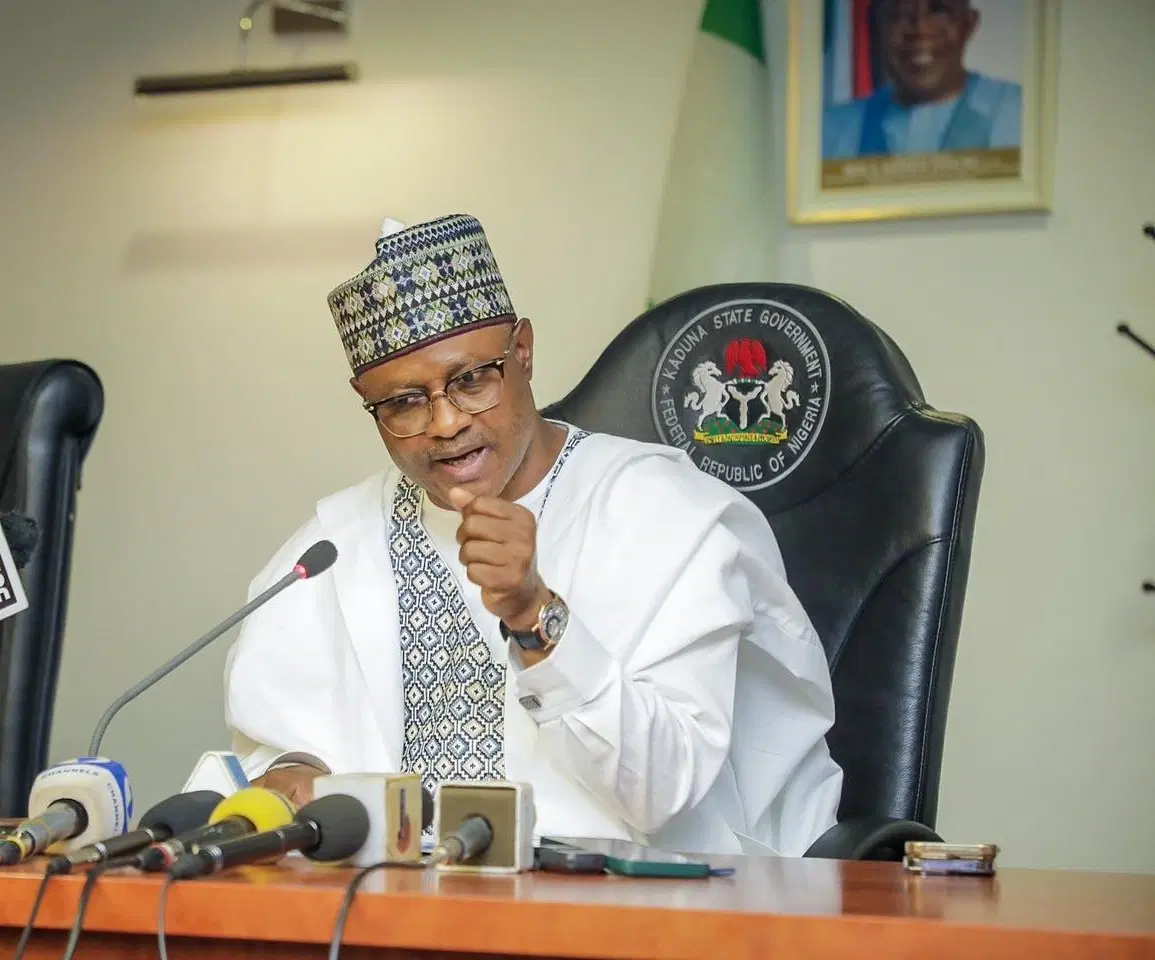
Kaduna State Government has called for stronger local government leadership and deeper community engagement as part of efforts to improve primary healthcare delivery across the state through the domestication of the Open Government Partnership (OGP).
Speaking at the opening of a three-day Orientation Workshop for Local Government Chairmen on the Domestication of OGP for Improved Primary Health Care Delivery, Deputy Governor Hadiza Sabuwa Balarabe said effective primary healthcare systems depend on transparent, accountable and citizen-centred governance at the grassroots.
Delivering the keynote address on behalf of Governor Uba Sani, Balarabe said local government leadership remains central to achieving sustainable health outcomes, noting that reforms in the health sector must translate into measurable improvements in the lives of citizens.
ALSO READ: Nigeria inflation rate drops by 0.39% in May — NBS
She stressed that primary healthcare is the foundation of human capital development and a key driver of economic growth and social stability.
“The health of our people is not merely a sectoral concern; it is a development imperative,” she said. “A healthy population is more productive, more innovative, and better positioned to contribute meaningfully to economic growth and social stability.”
Balarabe urged council chairmen to move from policy commitments to concrete action, recalling earlier agreements reached during a retreat in Kano where local leaders pledged to prioritise maternal and child health, nutrition, and stronger primary healthcare systems.
“The promises made in Kano must therefore become action. The resolutions adopted in Kano must become results. The responsibilities accepted in Kano must become accountability,” she said.
She explained that the Open Government Partnership provides a framework for improving trust between government and citizens by promoting openness in decision-making and accountability in service delivery.
“Government works best when it works openly and collaboratively with the people it serves,” she said, urging chairmen to engage communities, civil society organisations, and health stakeholders in planning and monitoring services.
Also speaking, Kaduna State Commissioner for Planning and Budget, Mukhtar Ahmed, said the workshop is aimed at extending OGP principles to all 23 local government areas in the state to strengthen service delivery in the health sector.
He noted that Kaduna joined the OGP in 2018 and is now deepening its implementation at the grassroots level as part of efforts to improve human capital development under Governor Uba Sani’s development agenda.
“Human capital can only flourish if you have a healthy society,” he said, adding that LG chairmen must take ownership of health sector reforms and ensure practical implementation in their communities.
He urged participants to apply the knowledge gained from the workshop to improve health outcomes at the local level.
“If they do it diligently and with commitment, then we are going to have a better outcome in the health sector,” he said.
Deputy Director for Policy Advocacy and Communications at the Gates Foundation, Ekenem Isichei, said the initiative reflects a growing push for accountability and data-driven governance in the health sector.
He said progress would be measured by community feedback and improved outcomes for women and children, stressing the need for stronger local leadership in healthcare delivery.
“We’d like to see that translated into better health outcomes for citizens in those communities,” he said.
Isichei added that primary healthcare facilities must be strengthened to ensure that mothers and children can access effective care for preventable conditions such as Malaria and HIV/AIDS.
He said local governments remain the first point of contact for most citizens and must therefore take ownership of healthcare improvements.
WATCH TOP VIDEOS FROM NIGERIAN TRIBUNE TV