


Pulling holiday decorations from storage brings familiar favorites back into view, along with decisions about what still belongs. While those pieces make a home feel festive, some may carry hidden health or environmental downsides that deserve a closer look. Choosing what holiday home decor to keep, swap or skip brings safety and sustainability into focus for the season.
The Hidden Risks Behind Common Holiday Décor
Phthalates help make plastics flexible. At high enough levels, they may disrupt the endocrine system and create hormonal imbalances. Checking available material information before selecting decorations gives households a clearer picture of what those items are made of.
Holiday greenery can be toxic, too. For example, holly causes stomach upset if ingested by pets, while mistletoe can trigger digestive and heart problems. Certain lilies commonly found in bouquets pose an even greater threat to cats because they can cause kidney failure.
Dangling tinsel may also attract animals that enjoy chewing on loose decorations. If swallowed, those strands can obstruct the digestive tract and lead to a medical emergency requiring surgery.
What Still Earns A Spot On The Mantel
An intact ornament or well-kept stocking can remain part of the celebration even as new collections reach the shops. Before buying anything, grouping stored decorations by room helps reveal opportunities to use them differently, such as moving a table runner to a sideboard.
Depending on their condition and where they’ll go, households can still display the following:
- Wood, metal or ceramic ornaments with intact surfaces
- Cotton stockings and wool felt tree skirts
- Foldable paper stars and honeycomb bells
- Linen runners and fabric banners
- Handed-down glassware without chips or cracks
When arranging those glass pieces, a stable shelf away from busy walkways offers a better spot than a crowded table edge. For nearby candle displays, the hazard from unattended flames around pets makes battery-powered versions worth considering, provided their compartments close securely. Spare batteries also belong out of reach.
Easy Swaps For A Safer Season
Small changes to decorative materials and lighting habits offer a practical way to improve safety and reduce environmental impact. These simple swaps can help households rethink their options and setups without having to replace everything they own.
Tinsel, Glitter and Foil Alternatives
Because microplastics measure no more than 5 millimeters in size, even tiny flecks of plastic glitter can contribute to this pollution. Checking labels on glitter and artificial snow helps identify their ingredients before choosing alternatives such as paper chains or fabric garlands.
For bows that would otherwise feature metallic foil, cotton ribbon offers a softer finish that pairs well with those garlands. Dried citrus or pinecones can extend that natural look to wreaths, especially when households already have them on hand.
Cord and Outlet Safety
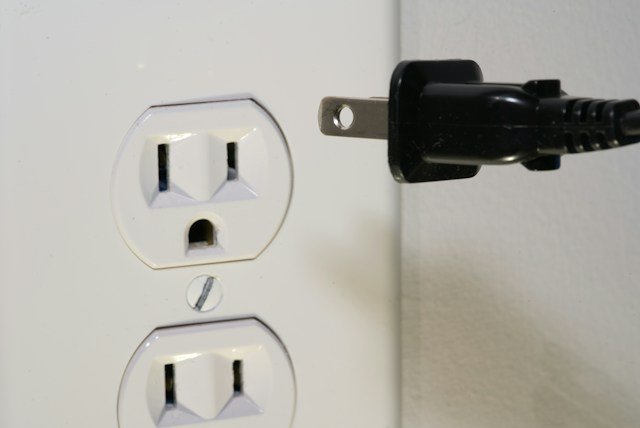
Adding up a display’s wattage before plugging it in helps establish whether the circuit can handle the load. Comparing that total with the 1,800-watt capacity at 15 amps provides a starting point, but an electrician should confirm suitable limits for extended use while accounting for other devices sharing the loop.
Once the power requirements are clear, selecting outdoor-rated extension cords gives exterior decorations connections suited to different weather conditions. Each cord should reach its outlet without joining extensions together, with plugs protected from water. Routing the cables away from walking paths also helps keep the setup clear of foot traffic.
Lighting Swaps That Still Sparkle
When older lights need replacing, ENERGY STAR certified light-emitting diode strings can cut electricity use by 70% compared with incandescent versions. Along with those energy savings, their cooler operation may reduce fire risk while preserving the warm or colorful glow that suits an existing display.
Pairing the new lights with a compatible timer also limits operating hours through an automatic nightly shut-off. For outdoor accents farther from an outlet, solar-powered stakes offer another option wherever their panels receive enough sunlight to charge.
What Items To Donate Or Discard
Working decorations that no longer suit the home may find a second life through a thrift store or senior center. Calling ahead confirms whether the organization accepts seasonal items before households pack a donation box.
Damaged pieces need a different approach, even when they carry family memories. Keeping an heirloom as a memento doesn’t require using it again, but broken or deteriorating decorations may need to be discarded. Warning signs include the following:
- Cracked plastic with loose fragments
- Frayed cords or exposed wiring
- Leaking batteries or corroded contacts
- Artificial greenery that sheds heavily during handling
- Visible mold or persistent mildew odors
Before those items go into the trash, local waste services can explain whether light strings or batteries require separate collection. Following that guidance helps households choose an appropriate disposal route rather than using a curbside bin that doesn’t accept them.
Decking The Halls The Safer, Greener Way
Sorting through the holiday decor box offers a chance to keep beloved traditions while giving safety and greener choices a place in the celebration. Rather than planning a complete overhaul, households can choose one swap that fits their celebrations and build on it in seasons to come.