

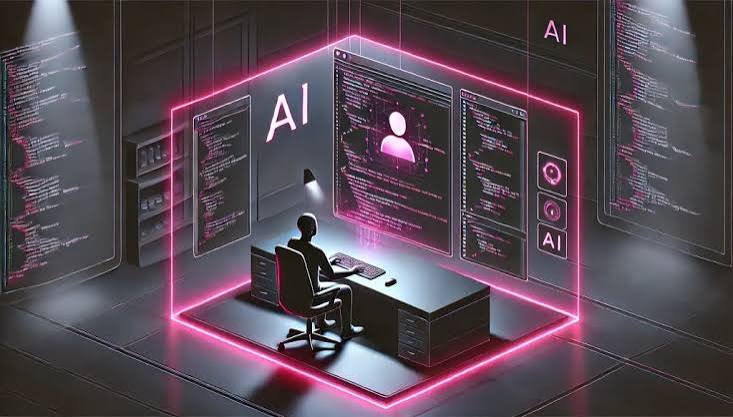
Artificial intelligence has reshaped frontend software development by moving engineers away from repetitive coding tasks towards architecture, user experience and more complex technical decision-making.
AI-powered development tools are being used to automate tasks that have traditionally consumed significant amounts of developers’ time, including code completion, software testing, documentation, bug detection and user-interface prototyping.
According to a recent analysis published by The Next Web, the shift is not necessarily about replacing frontend developers but about changing how they work and where they spend their time.
Frontend engineering has traditionally involved building interfaces, integrating application programming interfaces (APIs), resolving browser compatibility issues and optimising application performance.
AI tools can now increase several of these processes by allowing developers to move from initial ideas to working features faster.
AI coding assistants, for instance, can suggest code, identify potential errors and generate unit tests based on existing components. This can shorten development cycles while helping engineering teams maintain software quality and reliability.
The technology is also changing the design of web applications.
Rather than delivering identical experiences to every visitor, developers can use AI and machine learning to build interfaces that adapt to individual users.
Applications can personalise content, recommend products, predict user behaviour and improve accessibility based on how people interact with them.
However, the growing role of AI does not eliminate the need for conventional software engineering skills.
Developers still need to make decisions about application architecture, reusable components, state management, security and performance.
AI-generated code can accelerate implementation, but engineers remain responsible for determining whether the resulting systems are scalable, secure and maintainable, the report stated.
This is also changing the skills expected of frontend engineers.
As AI becomes embedded in development workflows, engineers need to understand how web applications interact with AI models and other parts of the technology stack.
Collaboration between frontend developers, product managers, UX designers, backend engineers, data scientists and AI specialists is consequently becoming more important.
The shift also introduces new concerns around privacy and responsible technology development.
Developers integrating AI into consumer-facing applications must consider how user data is collected and processed, while ensuring that intelligent features are transparent and trustworthy.
For developers, this means that expertise may be measured by more than familiarity with programming languages and frontend frameworks.
Understanding system architecture, cloud technologies, user behaviour and AI-assisted development could become important as software teams adopt AI-powered workflows.
The broader implication is that AI can make frontend engineering less about writing every line of code manually and more about deciding what should be built, how systems should work and how technology can deliver better experiences.
Rather than removing the need for frontend engineers, AI is likely to raise the value of skills that require human judgement, creativity and technical strategy as the web becomes intelligent and adaptive.

Get Newsletter Updates
Enjoying our column?
Subscribe to our specialised **Tech Pulse** feed to receive fresh reports and analyses directly in your inbox.


