

There is a report making the rounds that the Nigerian President, Asiwaju Bola Ahmed Tinubu has travelled for over 260 days in about three and a half years of his first term. The figure is high. It has stirred debate, provoked commentary and fed the familiar chorus of criticism that attends every presidential movement. Yet the truth is more textured. Many of these trips are compelled by the demands of international diplomacy, the urgency of rebuilding a collapsed economy and the simple human need for rest. A nation in recovery often requires its leader to be in motion. Still, not every journey is inevitable. Some can be domesticated, redesigned and repurposed to strengthen the Nigerian economy itself.
Nigeria’s presidency is a pressure cooker. The walls of Aso Rock are lined with expectation, tension and the relentless hum of national urgency. Even beyond vacation, a President needs moments of decompression. He needs a place where the noise of governance fades and clarity returns. Every serious nation understands this. Leadership is not only the art of decision-making. It is also the discipline of stepping back to see the horizon. Nigeria must now confront a simple question: where does its President go to breathe?
For nearly a century, the United States has answered that question with Camp David. Tucked in the Catoctin Mountains, 60 miles north of Washington, it is officially known as Naval Support Facility Thurmont. In reality, it is something more elemental. It is the place where American Presidents shed the rigid optics of office, dress casually, walk wooded paths and recover the mental clarity that the White House often steals. It is a sanctuary built not for luxury but for lucidity.
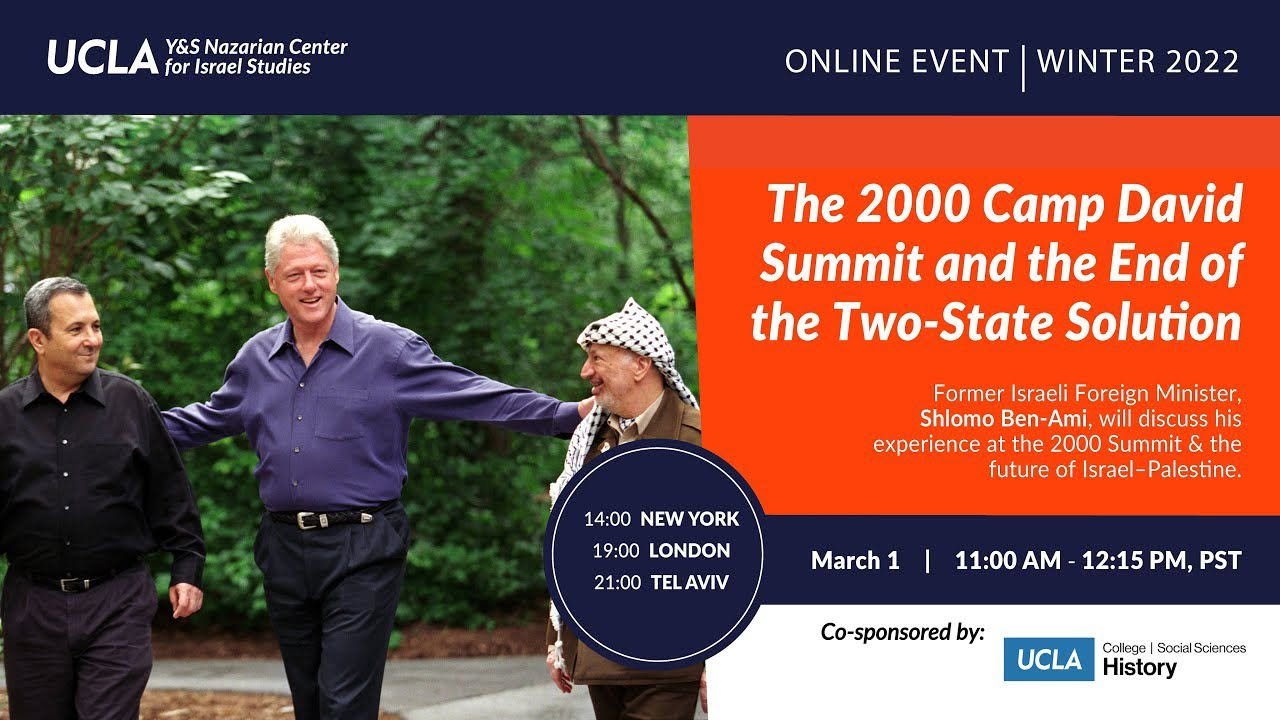
Camp David’s power lies in its atmosphere. It cultivates what historians call the Spirit of Camp David. In that relaxed, intimate setting, rival leaders become human again. Bureaucratic armour falls away. Conversations deepen. The world has seen the fruits of this environment. In 1978, the Camp David Accords between Egypt and Israel were born there, far from cameras and political theatre. During the Second World War, Franklin Roosevelt and Winston Churchill shaped strategy in its cabins. The place has become a quiet engine of global diplomacy.
Other nations have their equivalents. Japan’s Prime Minister retreats to the Nasu Villa in Tochigi Prefecture, a wooded enclave that has hosted discreet consultations for decades. France relies on the Fort de Brégançon, a coastal fortress that has become a crucible for reflection and negotiation. These spaces are not decorative. They are instruments of statecraft. They remind us that leadership requires solitude as much as it requires action.
Nigeria once attempted its own version. In 2007, the late President Umaru Musa Yar’Adua commissioned a Presidential Retreat at the Obudu Mountain Resort in Cross River State. High altitude. Isolation. Serenity. It was designed to mimic the logic of Camp David. Yet it never became institutional. It never evolved into a culture. It remained a structure without a purpose. The idea was sound. The execution was incomplete.
The time has come to revive that idea. Nigeria needs a presidential retreat that is not a hotel, not a tourist site and not a symbol of extravagance. It needs a functional sanctuary of governance. It can be Obudu, reclaimed and securitised. It can be Jaji in Kaduna State, already known for its disciplined military environment. It can be the Farin Ruwa Waterfalls corridor in Nasarawa, where nature creates a natural curtain of seclusion. It can be the Idanre Hills in Ondo State, a majestic elevation that has sheltered communities for centuries. What matters is not the geography. What matters is the philosophy.
Such a retreat must be placed under military management, not commercial administration. It must be rustic, understated and deliberately intimate. Individual cabins rather than grand architecture. Nature rather than marble. A place where ministers, governors, labour leaders and regional actors can meet without cameras, without entourages and without the performative tension that Abuja often imposes. A place where conflict can be isolated until resolution becomes the only exit.
Nigeria’s retreat must also become a diplomatic tool. It can host ECOWAS consultations. It can convene security briefings. It can serve as a neutral ground for internal disputes. It can become the crucible where national strategy is shaped, away from the noise of the capital. The President must normalise working from there. Cabinet reviews. Intelligence debriefs. Economic strategy sessions. The culture must shift from seeing absence as detachment to seeing retreat as responsibility.
The benefits are not abstract. A functional Nigerian Camp David will reduce foreign travel. It will save costs. It will stimulate local economies. It will create a new centre of national gravity. Most importantly, it will give the President the mental clarity required to govern a complex nation. Leadership is not only about presence. It is also about perspective. A retreat provides that perspective.
Nigeria is at an inflection point. The demands on the President are immense. The expectations of its people are rising. The pressures of governance are unrelenting. A nation that seeks progress must build the structures that sustain its leadership. The United States did this decades ago. Japan and France did the same. Nigeria must now follow suit. Not as imitation but as evolution.
This is not a call to criticise presidential travel. It is a call to reimagine presidential rest. It is a call to build a sanctuary where Nigeria’s leader can think clearly, negotiate boldly and return to Abuja with renewed purpose. The quest for Nigeria’s Camp David is not a luxury. It is a necessity. It is an investment in stability. It is a commitment to the future.
And it is a reminder that even the most powerful office in the land needs a place where the noise fades, the mind clears and the nation’s next chapter begins.