

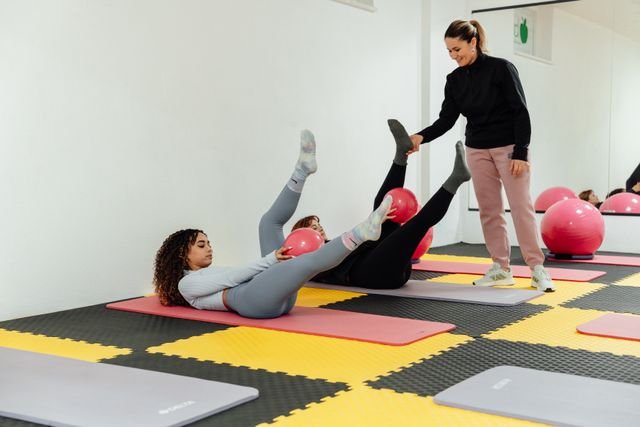
Becoming a Pilates instructor can turn a passion for movement, fitness, and wellness into a flexible and rewarding career. Pilates continues to attract people seeking to improve their strength, mobility, posture, and overall well-being, creating opportunities for knowledgeable instructors to help clients move safely and confidently.
However, building a sustainable career involves more than completing a certification course. Successful instructors continue developing their skills, establish professional relationships, gain practical teaching experience, and gradually build a reputation within their local fitness community.
Whether you hope to teach a few classes each week or eventually operate your own Pilates business, here are the key steps to consider.
Develop A Strong Personal Pilates Practice
Before teaching others, it helps to have significant experience practicing Pilates yourself.
Regular practice gives you a better understanding of how exercises feel, how different movements connect, and how instructors communicate technique. You will also experience different teaching styles, class structures, and approaches that can eventually influence how you teach your own clients.
Try practicing with multiple instructors rather than relying on one studio or teaching method. Exposure to different perspectives can make you more adaptable when working with clients who have different abilities, goals, and learning styles.
Complete A Recognized Pilates Certification
Professional training provides the foundation you need to teach Pilates safely. Certification programs generally cover subjects such as anatomy, biomechanics, exercise programming, cueing, modifications, and client assessment. Depending on the program, you may choose to specialize in mat Pilates or reformer Pilates, or complete a more comprehensive qualification that covers multiple Pilates equipment types.
Anyone researching how to teach Pilates should carefully compare training programs. Look at the curriculum, required teaching hours, instructor qualifications, practical assessments, and whether the certification is commonly recognized by studios in your area. A comprehensive program may require more time initially, but broader training can create additional employment opportunities later.
Gain Real Teaching Experience
Certification is only the beginning. Confidence develops through actually teaching.
New instructors may start by teaching friends, assisting experienced instructors, or taking substitute classes at local studios. These opportunities allow you to practice explaining exercises, monitoring multiple participants, correcting technique, and modifying movements when necessary.
Every client will respond differently to instruction. Some people understand visual demonstrations, while others respond better to verbal cues or simple anatomical explanations. Regularly teaching helps you learn to adjust your communication style based on the person in front of you.
Find Your Area Of Specialization
You do not necessarily need to specialize immediately, but developing expertise in a particular area can help differentiate you as your career progresses.
Possible specialties include:
- Reformer Pilates
- Athletic conditioning
- Prenatal and postnatal Pilates
- Pilates for older adults
- Mobility and flexibility
- Beginner instruction
- Private one-on-one sessions
Specialization can make it easier for potential clients to understand exactly how you can help them. It may also allow you to command higher rates as your experience increases. Continue taking workshops, classes, and continuing education programs so your knowledge evolves alongside your career.
Build Relationships Within The Fitness Community
Many Pilates teaching opportunities come through professional relationships. Introduce yourself to instructors, studio managers, physiotherapists, personal trainers, yoga teachers, and other professionals in your local wellness community. Attend classes at different studios and participate in workshops or fitness events. These relationships may lead to substitute teaching opportunities, referrals, private clients, or permanent positions.
Maintaining a professional reputation matters as well. Showing up prepared, communicating clearly, and treating clients respectfully can generate valuable word-of-mouth referrals.
Create Multiple Income Streams
Once you have teaching experience, consider diversifying your income. An instructor might combine group classes with private sessions, corporate wellness classes, online instruction, workshops, or specialty programs. Some instructors eventually rent their own studio space or open a dedicated Pilates business.
Having several income sources can provide greater financial stability, particularly when class attendance fluctuates throughout the year. It also gives you flexibility to discover which parts of Pilates instruction you enjoy most.
Treat Teaching As An Ongoing Learning Process
The strongest Pilates instructors remain students throughout their careers. Continue practicing, studying anatomy, learning new exercises, and observing other experienced instructors. Pay attention to client feedback and regularly evaluate which teaching methods produce the best results.
Your first classes may feel intimidating, but teaching typically becomes more natural with repetition.
A successful career as a Pilates instructor is rarely built overnight. It develops through education, consistent practice, practical experience, and strong relationships. By continuing to improve your skills while genuinely helping clients move and feel better, you can build a career that is both professionally sustainable and personally fulfilling.