

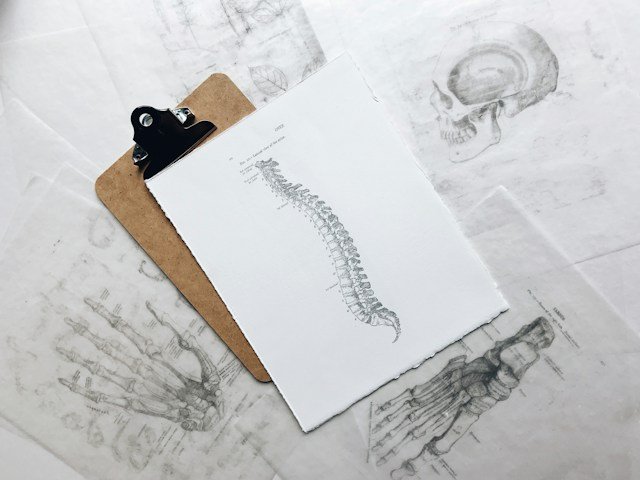
Spinal health plays an important role in maintaining physical comfort, mobility, and overall wellbeing. The spine supports the body’s structure, protects the spinal cord, and allows people to perform everyday movements such as walking, bending, and lifting. When spinal problems develop, they can interfere with daily activities and gradually reduce quality of life. For individuals experiencing persistent discomfort, consulting with a back pain doctor in Tennessee can provide access to specialist evaluation and information about treatment options for spinal conditions, including non-surgical care and spine surgery. Understanding how spine health influences different aspects of daily life can help individuals make informed decisions about their long-term wellbeing.
The Connection Between Spine Health And Physical Mobility
The spine is essential for maintaining balance, flexibility, and coordinated movement throughout the body. A healthy spine allows individuals to participate in physical activities without unnecessary discomfort or restricted movement. However, conditions such as herniated discs, spinal stenosis, and degenerative disc disease can limit mobility and make ordinary tasks more challenging.
Reduced mobility can also affect physical fitness and independence over time. Individuals experiencing ongoing back discomfort may avoid exercise, recreational activities, or even routine household responsibilities. This reduction in movement can contribute to muscle weakness, stiffness, and additional physical limitations.
How Spinal Problems Can Affect Sleep Quality
Sleep is essential for physical recovery, mental clarity, and overall health. Unfortunately, spinal discomfort can make finding a comfortable sleeping position difficult, particularly for individuals experiencing chronic back pain. Frequent nighttime discomfort may interrupt sleep and prevent the body from getting adequate rest.
Poor sleep can create additional challenges during the day, including fatigue, reduced concentration, and irritability. Over time, insufficient rest may also increase sensitivity to pain, making existing spinal problems feel more difficult to manage. Addressing sleep posture, mattress support, and underlying medical concerns can help improve comfort and sleep quality.
The Impact Of Chronic Back Pain On Mental Wellbeing
Chronic spinal discomfort affects more than physical movement and can influence emotional health. Individuals dealing with persistent pain may experience frustration, anxiety, or reduced motivation when they cannot participate in activities they previously enjoyed. The uncertainty surrounding recurring symptoms can also contribute to ongoing stress.
Physical discomfort and emotional well-being often influence one another, creating challenges that extend beyond the original spinal condition. Stress may increase muscle tension, while persistent pain can make relaxation and emotional recovery more difficult. A comprehensive approach to spinal care should therefore consider both physical symptoms and their psychological effects.
Everyday Habits That Support A Healthier Spine
Maintaining spinal health often begins with simple lifestyle habits that support proper movement and muscle function. Regular physical activity, including walking, swimming, and appropriate strengthening exercises, can help maintain flexibility and support the muscles surrounding the spine. Choosing activities suited to individual fitness levels can also reduce unnecessary strain.
Posture and workplace ergonomics are equally important for people who spend extended periods sitting or standing. Adjusting chair height, positioning computer screens correctly, and taking regular movement breaks can help reduce discomfort associated with prolonged inactivity. Maintaining a healthy body weight and using proper lifting techniques can provide additional support for long-term spinal health.
Recognizing When Professional Spine Care May Be Necessary
Although occasional back discomfort is common, persistent or worsening symptoms may indicate an underlying condition requiring medical attention. Pain that travels into the arms or legs, recurring numbness, or noticeable muscle weakness can sometimes suggest irritation or compression of spinal nerves. Seeking an appropriate medical assessment can help identify the cause and guide treatment decisions.
Treatment depends on the specific diagnosis, symptom severity, and individual health circumstances. Many spinal conditions can be managed through physical therapy, medication, activity modifications, or other conservative approaches. When these treatments do not provide sufficient relief, specialists may consider additional interventions, including surgery for carefully selected patients.
The Long-Term Benefits Of Prioritizing Spinal Health
Taking care of the spine can support greater independence and physical confidence throughout different stages of life. Maintaining strength, flexibility, and healthy movement patterns may help individuals remain active as they age. Preventive habits can also reduce certain risk factors associated with recurring back discomfort.
Long-term spinal care involves paying attention to physical changes rather than waiting until symptoms significantly disrupt everyday activities. Regular exercise, appropriate medical guidance, and adjustments to daily routines can contribute to better physical function. By making spine health part of a broader wellness strategy, individuals can support their mobility and overall quality of life.
Conclusion
Spine health influences many aspects of everyday living, from physical mobility and sleep quality to emotional well-being and independence. Although back discomfort can develop for several reasons, healthy lifestyle habits and timely medical attention can help individuals manage symptoms and maintain physical function. Understanding the importance of proper posture, regular exercise, and appropriate treatment allows people to take a more proactive approach to their health. By prioritizing spinal care and responding to persistent symptoms, individuals can work toward greater comfort, improved mobility, and a healthier quality of life.