

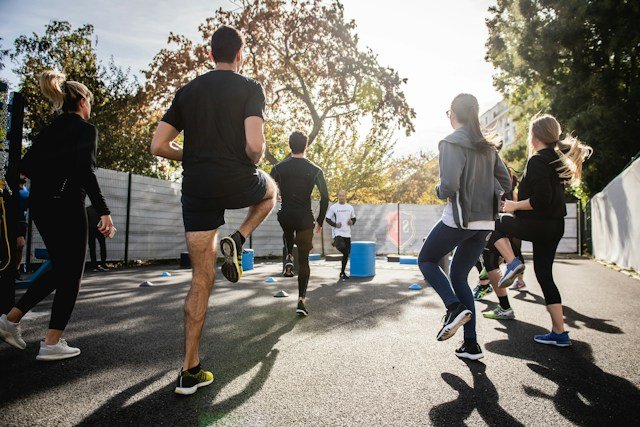
We might not realize it, but our surroundings have a subtle influence on how active we are. Think about it. With smooth sidewalks and a park nearby, you’ll feel naturally inclined to head outside more often.
A 2025 study involving more than 5,400 pairs of twins found that residents of more walkable neighborhoods spent more time walking, even after accounting for family-related factors.
This raises an interesting point about our relationship with physical activity. Personal motivation can only do so much when the environment makes movement difficult or uncomfortable.
Traffic congestion, limited public spaces, and neighborhood safety all influence how freely we can move throughout the day. Over time, these conditions can affect our activity levels and, consequently, our health.
Let’s take a deeper look at how our surroundings encourage or restrict an active lifestyle.
Street Design Is The Foundation For Healthy Living
We tend to treat exercise as a personal choice, but our streets shape it too. Researchers call this the built environment, which includes sidewalks, street connectivity, nearby destinations, and green space. However, simply providing these facilities doesn’t guarantee people will use them.
A 2025 study published in Nature Cities examined cycling infrastructure across 28 US cities. Areas that installed protected bike lanes saw a 4.3-fold increase in bicycle commuters compared with areas without new cycling facilities.
The distinction between protected and ordinary bike lanes is important. Physical separation from moving vehicles can make cycling feel considerably safer, particularly for less confident riders.
Walkability has a similar relationship with recreational activity. Researchers found that residents of highly walkable neighborhoods with park access had 48% higher odds of engaging in leisure and transportation-related physical activity.
Even small design choices, such as shaded pathways, accessible entrances, and well-placed benches, can make outdoor activity more comfortable for different age groups. Together, these features give residents greater flexibility to incorporate physical activity into their routines.
Active Neighbors Make Active Neighborhoods
Streets and parks set the stage, but the people around us often shape whether we show up. Researchers call this social cohesion, which covers trust, connection, and a shared willingness to look out for each other.
A 2025 study in the Journal of Physical Activity and Health followed U.S. adults using Fitbit step counts. Perceived social cohesion and walkability were each linked to higher daily step counts.
A separate 2025 study in Urban Science found neighborhood cohesion and leisure-time activity reinforced each other among older adults. In practice, a walking group or a neighbor’s invitation can make an evening stroll easier to accept.
Playing team sports like soccer, cricket, and basketball is one of the best ways to stay physically active. If your neighborhood has active sports groups, it’s easy to jump in, meet people, and keep a regular routine. Nobody has to find the motivation alone, since teammates share it. Streets and parks set the stage, and active neighbors help us make full use of them.
Feeling Safe Makes Staying Active Easier
A strong sense of security is among the key factors influencing people’s willingness to stay physically active. Cities with poor public safety can create psychological barriers that discourage residents from spending time outdoors.
Conversely, visible safety measures can give people greater confidence to move around their neighborhoods. Much depends on how thoughtfully an urban area addresses everyday security concerns.
Consider people who work long hours, sometimes well beyond the usual 9-to-5 schedule. For them, visiting a neighborhood gym after dark may be the only practical way to exercise regularly.
Well-lit streets, safe pedestrian routes, and active public areas can make these late-evening visits more comfortable, especially for women. Security in high-traffic public places, such as offices and community centers, also contributes to this broader sense of safety.
For instance, staffed security checkpoints and visitor screening can provide reassurance in facilities where large numbers of people gather.
In densely populated cities, many shopping malls, school buildings, and large recreational facilities use metal detectors as an additional security measure. Walk-in metal detectors can enable rapid screening of dangerous items in a non-invasive manner, notes GXC Inc.
The availability of reliable walk-through metal detector rental services in well-developed cities enables authorities to strengthen security without making substantial investments in permanent equipment.
Although such measures don’t directly influence physical fitness, they can contribute to people’s sense of security in shared environments. When residents feel comfortable visiting public places and moving around their communities, they’re less likely to avoid activities because of safety concerns.
This can indirectly support a more active lifestyle by making everyday movement and participation in community activities feel more accessible.
Better Air Quality Encourages Outdoor Activity
Fresh air is one of the reasons people enjoy spending time outdoors, especially when walking, jogging, or cycling. A pleasant outdoor environment makes exercise feel more enjoyable, encouraging people to spend longer periods outside and return more regularly.
This is particularly valuable for those who find indoor workouts repetitive or prefer incorporating physical activity into their everyday routines. However, the freedom to enjoy these activities also depends on the quality of the air in their surroundings.
For instance, residents living near busy highways or industrial areas may hesitate to exercise outdoors because of prolonged exposure to pollutants. Parents tend to limit their children’s time at neighborhood playgrounds when air quality is poor.
Dr. Susan Woolford, M.D., M.P.H., and pediatrician, echoed similar concerns in one of her recent interviews. “Being outdoors is generally good for children’s physical and mental health, but parents must also consider the risks of exposure to pollution,” she explained.
The concern becomes particularly relevant during exercise, when faster and deeper breathing can increase the amount of pollution entering the lungs.
Cleaner transportation, reduced traffic emissions, and walking routes away from major roads can help make outdoor exercise more accessible. Better air quality gives residents greater freedom to stay active without unnecessary exposure to harmful pollutants.
Frequently Asked Questions
What is a 15-minute city, and how does it support an active lifestyle?
A 15-minute city places daily essentials, such as shops, schools, and clinics, within a quarter-hour walk or bike ride. This setup can replace short car trips with walking. It also builds movement into everyday errands, so an active routine feels natural.
How much physical activity do adults need each week?
The WHO recommends 150 to 300 minutes of moderate activity each week, or 75 to 150 minutes of vigorous activity. Bouts of any length count toward these totals, so a brisk ten-minute walk after lunch adds up over the week.
What can I do if my neighborhood isn’t suited to outdoor exercise?
Try mall walking, home workouts, or indoor classes when outdoor options feel limited. Exercising with a friend or during daylight hours can also ease safety concerns. Even short home sessions help build the habit, and they can grow gradually as confidence grows.
Key Data Points At A Glance
| Factor | Key Finding |
| Walkable neighborhoods | A 2025 study of 5,400+ twin pairs linked walkability to more walking time, even after accounting for family factors. |
| Protected bike lanes | Across 28 U.S. cities, areas with new protected lanes saw 4.3 times larger increases in bicycle commuters. |
| Walkability with park access | Residents had 48% higher odds of leisure and transportation-related physical activity. |
| Social cohesion | Stronger perceived cohesion and walkability were each linked to higher daily step counts among U.S. adults. |
A Healthier Life Begins Close To Home
It’s easy to place the responsibility for fitness entirely on personal habits. However, our surroundings influence how practical those habits become, especially when work, family, and other commitments already compete for time.
Not everyone has the luxury of choosing an ideal neighborhood, and that’s worth acknowledging. Some changes require better planning and investment from local authorities, while others begin with residents taking a greater interest in their shared spaces.
The encouraging part is that improvements don’t always need to be ambitious to make a difference. Sometimes, making everyday activities a little more convenient is enough to help people move more consistently and enjoy healthier routines.