

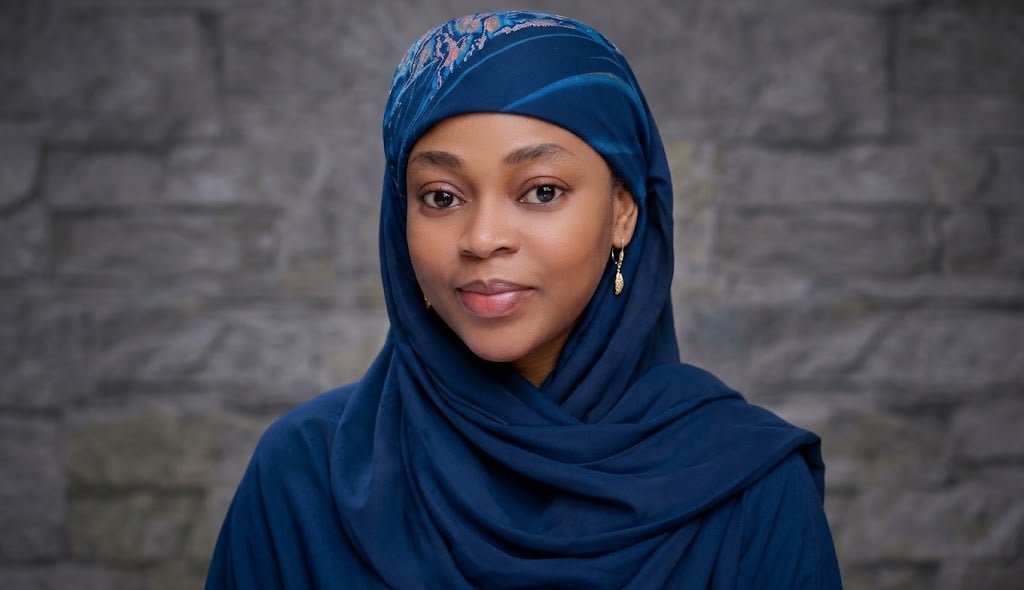
Recent cancer-related deaths in Nollywood have exposed the wider challenges confronting cancer patients in Nigeria, including late diagnosis, high treatment costs, and limited access to specialist care, physician and public health advocate Dr Zainab Suleiman Buhari has said.
Buhari, in a special report on cancer in Nigeria, said the death of veteran actor Taiwo Hassan, popularly known as Ogogo, actress Atinuke Remilekun Kareem and actress and producer Tope Osoba had brought renewed attention to the challenges confronting cancer patients across the country.
She said the cancer deaths in Nollywood reflected a wider public health crisis, noting that cancer was increasingly affecting Nigerians across different social and economic backgrounds.
ALSO READ: Cancer cases rising among Nigerians aged 18–39 — Oncologist
According to her, the major challenges confronting cancer patients in Nigeria include late presentation, the high cost of treatment and limited access to specialist care.
She noted that many patients delay seeking medical attention because of fear, cost, stigma or reliance on alternative remedies, while delays within the healthcare system could also arise from limited screening services, misdiagnosis and long waiting periods for biopsies and scans.
Buhari said the result was that many patients reached oncology specialists only after the disease had advanced significantly.
She cited the case of Tope Osoba, who reportedly said in interviews that a breast lump was initially attributed to childbearing changes before she insisted on further tests.
She also referred to Ogogo’s case, noting that his family had disclosed that his condition had advanced to the point where chemotherapy was no longer an option.
The physician further highlighted the financial burden of cancer treatment, citing Kareem’s public appeal for financial assistance before her death.
Kareem had said her family had spent substantial amounts on her treatment and that the assistance she received from the Theatre Arts and Motion Pictures Practitioners Association of Nigeria (TAMPAN) was insufficient.
“My family has spent a lot of money… TAMPAN has tried too, but it’s not enough,” Kareem said in the video.
She also appealed to Nigerians for assistance, saying she had two young children.
Buhari said chemotherapy, radiotherapy, surgery, targeted therapies and supportive care could collectively cost millions of naira, placing considerable financial pressure on families.
She noted that although the National Health Insurance Authority had expanded coverage for aspects of cancer care, many Nigerians remained exposed to significant out-of-pocket expenses.
On access to specialist care, Buhari said Nigeria continued to face gaps in cancer treatment infrastructure, including radiotherapy equipment and specialist services.
She said the concentration of specialised facilities in a few urban centres often forced patients from other parts of the country to travel long distances for treatment, creating additional costs for transportation and accommodation.
Cancer burden
Buhari cited GLOBOCAN 2022 estimates, which put Nigeria’s annual cancer burden at about 127,763 new cases and 79,542 deaths.
She said breast, cervical, prostate and colorectal cancers were among the most common cancers affecting Nigerians.
According to her, the figures showed that the cancer burden extended far beyond the entertainment industry, with thousands of ordinary Nigerians battling the disease without attracting public attention.
“Cancer often develops silently, with symptoms appearing only after the disease has progressed. This makes awareness, prevention, screening and early diagnosis particularly important,” she said.
She urged Nigerians to seek medical attention when they notice persistent or unusual changes in their bodies instead of self-medicating or relying solely on unverified remedies.
She identified persistent lumps in the breast, armpit, neck or groin; unexplained bleeding; persistent cough or hoarseness; changes in bowel or bladder habits; and unexplained weight loss as some warning signs that should not be ignored.
Call for improved cancer care
Buhari called on governments at all levels to invest more in cancer infrastructure and expand access to radiotherapy machines, pathology laboratories, diagnostic facilities and essential cancer medicines.
She also urged the government to expand health insurance coverage and strengthen primary healthcare facilities to enable healthcare workers to recognise cancer warning signs and make timely referrals.
She said private organisations, non-governmental organisations and the media could complement government efforts through screening programmes, public education campaigns, workplace health initiatives and information dissemination in local languages.
Buhari also called for greater efforts to tackle the stigma surrounding cancer, noting that some Nigerians still attributed the disease to spiritual causes or regarded a cancer diagnosis as an automatic death sentence.
She said the experiences of public figures who openly discussed their battles with cancer could help encourage more Nigerians to seek early medical attention.
As the entertainment industry continues to mourn its latest cancer victims, Buhari urged Nigerians not to wait until symptoms became severe before seeking medical care.
She said the cancer deaths in Nollywood should serve as a reminder of the need for greater awareness, early detection, affordable treatment and stronger cancer care infrastructure across Nigeria.
WATCH TOP VIDEOS FROM NIGERIAN TRIBUNE TV