

The Obafemi Awolowo University Teaching Hospitals Complex (OAUTHC), Ile-Ife, has called for improved access to nurturing care, inclusive education and affordable assistive technology for children and adolescents living with cerebral palsy.
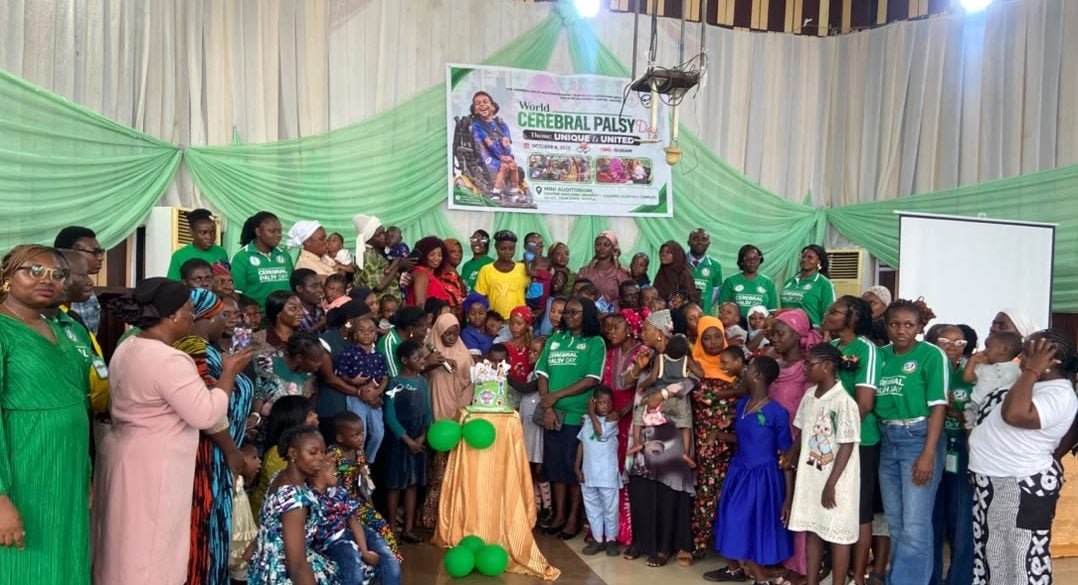
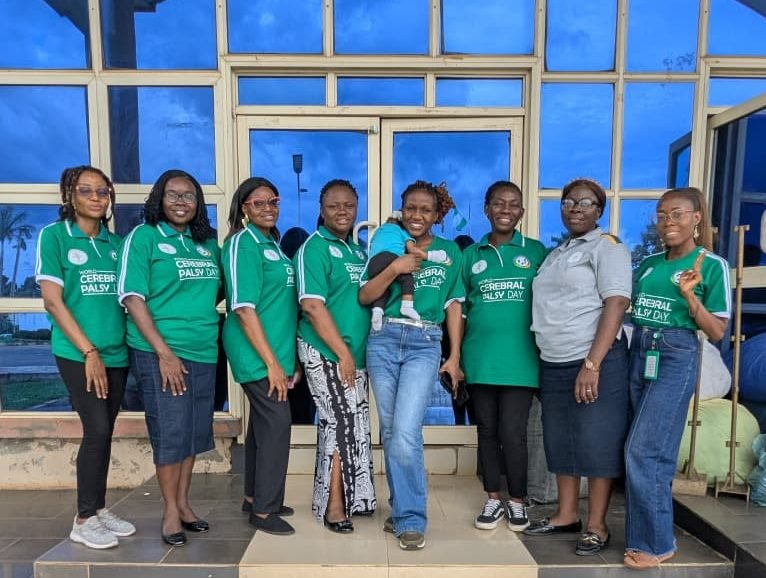
The call was made during the commemoration of World Cerebral Palsy Day on Tuesday, October 6, 2026, organised by the hospital’s Child Development Centre and Cerebral Palsy Multidisciplinary Team.
The event, themed “Unique and United,” brought together 175 participants, including children and adolescents with cerebral palsy, parents, caregivers, healthcare professionals and other stakeholders, to promote awareness, early intervention and inclusion.
Held at the Mini Auditorium of OAUTHC, the programme provided a platform for discussions on practical ways to improve care and support for families.
Participants were reminded that although cerebral palsy can affect movement, posture and balance, every child has unique abilities, interests and aspirations that should be recognised and supported.
In a goodwill message delivered via Zoom, the Chief Medical Director of OAUTHC, Professor John Okeniyi, commended the organisers, parents, caregivers, healthcare workers and children for their contributions to the programme.
He reaffirmed the hospital’s commitment to improving care for children and adolescents with cerebral palsy, with attention to their individual needs, dignity and inclusion.
The Physician in Charge of Phases III and IV, Professor Elijah Oyetola, described the commemoration as an opportunity to celebrate children living with the condition and encouraged parents to embrace their children with joy and optimism.
He assured families of the hospital’s continued commitment to providing appropriate medical support and acknowledged the contributions of caregivers and other stakeholders to children’s growth and development.
Oyetola also stressed the importance of early recognition, assessment and intervention for developmental concerns, urging parents and caregivers to seek professional support promptly when they notice possible delays.
The programme highlighted the importance of a multidisciplinary approach involving paediatricians, therapists, psychologists, nutritionists and other professionals to address children’s physical, developmental, behavioural, nutritional, communication and educational needs.
Representing the Osun State Field Office of the World Health Organisation (WHO), Mr Seyi Awokulude emphasised disability rights, access to quality healthcare and inclusion in education, technology, employment and public life.
ALSO READ: FG clarifies alleged plan to introduce fuel tax
He urged stakeholders to identify and remove barriers that prevent children and adolescents with cerebral palsy from participating fully in their communities.
Awokulude stressed that inclusion required more than goodwill, calling for accessible services, supportive environments and coordinated action.
An Associate Professor of Neurodevelopmental Paediatrics and leader of the Cerebral Palsy Multidisciplinary Team, Dr Oluwatosin Olorunmoteni, explained that cerebral palsy comprises lifelong conditions affecting movement, posture and balance, resulting from injury to the developing brain before, during or shortly after birth.
She said the condition was not contagious. Although the underlying brain injury does not progress, its effects on an individual can change over time. Some people with cerebral palsy may also experience challenges involving communication, vision, hearing, learning, epilepsy or pain.
Olorunmoteni identified the main movement-related types as spastic, dyskinetic, ataxic and mixed cerebral palsy, but emphasised the importance of understanding each person beyond the diagnosis.
She explained that while some people with cerebral palsy could walk independently and participate in sports, others might use wheelchairs or communicate through tablets and non-verbal gestures.
She said all children had abilities, preferences and aspirations that deserved recognition.
Olorunmoteni stressed that early support and an appropriate environment could make a meaningful difference, urging families and professionals to set goals with each child, communicate clearly, coordinate care and focus on participation and development rather than assumptions about individual limitations.
Olorunmoteni said every child needed nurturing care, adding that early identification of developmental concerns and integrated support could improve outcomes for children with developmental delays and disabilities, including cerebral palsy.
She commended the Federal Government’s efforts to promote inclusive and comprehensive early childhood development interventions through the Nigerian Early Childhood Development Project, led by the Human Capital Development Office with support from the World Bank and other partners.
The presentation highlighted how early childhood development programmes could support early identification, timely intervention and developmental progress through therapy, caregiver education, appropriate play and inclusive practices.
It also noted that integrating cerebral palsy identification and intervention into early childhood development programmes could empower families, reduce stigma and help children access essential support during their early years.
The presentation cited the Osun State Early Childhood Development Project, implemented between 2024 and 2025 through a partnership between OAUTHC and the Royal College of Paediatrics and Child Health, United Kingdom.
The nurturing care framework was also highlighted as a practical approach encompassing good health, adequate nutrition, responsive caregiving, opportunities for early learning, and safety and security.
For children with cerebral palsy, participants were told these needs were interconnected. Health services and rehabilitation should complement appropriate nutrition, while caregivers needed practical guidance and emotional support. Children should also have opportunities to play, communicate and learn according to their abilities in safe and accessible environments.
The event further highlighted developmental screening for children aged zero to five as a way of identifying possible delays and connecting families with timely assessment and support.
Participants were reminded that screening did not replace clinical assessment or mean that every developmental delay was caused by cerebral palsy. Rather, it could help parents and health workers identify concerns early and determine appropriate next steps.
The programme stressed that early childhood development required cooperation among caregivers, health workers, teachers, social services and communities to ensure that children received coordinated support at home, in healthcare facilities and in schools.
A panel discussion gave parents and caregivers the opportunity to raise concerns and receive guidance from members of the multidisciplinary team, including physiotherapists, occupational therapists, dieticians, social workers, psychologists and educators.
One of the highlights of the event was a talent showcase by adolescents living with cerebral palsy, who demonstrated their abilities through fashion design, customised clothing, dancing, singing and recitation.
The Appropriate Paper-Based Technology (APT) team demonstrated how locally available and recyclable materials, including waste paper and cardboard, could be used to produce customised assistive equipment.
The devices displayed were designed to support sitting, standing, positioning and mobility, while reducing the physical strain associated with carrying children from place to place.
WATCH TOP VIDEOS FROM NIGERIAN TRIBUNE TV