

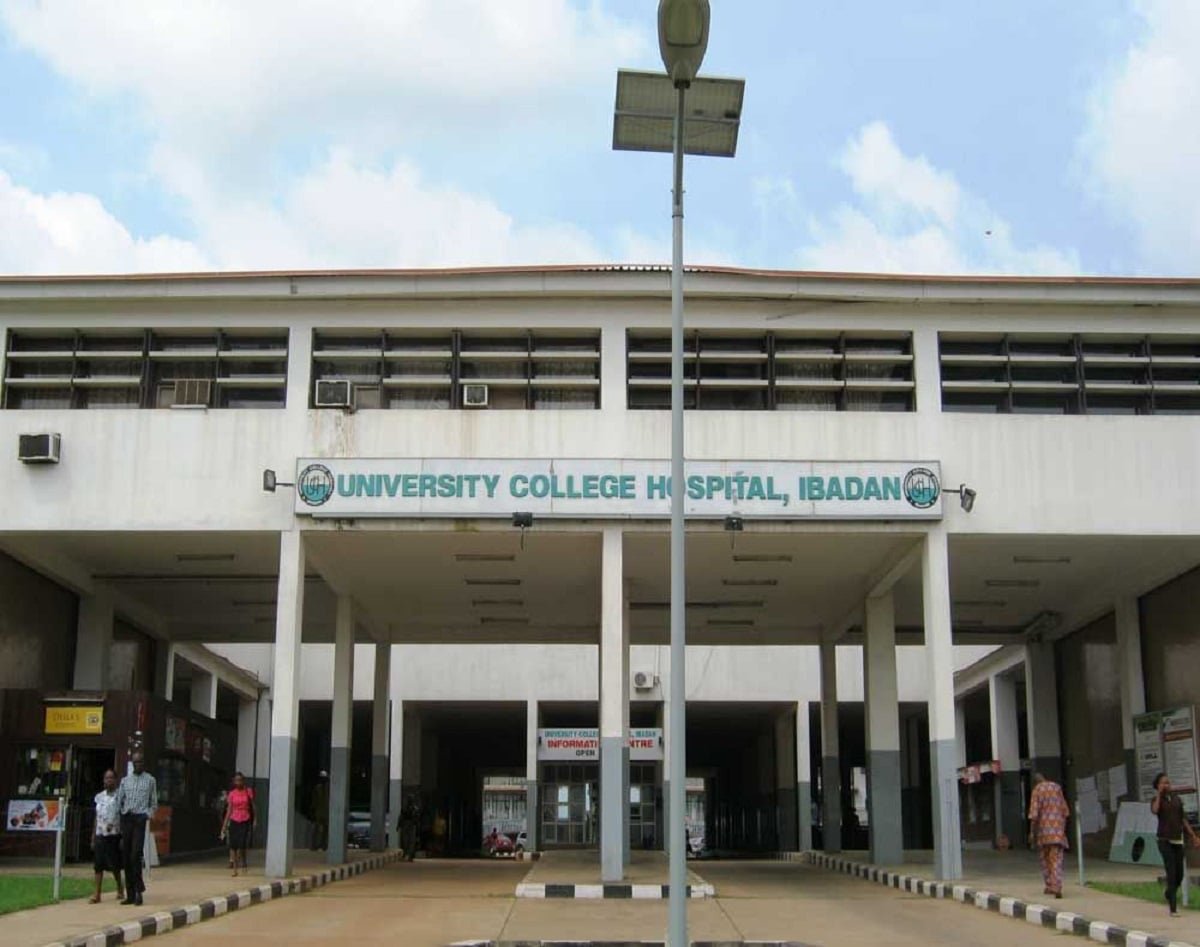
The Medical and Dental Consultants’ Association of Nigeria (MDCAN), University College Hospital (UCH), Ibadan Branch, has raised the alarm over worsening manpower shortages, prolonged salary delays and inadequate medical equipment at federal hospitals, warning that the crisis is putting additional pressure on an already overstretched health system.
The association called on the Federal Government to urgently constitute boards for federal tertiary hospitals, release funds approved for critical medical equipment and decentralise the Integrated Personnel and Payroll Information System (IPPIS) to end prolonged delays in the payment of newly employed and transferred health workers.
Chairman of MDCAN-UCH, Dr Oluseyi Akande, made the demands yesterday at a press briefing at UCH, Ibadan, as part of the association’s 2026 Annual General Meeting.
ALSO READ: Police condemn alleged abuse of seven-year-old girl in Anambra
He said the continuing migration of highly skilled health workers abroad had left some hospital departments without resident doctors, forcing consultants to perform duties meant for lower cadres.
“People are leaving every time. And so government thought of increasing the production so that we can be able to have enough people as much as possible. Because what we have now, there’s a lot of shortage in the hospital,” he said.
He said the manpower crisis had worsened since the COVID-19 pandemic, noting that doctors were still seeking to leave the country.
“As the chairman of MDCAN, this month alone, I have signed two or three of our members asking to leave,” Akande said.
He also expressed concern over the Federal Government’s decision to increase admission quotas for medical students without corresponding improvements in infrastructure and teaching capacity.
He warned that admitting more students without adequate facilities and personnel could compromise the quality of medical education.
“The implication is that the training is not going to be standard. If you have 350 students and you don’t have a hall that can take 350 students, what do you do?” he said.
Akande stressed that medical education required sustained contact between students and their trainers, stating, “Medicine is an apprenticeship. There has to be continuous contact with your trainer to actually know the art and science of medicine.”
He urged the government to increase staffing in the Colleges of Medicine and compensate existing lecturers and consultants who would have to handle the additional workload.
The MDCAN chairman also condemned prolonged salary delays under IPPIS, saying some health workers had gone six to eight months without receiving their salaries.
“Now that we have gone on IPPIS, we have seen people going for six months, eight months without salaries,” he said.
Describing IPPIS as excessively centralised, Akande said it was unrealistic for one office to manage employment and salary issues involving the country’s numerous universities, teaching hospitals and other institutions.
“IPPIS is too centralised, and it’s causing a lot of problems with the salaries of our members,” he said.
He disclosed that some professors had experienced unresolved IPPIS-related problems for as long as five years, although several cases had recently been resolved.
The association also criticised the delay in releasing funds for capital projects already approved for UCH.
The hospital, he said, had completed procurement procedures for several pieces of medical equipment under the 2025 capital budget but was still waiting for the approved funds to be released.
“How do you explain that in September 2026, funds have not been released for the capital project for 2025? So when do we start to implement the one for 2026?” he asked.
He specifically cited the hospital’s endoscopy equipment, saying the existing system was purchased in 2012 and needed replacement.
He warned that equipment failure could have serious consequences for patients requiring urgent gastrointestinal investigations.
The association also appealed to Nigerians to stop attacking doctors, nurses and other health workers over challenges arising from inadequate equipment, staffing and other systemic problems.
Akande recounted an incident involving a paediatric consultant who was allegedly attacked by the parent of a child who died after a specialised catheter required for dialysis was unavailable.
He urged patients and relatives who believe they have received inadequate care to use available complaint mechanisms and the courts rather than resorting to violence.
Asked what he would tell the President about improving Nigeria’s hospitals, Akande had a simple prescription.
“Number one, funding. Number two, funding. Number three, funding,” he said.
“Healthcare is capital intensive. And it’s more like a social service. Because when we take care of the people, it’s an investment that’s worth it. You need healthy people to work for the country.”
Akande said Nigeria remained far below the required benchmark in healthcare financing and would need substantially greater investment to improve its health indices.
WATCH TOP VIDEOS FROM NIGERIAN TRIBUNE TV