

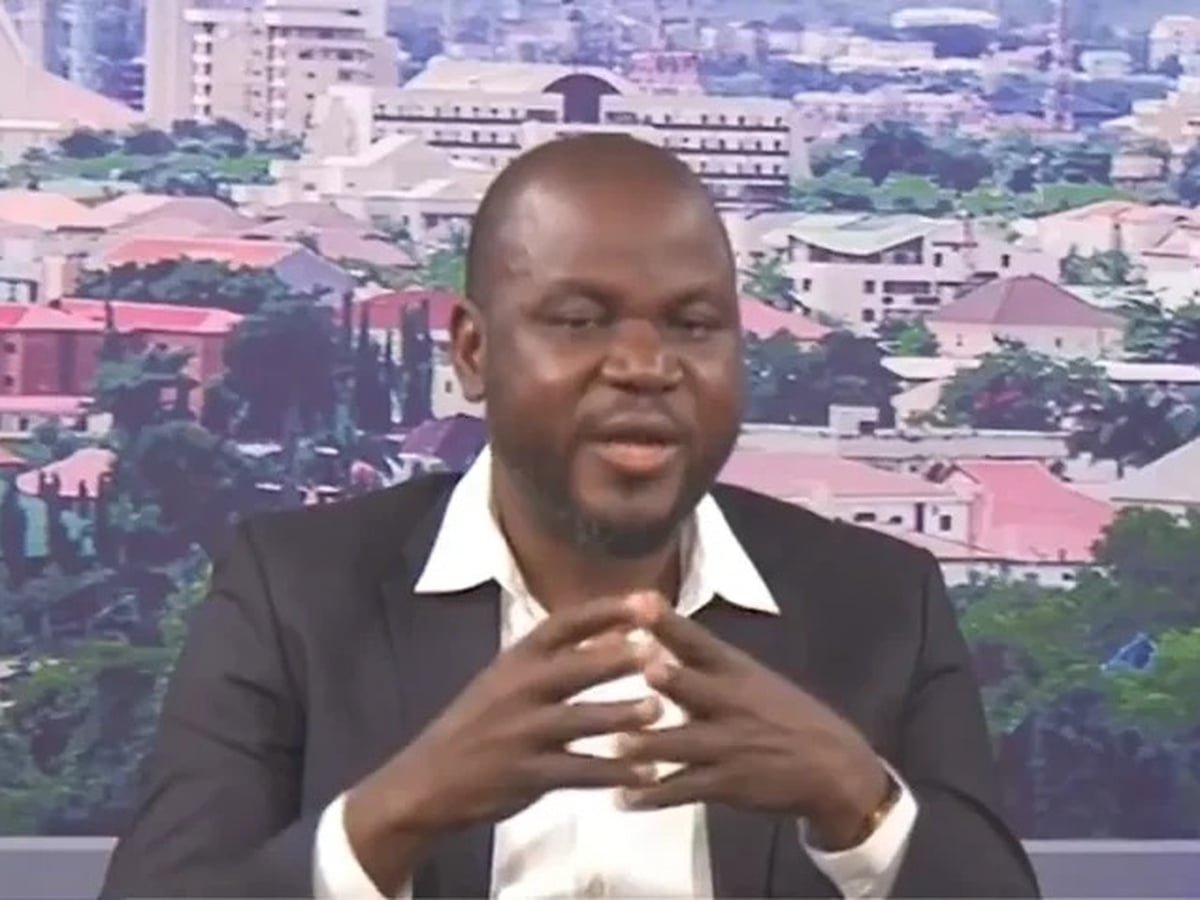
A Consultant Plastic Surgeon, Dr Torngee Malu, has said no fixed monetary value exists for a human kidney, dismissing the idea that organ donation should be reduced to a straightforward sale price.
Malu spoke on Tuesday on Channels Television’s Morning Brief, amid an ongoing investigation into alleged kidney harvesting and human trafficking in Nigeria. Asked about the ideal value of a kidney donated through due process, he said the law only allowed for reimbursement or compensation, without pegging a specific price to an organ.
“I will still have to follow the law. If you go to the US or the UK, they say there should be reimbursement, what people may call compensation.
“Now, the question is, what do you consider as compensation? What will you consider as compensation enough? Even if you have a relative that donates a kidney for you, what will you really consider as compensation? It’s relative.”
The surgeon argued that framing organ donation around money misrepresents who actually needs transplants, noting that kidney disease cuts across income lines and should not be treated as a rich person’s problem.
“People also think that kidney failure only affects rich people. It doesn’t, it affects a lot of poor people. So, if we talk of putting a monetary value to it, that’s not a good way to look at it. The question is: Who needs it? Who wants to give it? Who is willing to do it at this rate? So, it’s not about a fixed rate to give for kidneys. There’s no fixed rate. Poor people are affected, rich people are affected. We should make it available to as many people that want to have it.”
Malu also drew a sharp line between legitimate kidney transplantation, which he described as a highly specialised procedure, and illegal organ trafficking, saying the two should not be conflated. He noted that the legal framework guiding organ donation had since been broadened by guidelines the Federal Ministry of Health issued in 2025.
On how demanding the procedure is, he said only trained specialists could carry out kidney harvesting, ruling out the possibility of it being done casually or by just any medical practitioner.
“It’s very, very difficult to harvest the kidney. I’m a surgeon, I’ve been practicing for years, I’m a plastic surgeon—I cannot harvest a kidney. Even a general surgeon cannot just go and harvest a kidney. The kidney is one of the most hidden organs in the body; it requires only a specialist that can do that.”
Describing how the process unfolds, he explained that both donor and recipient are brought into the same theatre once tests and matching are complete, with separate teams handling the harvesting and the transplant itself.
“Now, they bring in the person who wants to donate the kidney into the theater, and they bring in the person who wants to receive the kidney into the same theater. There’s a team that is responsible for harvesting the kidney—they harvest it, and then they give it to the team that is going to transfer. It’s not the same team that harvests that transfers.”
ALSO READ: US singer Lionel Richie hospitalised in ICU after St Louis concert
He added that timing is critical, as a harvested kidney becomes unusable if it is not transferred quickly enough.
“So you see, it’s a very, very technical process. Because if you keep the kidney for some time, it dies off, it’s no more useful.”
Malu urged the public to separate genuine kidney donation from trafficking, insisting that the case currently under investigation had been wrongly characterised.
“So, that is why I said we have to differentiate kidney trafficking from kidney donation. This case we’re dealing with is kidney donation that is being put out there as if it’s kidney trafficking. It’s actually kidney donation; it’s poor information that is giving rise to all this.”
His comments come against the backdrop of a police sting operation on August 19 at Auta Balifi in the Karu Local Government Area of Nasarawa State, which led to the arrest of four suspects: Emmanuel Ode, 23; Dr Benjamin Oyime, 48, a nephrologist and consultant to Wellington Hospital, Life Camp, Abuja; Dr Daniel Otukpa, 53, also a nephrologist and Acting Director of Clinical Services at Wellington Hospital; and David Idoko, 25.
The Force Public Relations Officer, CSP Ani Iniedu, alleged that Ode confessed to recruiting victims under false pretences. Police further alleged that one victim was lured to Wellington Hospital in April 2026, where his kidney was harvested after he was paid $1,250, while another victim allegedly underwent a similar procedure in 2022.
WATCH TOP VIDEOS FROM NIGERIAN TRIBUNE TV