

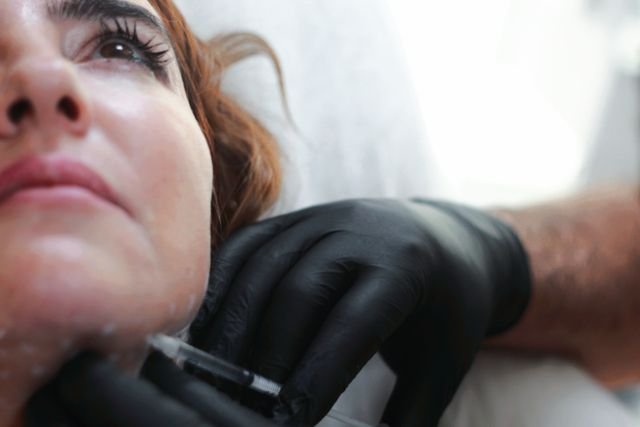
Booking Botox, filler, or a laser treatment has never been easier. A few taps on your phone, and you’ve got an appointment. That convenience has a downside: Most people spend more time researching a new blender than the person who will inject their face.
Med spas are medical practices. The treatments they offer use prescription drugs, medical devices, and needles, and outcomes depend heavily on the training and judgment of the person holding them. The good news is that a practice’s website, reviews, and online listings reveal a lot about how it operates, if you know where to look.
After years of working behind the scenes on med spa websites, I can tell you that the warning signs are usually right there in plain sight. Here are nine red flags to check before you book, and what a trustworthy practice shows instead.
The 9 Red Flags
1. You can’t find out who will actually treat you
If the website talks about “our expert team” but never names a single injector, nurse, or physician, be cautious. A confident practice shows its providers by name, with photos, credentials, and experience.
What good looks like: individual bios listing each provider’s license type (MD, DO, NP, PA, or RN), certifications, years of experience, and the treatments they perform.
2. No medical director is listed
In most US states, med spas must operate under the supervision of a licensed physician or other qualified medical professional. If you can’t find any mention of a medical director, you have no way to know who’s overseeing safety, protocols, and complications.
What good looks like: a named medical director with their specialty, plus a clear explanation of how supervision works.
3. Credentials don’t check out
A bio that says “certified injector” sounds reassuring, but that phrase can mean a weekend course. Professional licenses are public record.
What good looks like: you can look up the provider’s name on your state’s medical or nursing board website and find an active license with no disciplinary actions. It takes about two minutes.
4. The prices look too good to be true
Deep discounts on injectables are one of the biggest warning signs in aesthetics. Authentic, properly stored product costs practices real money. Prices far below the local average can point to diluted product, unapproved imports, or inexperienced injectors. In 2024, the CDC warned about harmful reactions linked to counterfeit or mishandled botulinum toxin, many given by unlicensed people or in non-medical settings.
What good looks like: clear price ranges with an explanation of what affects cost, and named, FDA-approved brands such as Botox, Dysport, Xeomin, Juvederm, or Restylane.
5. The before-and-after photos feel off
Watch for photos with different lighting, angles, or makeup between the before-and-after shots, heavy filters, or images that appear on several unrelated websites. You can run a reverse image search to check whether photos are stock or borrowed.
What good looks like: consistent, unfiltered photos of real patients, labeled with the treatment, the number of sessions, and ideally the provider who performed it.
6. The reviews are all five stars and all vague
A wall of short, glowing reviews posted within a few weeks of each other is suspicious. So is a practice with a great rating on its own website and a very different picture on Google, Yelp, or RealSelf.
What good looks like: a steady stream of detailed reviews over months or years, mentioning specific treatments and providers by name, and calm, professional responses to the occasional negative review.
7. The website promises things medicine can’t
“Permanent results.” “Totally painless.” “Zero downtime.” “Guaranteed.” Responsible practices avoid absolute language because every patient responds differently and every treatment carries some risk.
What good looks like: honest descriptions of typical results, how long they last, expected recovery, and possible side effects.
8. There’s no mention of risks or who shouldn’t get treated
If a treatment page reads like a sales brochure with no word about side effects, contraindications, or complications, the practice may treat consultations the same way.
What good looks like: clear information on who is and isn’t a good candidate, what side effects are common, and what the practice does if something goes wrong.
9. The basic details don’t match
Different addresses, phone numbers, hours, or even business names across the website, Google Maps, and social media can signal a practice that has moved around, rebranded after problems, or simply isn’t well run.
What good looks like: consistent contact details everywhere, a real physical clinic address (not a salon chair or hotel room), and an easy way to reach a person with questions.
Your Five-Minute Pre-Booking Checklist
Before you hand over a deposit, run through this list:
- I know the name of the person who will treat me.
- I found their active license on my state board’s website.
- The practice names a medical director.
- The prices are in line with other local practices, and the brands used are named.
- The before-and-after photos look consistent and original.
- Reviews on Google and at least one other site are detailed and spread out over time.
- The website explains risks, side effects, and who isn’t a good candidate.
- The address, phone number, and hours match everywhere I looked.
- I can book a consultation before committing to treatment.
If a practice fails more than one or two of these, keep looking. There are plenty of excellent, careful providers in nearly every city to choose from.
Frequently Asked Questions
Who is allowed to inject Botox and fillers?
It depends on your state. Physicians, physician assistants, nurse practitioners, and registered nurses can typically inject, often under physician supervision. Estheticians generally can’t. Check your state’s medical or nursing board for the rules where you live.
How can I check a med spa provider’s license?
Search the provider’s full name on your state medical board website (for physicians and PAs) or state board of nursing website (for NPs and RNs). Most states offer a free online license lookup.
Are cheap Botox deals safe?
Not always. Very low prices can mean diluted product, unapproved imports, or less experienced injectors. Ask which brand is being used and whether it was purchased directly from the manufacturer or an authorized distributor.
Should I trust a med spa with only five-star reviews?
A perfect rating isn’t a problem on its own, but look for detail and consistency. Real reviews mention specific treatments, providers, and experiences, and they’re spread out over time across more than one platform.
What should I ask at my first consultation?
Ask who will perform your treatment, how many times they’ve done it, which product or device they use, what side effects to expect, and what happens if you have a complication or are unhappy with your results.
The bottom line
A beautiful website and an Instagram feed full of glowing faces aren’t proof of a safe practice. Names, licenses, honest pricing, real photos, and consistent details are. Spend five minutes checking before you book, and you’ll walk into your appointment confident that the person treating you has earned your trust.
Author Bio
Thomas Conroy is Owner and VP of Organic Growth at Skinspire, a digital marketing agency for medical spas and aesthetic practices. He works with med spa owners on websites and online visibility, and has seen firsthand what separates trustworthy practices from the rest.