

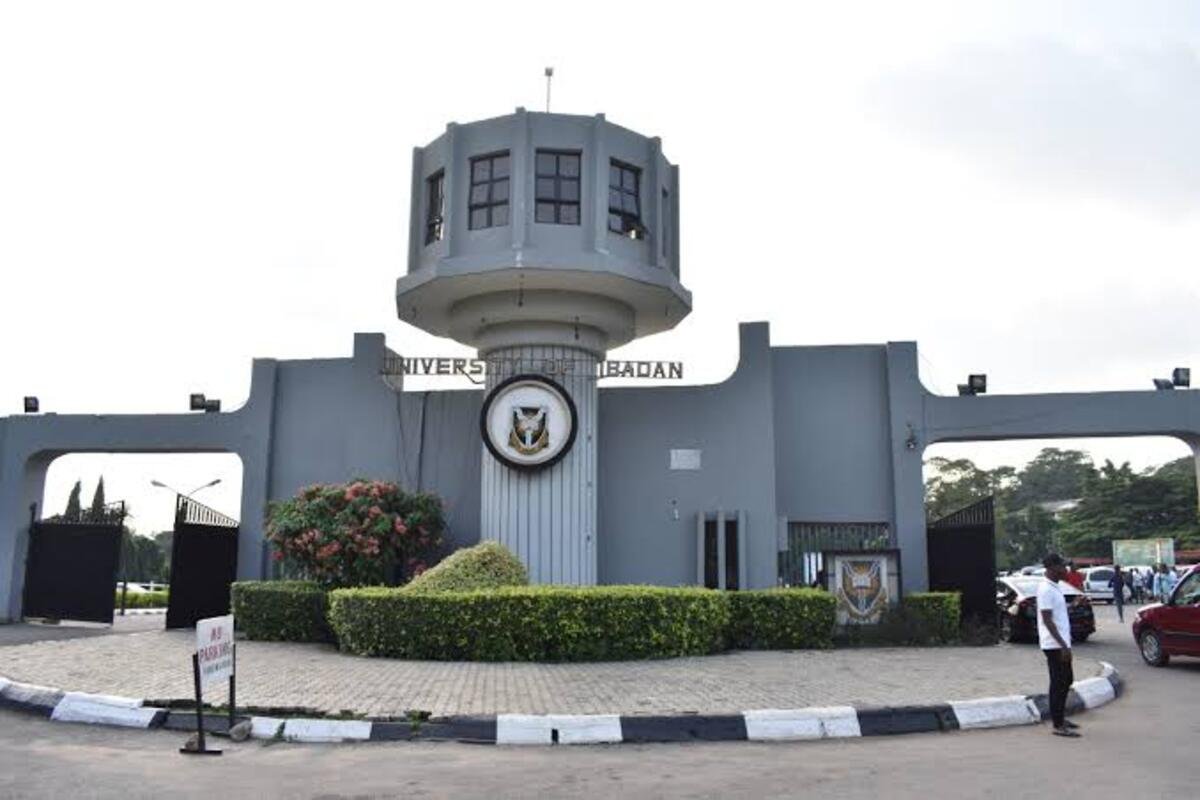
The Department of Psychology, University of Ibadan, has proposed a Psychology for National Transformation (PNT) agenda to address Nigeria’s security challenges through psychological interventions, behavioural insights, rehabilitation and conflict resolution.
Speaking during a press briefing to mark the department’s 50th anniversary on Tuesday, the Head of Department, Professor Aderemi Alarape, who spoke on behalf of the department, said the country could not overcome banditry, insurgency and communal conflicts through military force alone, stressing the need to incorporate psychological strategies into national security planning.
Professor Alarape called on the Federal Government to recognise the human mind as one of the country’s most critical national resources.
The HOD lamented that Nigeria had concentrated heavily on physical infrastructure and kinetic security measures while neglecting the psychological dimensions of national development and insecurity.
He said: “The challenges of banditry, insurgency and communal strife cannot be solved by the barrel of the gun alone. We must invest in the psychology of radicalisation, rehabilitation and reintegration.”
Under the proposed agenda, the don urged the government to integrate behavioural and psychological insights into public policymaking and establish a National Behavioural Insights Unit.
According to the proposal, the unit would ensure that government policies, including those relating to taxation, healthcare and security, are designed with a better understanding of human behaviour and decision-making.
He also advocated greater investment in understanding the psychological factors responsible for radicalisation, with emphasis on interventions that could prevent recruitment into violent groups and support the rehabilitation and reintegration of former insurgents and other perpetrators of violence.
He further called for nationwide psychological interventions to promote empathy, tolerance and social cohesion, noting that the psychological roots of tribalism and prejudice must be addressed through shared goals, perspective-taking and emotional intelligence.
On the role of families, the department said strengthening the family institution was essential to building a psychologically healthy society. It urged governments to equip parents with positive parenting skills and establish community-based family resilience programmes.
Professor Alarape also called for the full integration of psychological services into primary healthcare centres across the country, describing mental health as a fundamental human right and an essential component of overall healthcare.
He said the proposed national transformation agenda was backed by the department’s five decades of academic and professional contributions, including the development of specialised postgraduate programmes in legal, criminological and security psychology.
While highlighting the contributions of Psychology alumni to national development, another lecturer in the department, Professor Benjamin Nyitor Shenge, called on them to support the department’s proposed legacy projects, including an alumni scholarship endowment and an advanced research and technology hub.
He said the 50th anniversary was not merely an opportunity to reflect on the department’s achievements but also a platform to reposition psychological science as a tool for addressing Nigeria’s pressing national challenges.
Current and former lecturers of the department were present at the event, where they spoke about how psychology had shaped their lives.
WATCH TOP VIDEOS FROM NIGERIAN TRIBUNE TV