

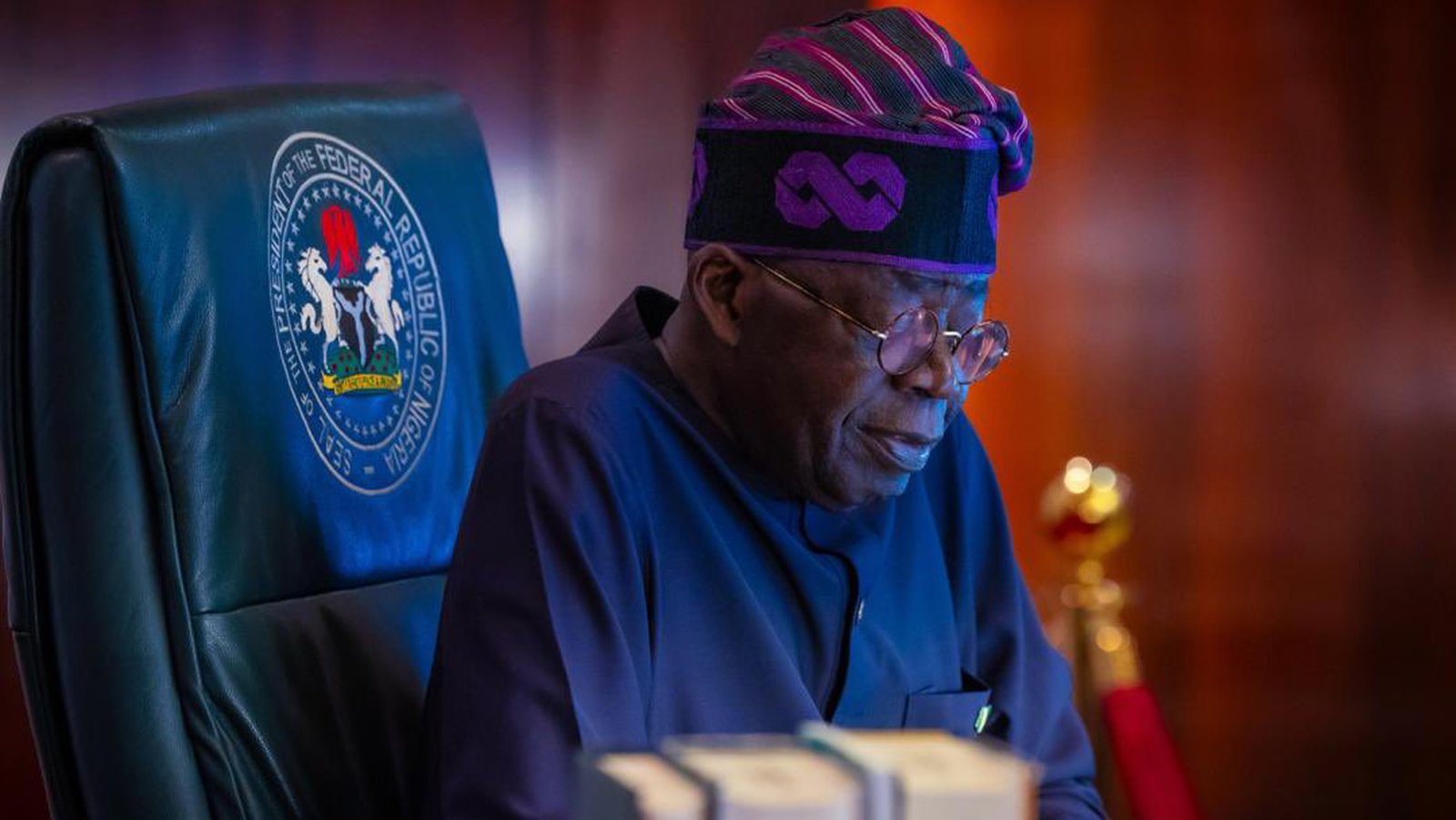
In an open letter to the President, Bako appealed to Tinubu to allow the Independent National Electoral Commission, INEC, to conduct the elections as scheduled, arguing that shifting the polls would not resolve the economic hardship, insecurity and public dissatisfaction confronting Nigerians.
Bako, who said he places national interest above party politics, drew parallels with the postponement of the 2015 general election under former President Goodluck Jonathan, arguing that the delay did not prevent Jonathan from losing the election to Muhammadu Buhari.
However, Bako said the decision was widely perceived by the opposition and some observers as politically motivated, with concerns that the delay could favour the incumbent and weaken the opposition’s campaign.
He argued that despite the six-week extension, Jonathan eventually lost the election, with Buhari securing 15,424,921 votes against Jonathan’s 12,853,162 votes.
Bako also praised Jonathan’s subsequent decision to concede defeat and congratulate Buhari, describing it as a significant moment in Nigeria’s democratic history.
In the letter, the political analyst outlined five lessons he believes Tinubu should learn from Jonathan’s experience, including that postponing elections does not necessarily reverse public anger, could strengthen opposition mobilisation, increase campaign spending and erode confidence in the electoral commission.
“Shifting election does not shift people’s hunger and anger accumulation,” Bako wrote, citing economic hardship, insecurity and dissatisfaction as issues he believes could influence the 2027 election.
He further argued that postponement could reinforce opposition narratives of electoral manipulation, potentially bringing together political forces that might otherwise remain divided.
Bako also warned that any perceived interference by the Presidency in INEC’s affairs could damage the commission’s credibility and weaken public trust in the electoral process.
The writer acknowledged arguments that elections could be postponed over security threats, health emergencies, logistical challenges or the need to improve electoral technology.
However, he argued that any decision to alter the election date should be based on verifiable evidence presented by INEC, rather than political considerations or pressure from the Presidency.
He proposed that any postponement should be transparent, within constitutional limits and not designed to favour the incumbent.
Bako urged Tinubu to publicly reaffirm his commitment to the election timetable, avoid unnecessary meetings with the INEC chairman that could raise suspicions of interference, address security and health challenges, allow opposition parties to campaign freely and commit to accepting the election outcome.
He also called on the President to sign the peace accord and publicly pledge to congratulate whoever emerges victorious should he lose the election.
In his closing remarks, Bako said Nigerians should be allowed to exercise their voting rights without unnecessary disruption, arguing that the country’s democratic process should not be subjected to political convenience.
“Let INEC be INEC. Let people vote. Let democracy win. History will not forget you,” he wrote.