

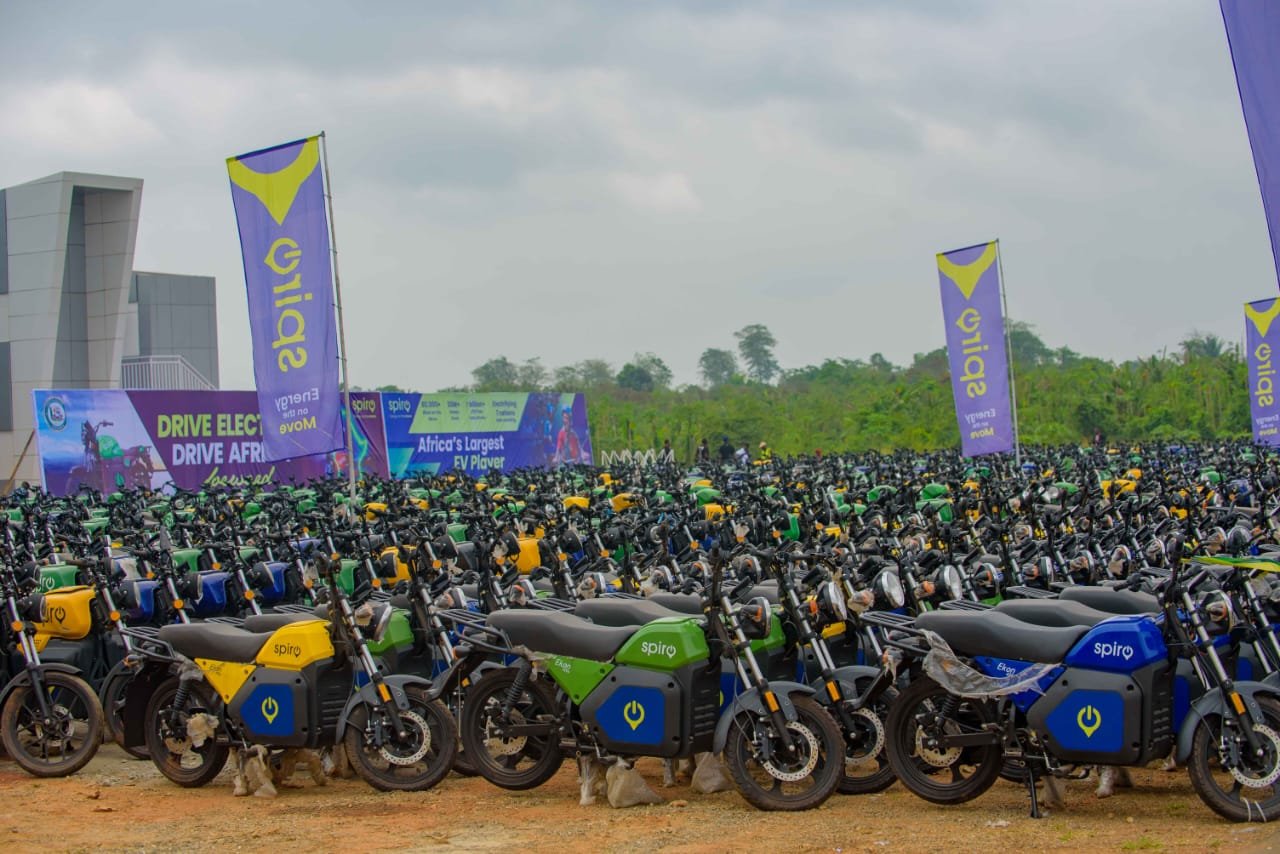
Kenya’s largest electric mobility company, Spiro, is taking its campaign for cleaner transport beyond roads and into football stadiums after signing a one-year partnership with Gor Mahia FC, betting that the country’s biggest football fan base can help accelerate the adoption of electric mobility.
The agreement, announced on Tuesday, makes Spiro the Official Electric Mobility Partner of Gor Mahia for the 2026/27 football season. While the deal is a sports sponsorship on the surface, it reflects a broader strategy to use football’s cultural influence to make electric vehicles more familiar and acceptable to ordinary Kenyans.
Read also: Spiro secures additional $55m to scale electric mobility in Africa
The partnership highlights a growing trend among technology and clean energy companies across Africa. Instead of relying mainly on traditional advertising, firms are increasingly using sports, entertainment and community engagement to introduce new technologies to the public and build trust.
Throughout the football season, Spiro and Gor Mahia will organise matchday activations, fan engagement programmes and digital campaigns designed to educate supporters about electric motorcycles, battery-swapping technology and sustainable transport.
For Spiro, the partnership provides direct access to one of East Africa’s largest football audiences at a time when competition in the electric mobility sector is increasing across the region.
“Football has an unmatched ability to connect people, communities and ideas. Gor Mahia’s reach and influence make the club an ideal partner as we continue expanding conversations around electric mobility in Kenya. We look forward to demonstrating how electric mobility can support everyday livelihoods and economic growth,” said Vishal Mittal, country head of Spiro Kenya.
The company believes that greater public awareness will encourage more commercial motorcycle riders and small businesses to consider switching from petrol-powered bikes to electric alternatives that offer lower operating costs.
The move also reflects Kenya’s growing position as one of Africa’s leading electric mobility markets. Rising fuel prices, government support for clean transport and expanding charging and battery-swapping infrastructure have encouraged companies to invest heavily in electric motorcycles, particularly for the boda boda sector, which transports millions of passengers every day.
Spiro says it now operates more than 28,000 electric motorcycles, over 450 battery-swapping stations spread across 37 counties and has completed more than six million battery swaps. The company estimates its vehicles have travelled over 200 million kilometres while reducing carbon emissions compared with conventional motorcycles.
Industry analysts say awareness remains one of the biggest barriers to wider electric vehicle adoption in Africa. While many riders recognise the lower running costs of electric motorcycles, concerns about charging infrastructure, battery availability and long-term reliability continue to slow adoption.
By partnering with Gor Mahia, one of East Africa’s most recognised football clubs, Spiro hopes to close that awareness gap by engaging supporters in familiar environments rather than relying solely on commercial marketing.
For Gor Mahia, the agreement provides additional commercial revenue while strengthening engagement with its supporters.
“Football clubs today need strong partnerships to remain competitive and deliver value to their supporters. We are pleased to welcome Spiro Kenya as our Official Electric Mobility Partner and look forward to a relationship that supports the club’s ambitions while bringing supporters closer to the team,” said Ambrose Rachier, chairman of Gor Mahia FC.
Eliud Owano, patron of Gor Mahia FC, said the partnership demonstrates how football can become a platform for innovation and community development beyond sport.
“Gor Mahia has always been more than a football club. We are pleased to welcome Spiro Kenya into the Gor Mahia family and look forward to creating greater awareness of electric mobility and its potential to positively impact communities across Kenya,” he posited.
Read also: Spiro expands electric mobility in Ogun with 1,000 bikes
The collaboration also reflects a wider shift in Africa’s green economy, where companies are increasingly linking sustainability campaigns with popular culture to reach younger consumers. If successful, the partnership could become a model for how sports organisations and clean technology firms work together to encourage behavioural change while expanding commercial opportunities.
For Kenya, where motorcycles are central to urban mobility and rural transport, that combination of football and electric mobility could prove to be a powerful tool in accelerating the country’s transition to cleaner transportation.

Get Newsletter Updates
Enjoying our column?
Subscribe to our specialised **Tech Pulse** feed to receive fresh reports and analyses directly in your inbox.

