

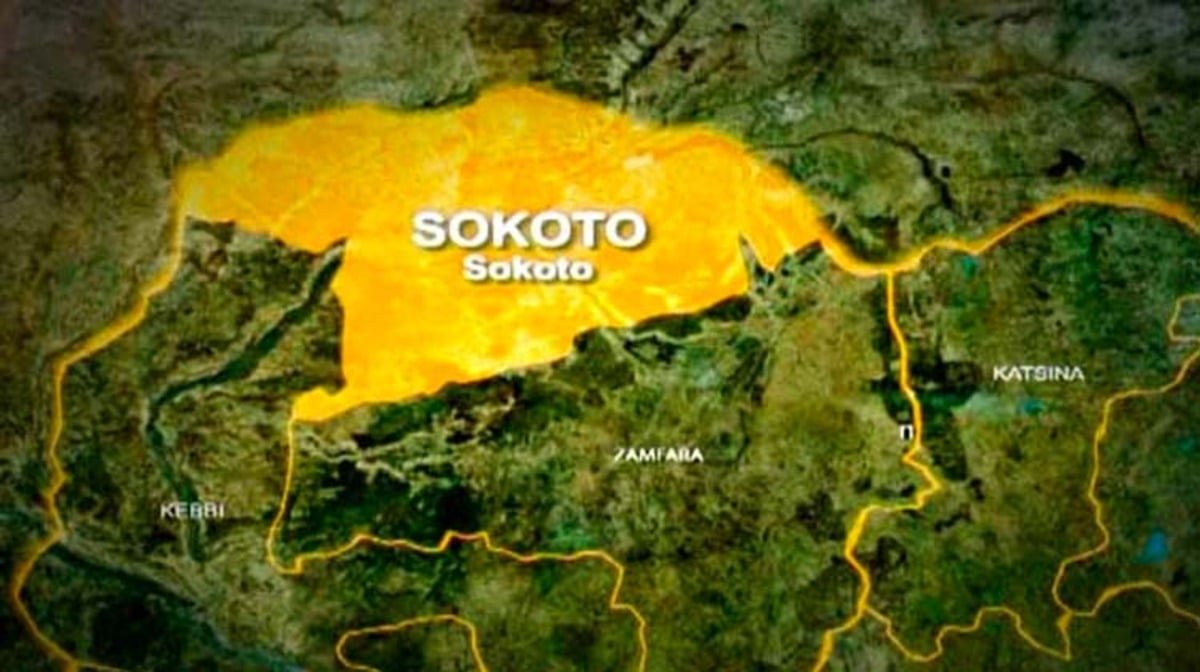
The Sokoto State Government has begun consultations with stakeholders ahead of the preparation of its 2027 budget, with UNICEF disclosing that it spent about N13bn on various development interventions in the state during the current fiscal year.
The Chief of UNICEF Sokoto Field Office, Mr Michael Juma, disclosed this during a state-level town hall meeting on the proposed 2027 budget held in Sokoto.
Juma also commended the state government for its performance in implementing the 2026 budget, which he put at 33 per cent as of September 2026.
He praised the government for its collaboration with UNICEF in improving planning and budgeting, data-driven decision-making, healthcare and nutrition, education, child protection, skills development, legal identity, and water, sanitation and hygiene.
The UNICEF official also acknowledged the government’s efforts to strengthen the capacity of personnel across the education, health, judiciary and social protection sectors, as well as legislators and other policymakers.
He said UNICEF’s N13bn intervention included the procurement of Ready-to-Use Therapeutic Food (RUTF) to support the treatment of malnourished children.
ALSO READ: Sokoto begins screening for 250 community midwifery scholarship beneficiaries
Juma urged the state government to ensure the timely release of budgetary allocations, provide dedicated funding for nutrition and social protection at the local government level, and improve access to legal identity and social health insurance.
He further called on the government to make children’s welfare a central consideration in the preparation and implementation of the 2027 budget.
In his remarks, Governor Ahmed Aliyu said the consultations were designed to give residents an opportunity to communicate their needs and contribute directly to the state’s budgetary decisions.
The governor, who was represented at the meeting, said the government had concluded consultations across the three senatorial zones, covering all 244 political wards in the state.
He said the recommendations gathered from the engagements would be considered for inclusion in the 2027 budget, subject to available financial resources.
According to him, “This engagement provides an opportunity for our people at the grassroots level to express their needs, identify development priorities, highlight challenges affecting their communities and contribute directly to the preparation of the proposed 2027 budget.”
Aliyu said the government recognised that residents understood the challenges confronting their communities better, particularly in education, healthcare, roads, water supply and agriculture.
“Our people understand their needs and challenges better than anyone else. They know where schools require additional classrooms, where health facilities need rehabilitation, where roads require attention and where water supply is inadequate,” he said.
He, however, noted that the government would have to prioritise competing demands in view of limited financial resources.
“The 2027 budget must be realistic, affordable and implementable. It must reflect credible revenue projections, appropriate expenditure planning and a clear understanding of the state’s fiscal capacity,” he said.
The governor listed security, education, healthcare, agriculture, water and sanitation, rural roads, electrification, transportation, housing, urban renewal, payment of gratuities and support for internally displaced persons and vulnerable groups among the areas of intervention under the 2026 budget.
He said many of the ongoing interventions were informed by recommendations made by residents during previous budget consultations.
Responding to UNICEF’s observations, the Permanent Secretary of the Ministry of Budget and Economic Planning, Alhaji Buhar Umar, called for a balanced assessment of budget performance, particularly in accounting for interventions funded directly by development partners.
He explained that some development partners’ activities were not reflected in the state’s budget, creating challenges in assessing the overall performance of government spending.
On nutrition, Umar disclosed that Governor Aliyu had approved the state’s participation in an accelerated nutrition programme targeting five local government areas.
He also revealed that the governor had approved funding for the procurement of motorcycles for social protection enumerators across the state’s 23 local government areas to accelerate the registration of vulnerable households.
“Just yesterday, we wrote a memo to the governor informing him of the need to accelerate social protection registration. To achieve this, we need to buy motorcycles for the 23 local government enumerators. Just yesterday, His Excellency approved the amount,” he said.
Umar said the government would invite UNICEF to participate in the initiative, adding that stakeholders’ recommendations at the town hall meeting would be collated and considered before the budget proposal was presented to the State House of Assembly.
He urged participants to submit their recommendations through suggestion boxes provided at the venue, assuring them that their contributions would receive appropriate consideration.
WATCH TOP VIDEOS FROM NIGERIAN TRIBUNE TV