

… ask FG to incorporate findings into government policy decisions
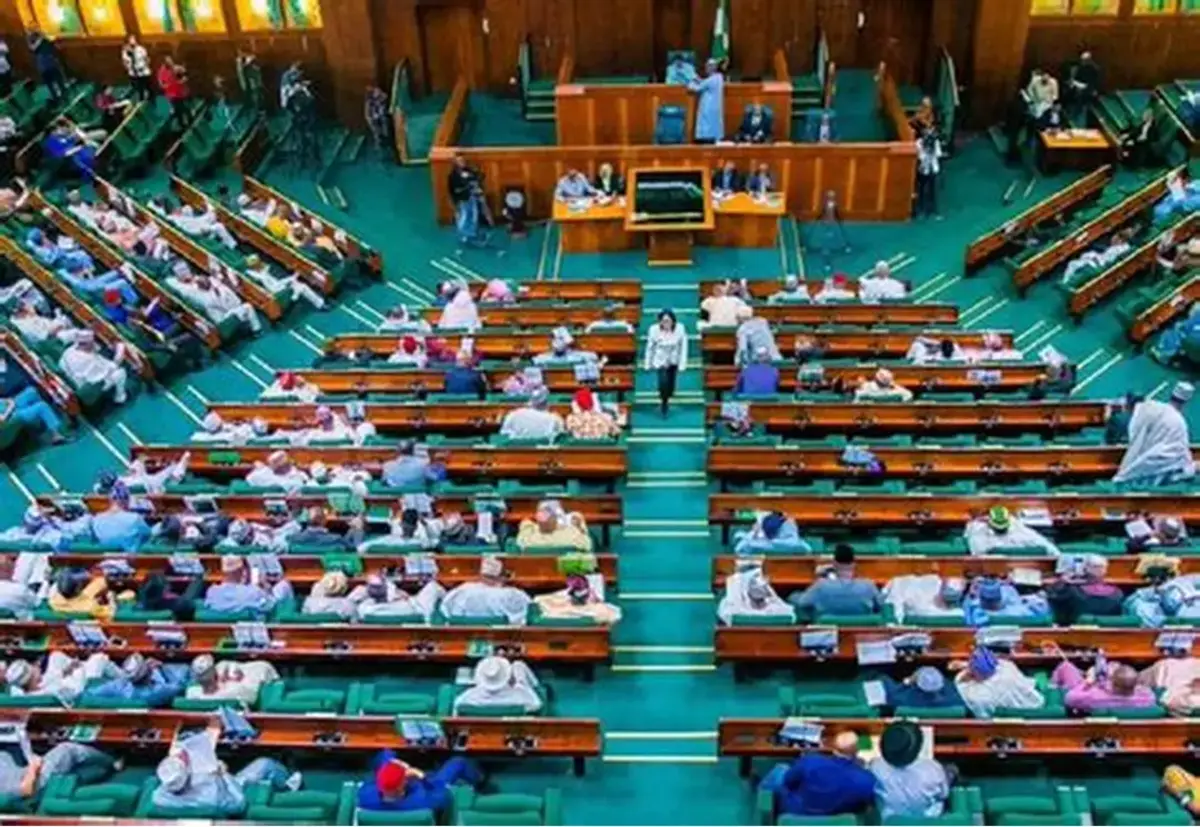
The House of Representatives on Tuesday called on the Federal Government to establish a formal mechanism requiring ministries, departments and agencies (MDAs) to review and respond to strategic research findings, lamenting the poor implementation of publicly funded research capable of addressing Nigeria’s economic, security and developmental challenges.
- … ask FG to incorporate findings into government policy decisions
The resolution followed the adoption of a motion sponsored by the Deputy Minority Whip, Hon. Abdussamad Dasuki, who advocated institutionalising the consideration and utilisation of research findings in national policy formulation, development planning and governance.
To ensure that research findings influence public expenditure and national development priorities, the House urged Federal Ministry of Budget and Economic Planning, in collaboration with Budget Office of the Federation, to integrate relevant findings into national development plans, the Medium-Term Expenditure Framework (MTEF), Fiscal Strategy Paper (FSP), Medium-Term Sector Strategy (MTSS) and annual budget preparation.
Under the proposed framework, the lawmakers urged Federal Government, through the Office of the Secretary to the Government of the Federation (OSGF), to establish a coordinated system for receiving, reviewing, referring and monitoring strategic research recommendations from the National Institute for Policy and Strategic Studies (NIPSS), Kuru; National Defence College (NDC), Abuja; and National Institute for Security Studies (NISS).
The framework would require relevant MDAs to formally communicate their decisions on research recommendations referred to them, indicating whether they had been accepted, modified, deferred or rejected, with reasons for their decisions and details of proposed implementation measures where applicable.
Hon. Dasuki also proposed periodic reporting on the consideration and implementation of the recommendations, with appropriate summaries made available for accountability and policy evaluation, subject to confidentiality requirements.
The lawmakers also cited Section 3 of the National Institute for Policy and Strategic Studies Act, which empowers the institute to conduct interdisciplinary research and present practical policy options to authorities responsible for national policymaking and implementation. They further referenced Sections 13 and 18 of the Fiscal Responsibility Act, 2007, which provide for consultation in preparing the MTEF and establish the framework as the basis for annual budget preparation.
On national security, the House called on Office of the National Security Adviser, in collaboration with relevant defence, intelligence and security authorities, to develop appropriate procedures for considering and utilising research findings from the NDC and NISS while protecting classified information and national security interests.
Contributing to the debate, Hon. Joe Onuakalusi lamented that Nigeria’s major challenge was not the absence of research but the failure to implement findings capable of stimulating economic growth, promoting local production and reducing dependence on imports.
“Nigeria is not lacking in research funding; what Nigeria is lacking is implementation of those funds, a hard work of netting,” Hon. Onuakalusi said, arguing that substantial resources had been invested in research across different sectors without corresponding practical results.
Citing research into the production of bread from cassava flour, the lawmaker expressed concern that Nigeria had failed to commercialise a locally developed solution while other countries were making progress in using cassava flour for bread production.
“So, years back, there was research on how to leach cassava to make bread. And by the leaching of cassava to make bread, it was dropped midway. But other countries, where such research came into being, are today up to 70% of the cassava to make bread, but we are still importing flour for bread,” he said.
Onuakalusi maintained that research should move beyond the publication of reports to implementation, commercialisation and the production of goods that benefit citizens.
Also supporting the motion, Hon. Stanley Olajide said Nigerian research institutions had developed recommendations and solutions to many of the country’s problems, yet policymakers frequently travelled abroad in search of answers that could be obtained locally.
ALSO READ: Reps receive Tinubu’s bill to facilitate transfer of prisoners to foreign countries
“These agencies that we have, they are doing a fantastic job. And oftentimes we travel abroad to look for solutions. Whereas most of the research institutions that we have in Nigeria have actually done research. They actually have recommendations and solutions for a lot of our problems,” Olajide said, urging his colleagues to support the initiative to strengthen public institutions and promote national development.
The House unanimously adopted the motion and mandated its Committees on National Planning and Economic Development, National Security and Intelligence, Defence, and Special Duties to engage the relevant institutions, monitor implementation of the proposed framework, and report back within four weeks.
WATCH TOP VIDEOS FROM NIGERIAN TRIBUNE TV