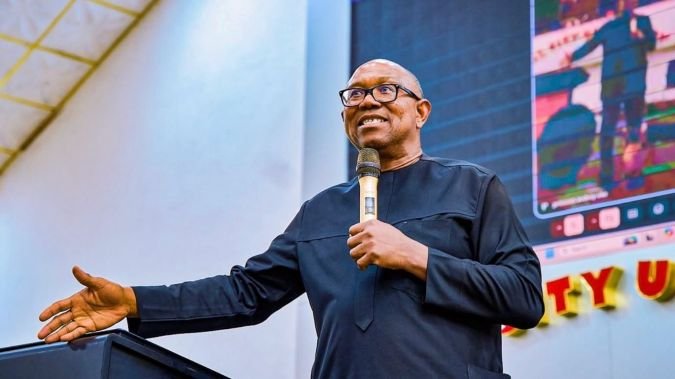
He contrasted that experience with what he described as troubling developments in Nigeria’s electoral system, particularly the role of educated professionals in alleged electoral malpractice. “So if you look at that and look at what is happening today in Nigeria, where professors are now aiding illiterates to rig election,” he said. Obi also criticised the removal of forgery as an offence in electoral matters, questioning the implications of such a development for the credibility of elections and the country’s democratic institutions.
“Where our lawmakers have removed forgery as an offense in electoral matter,” he said. The former governor further criticised the involvement of senior lawyers in cases involving alleged electoral wrongdoing, as well as the conduct of some religious leaders in relation to politicians accused of criminality.
“Our senior advocates of Nigeria are defending forgery. Our religious leaders are now praying for criminal politicians for blessing,” Obi said.
He said the combination of these developments pointed to a deeper crisis in Nigeria’s democratic system, warning that the problem extended beyond elections to the institutions responsible for protecting democratic values.
“We have a crisis and above all our judges are singing on your mandate we stand,” he said.
Obi’s remarks centred on the need to confront the normalisation of electoral malpractice and strengthen the institutions responsible for upholding the integrity of Nigeria’s democracy.
The comments came against the backdrop of wider concerns over electoral credibility, the independence of the judiciary and the ability of citizens to hold political leaders accountable through democratic processes.