

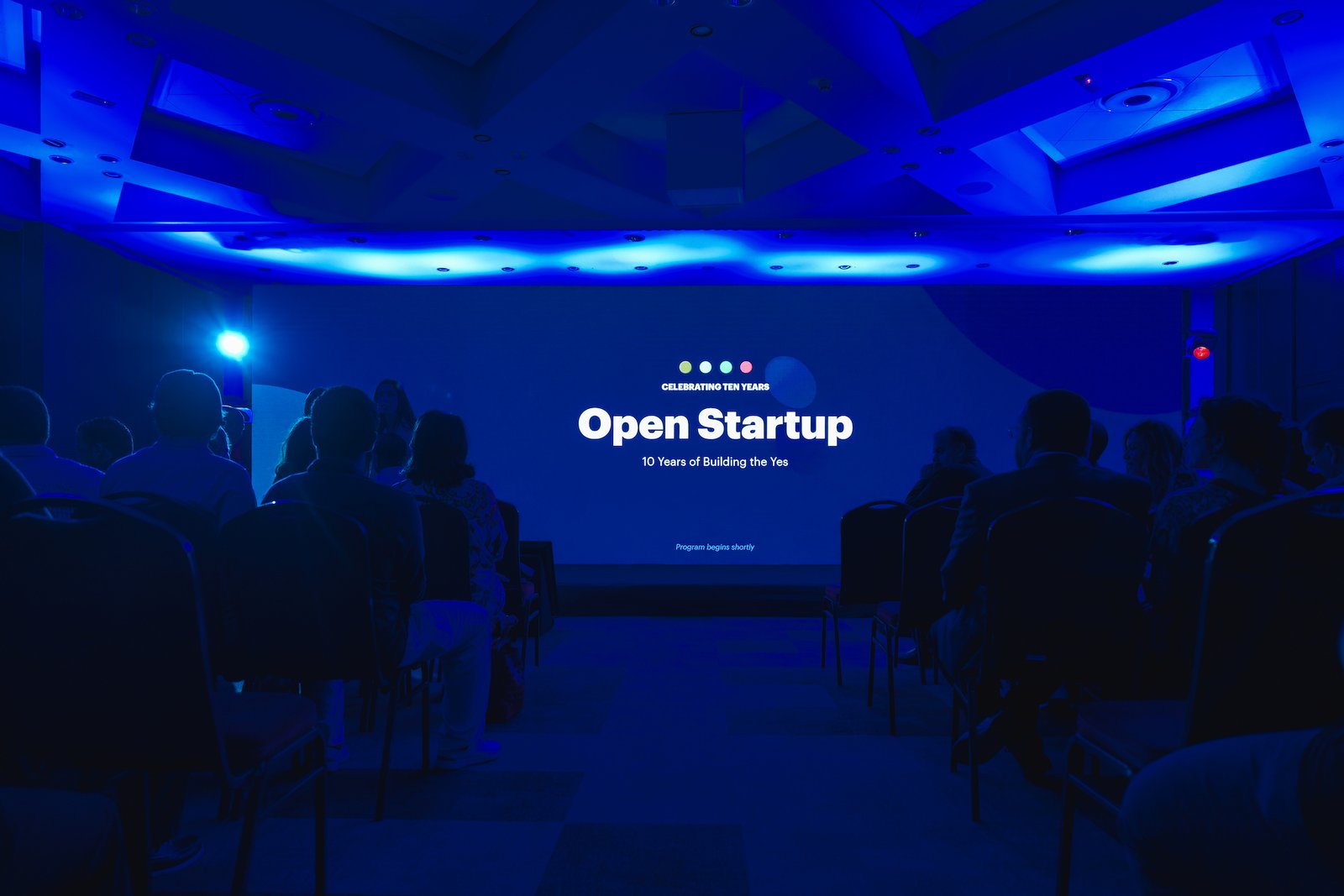
Open Startup is changing course after helping more than 1,000 startups and over 3,000 entrepreneurs across Africa over the past decade, betting that the continent’s next wave of innovation will come from laboratories, research centres and deep technology ventures.
This is even as the pan-African entrepreneurship organisation on Monday unveiled ‘The Science Road’, a new strategy designed to help scientific discoveries become commercially successful businesses. The initiative marks a major shift in the organisation’s mission as it celebrates its 10th anniversary since its launch in Tunisia in 2016.
The new direction will focus on startups developing research-driven solutions in healthcare, climate technology, artificial intelligence and other science-based sectors, while introducing an early-stage investment vehicle, ‘Openers First-, to help promising ventures bridge one of Africa’s biggest funding gaps.
The move comes as African innovation ecosystems continue to mature, with investors and development partners increasingly looking beyond fintech and consumer internet startups towards technologies capable of addressing pressing challenges in healthcare, food security, climate resilience and industrial development.
Read also: Africa’s startup ecosystem raises $843m in five months
Open Startup said The Science Road brings together all its existing programmes under a single acceleration platform that connects founders, scientists, universities, investors, corporations and policymakers, helping research-led ventures move from scientific discovery to commercially viable businesses.
The organisation has spent the past ten years building one of Africa’s broadest innovation support networks.
Since its establishment, it has worked with founders in more than 20 African countries, helping over 1,000 startups prepare for investment and growth. It has also developed a community of more than 500 mentors, advisers and industry experts, trained over 300 startup coaches and supported ventures that have gone on to raise investment, create jobs and remain active well beyond their participation in its programmes.
Houda Ghozzi, founder and chief executive officer of Open Startup, said the organisation’s second decade would be centred on unlocking Africa’s scientific and technological potential.
“For ten years, Open Startup has worked to help entrepreneurs build ventures and access opportunities. As we enter our second decade, we do so with greater maturity, a broader continental footprint, and a renewed ambition.
“We believe The Science Road can become a runway connecting Africa’s innovators to the world, unlocking new opportunities for collaboration, investment and scientific advancement, while helping build a new narrative between Africa and the world: one defined by contribution, innovation and shared prosperity,” Ghozzi said.
Unlike software startups that often require relatively little capital to reach customers, science and deep technology ventures typically face longer development timelines, higher research costs and greater technical risks. Many struggle to attract early funding before demonstrating commercial success, creating what experts often describe as one of the largest financing gaps in Africa’s innovation ecosystem.
Open Startup believes closing that gap will require more than accelerator programmes.
Its new strategy therefore combines venture acceleration with dedicated early financing through Openers First, which will invest in selected startups emerging from the organisation’s programmes. The investment arm is expected to complement investment-readiness support by providing funding during the critical transition from pre-seed to seed-stage growth.
The Science Road will operate through two core pathways.
The first is aimed at innovators translating scientific research and breakthrough discoveries into investable businesses. The second targets seed-stage companies already developing technologies capable of addressing significant market and societal challenges, helping them scale faster and attract larger pools of investment.
Beyond funding, Open Startup plans to deepen collaboration between research institutions, universities and innovation hubs across Africa.
As part of the new strategy, the organisation will strengthen partnerships spanning from Tunisia to South Africa, including collaborations with CERI, Stellenbosch University and LaunchLab. These partnerships are expected to help researchers move promising technologies out of laboratories and into commercial markets through stronger links with industry, investors and global innovation networks.
The organisation’s growth over the past decade has been supported by an extensive network of international partners, including KfW AfricaGrow, AfricInvest, the United States Department of State, the European Union, Digital Africa, Bpifrance, the Drosos Foundation, the Steve Madden Foundation, Sanofi Ventures and leading academic institutions such as Columbia University, Columbia Business School, MIT Sloan and MIT Africa.
The announcement reflects a broader evolution taking place across Africa’s startup landscape.
Read also: 10 African startups betting on local capital to solve big challenges
While fintech remains the continent’s largest recipient of venture capital, governments, universities and investors are increasingly seeking to commercialise locally developed scientific research in sectors such as biotechnology, clean energy, advanced manufacturing, agricultural technology and artificial intelligence. However, many research-based innovations fail to reach the market because of limited commercial support, fragmented ecosystems and inadequate early-stage financing.
By shifting its focus towards Africa’s science economy, Open Startup hopes to help close that gap and position research-led enterprises as the next engine of innovation-driven growth on the continent.
As African economies seek new sources of industrial development and global competitiveness, the organisation believes stronger links between science, entrepreneurship and investment could unlock a new generation of companies capable of creating skilled jobs, attracting capital and delivering home-grown solutions to some of Africa’s biggest challenges.

Get Newsletter Updates
Enjoying our column?
Subscribe to our specialised **Tech Pulse** feed to receive fresh reports and analyses directly in your inbox.

