

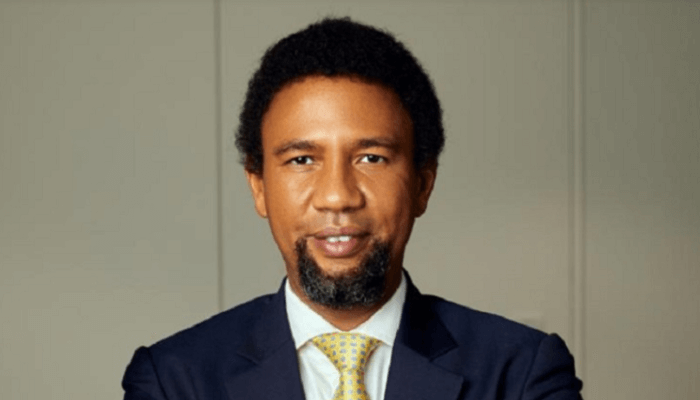
Karl Toriola, chief executive officer of MTN Nigeria, has attributed persistent network quality challenges in Nigeria to the country’s difficult operating environment, revealing that the telecom operator experiences more fibre optic cable cuts in a single day than Saudi Arabia records in an entire year.
Speaking in an interview on ‘Beyond the Headlines’ with Nifemi Oguntoye, Toriola said the exponential growth in data consumption, combined with infrastructure and security challenges, continues to place enormous pressure on telecommunications networks despite billions of naira in annual investments.
“The truth is on a year-to-year basis, on a month-to-month basis, the demands on data are growing exponentially, both from our habits and from the kind of devices that we use,” he said.
According to him, consumers are using high-definition streaming services on larger screens which significantly increase bandwidth demand compared to traditional viewing habits.
Toriola said MTN has continued to invest aggressively to keep pace with rising traffic but faces operational hurdles that are largely outside its control.
“We have very frequent fibre cuts. We have more fibre cuts in a day than the whole Kingdom of Saudi Arabia had in a year in MTN,” he said, attributing the disruptions to uncontrolled road construction, vandalism and other external factors.
Beyond fibre damage, he identified unreliable electricity supply as another major challenge forcing operators to rely on generators at thousands of base stations nationwide.
He also cited security and access issues, including vandalism, extortion by local groups and landlords denying engineers access to telecom sites needed for maintenance and repairs.
“We cannot operate so far out of the reality of the operating context in which we are,” Toriola said.
Despite the challenges, the MTN chief maintained that the company has made significant progress in improving network quality and remains committed to further investments.
He disclosed that MTN invested N390 billion in capital expenditure during the first quarter of the year, exceeding its N359 billion profit after tax for the same period.
“We are investing more than we are taking out in profit and before we even get down to profit, we pay our taxes, operating expenditure and all the other costs involved in running the business,” he said.
Toriola stated that the operator remains at the forefront of technological deployment in Nigeria, highlighting its early rollout of 5G services and ongoing investments in fibre-to-the-home infrastructure to meet growing consumer demand for faster and more reliable broadband connectivity.
This comes amid increasing scrutiny of telecom service quality in Nigeria, where operators have argued that rising data consumption, soaring operating costs, infrastructure vandalism and power challenges continue to affect network performance despite sustained capital investments.

Get Newsletter Updates
Enjoying our column?
Subscribe to our specialised **Tech Pulse** feed to receive fresh reports and analyses directly in your inbox.

