

By: SAYO AKINTOLA
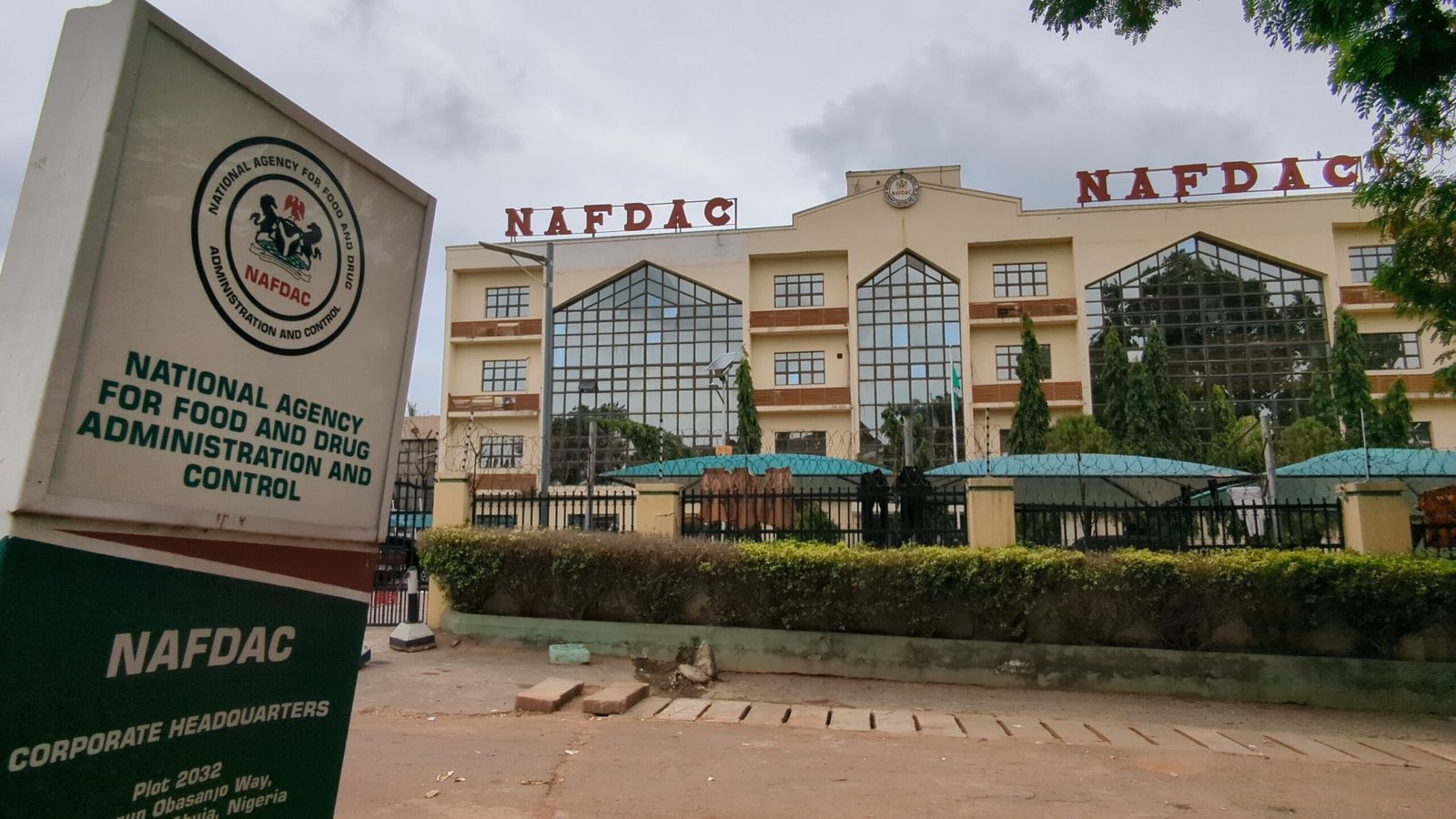
The Director-General of the National Agency for Food and Drug Administration and Control (NAFDAC), Prof Mojisola Adeyeye, has disclosed that the agency mopped up 7,210 fake, substandard, and other non-compliant regulated products during nationwide surveillance operations conducted between May and July 2026.
Adeyeye, who spoke at a media briefing in Lagos on the outcry over fake and substandard regulated products, also disclosed that NAFDAC inspected 6,233 facilities across the 36 states of the federation and the Federal Capital Territory (FCT) during the three-month exercise.
The NAFDAC boss said the disclosure came amid renewed public concerns over suspected adulterated and counterfeit food products, stressing that the fight against unsafe products requires sustained surveillance, laboratory verification, enforcement, and public cooperation.
According to Adeyeye, the Food and Water category recorded the highest number of products removed from circulation, with 3,633 products mopped up from 1,808 facilities.
Drugs and herbals followed with 2,459 products from 2,084 facilities, while cosmetics accounted for 911 products from 821 facilities.
Medical devices recorded 183 products from 1,077 facilities, and chemicals 21 products from 175 facilities, while three products were removed from 268 facilities in the Vaccines and Biologics category.
Adeyeye said about 80 per cent of NAFDAC’s Post-Market Surveillance (PMS) activities were directed at detecting and curbing fake, falsified, substandard, and other non-compliant products.
She explained that PMS involved the inspection of establishments, product sampling, laboratory analysis, investigation of complaints, and removal of non-compliant products from the market.
The disclosure followed widespread concerns over suspected fake yoghurt, palm oil, apples, soy sauce, olive oil, chicken, fish, water, and beverages.
Adeyeye, however, cautioned that allegations made on social media did not, on their own, establish that a product was counterfeit, adulterated, or unsafe.
She said suspected violations must be scientifically evaluated through product sampling and laboratory analysis before regulatory action could be taken.
According to her, where violations are established, NAFDAC could seize, recall, or destroy affected products and sanction the operators involved.
Giving an indication of the scale of the agency’s wider enforcement operations, Adeyeye said more than 13,740 truckloads of counterfeit and substandard products, valued at over N1.5 trillion, were evacuated and destroyed during operations at Idumota in Lagos, Onitsha in Anambra State and Ariaria Market in Aba between February and March 2025.
She also disclosed that NAFDAC had secured 64 convictions for counterfeiting nationwide, with offenders sentenced to between one and seven years’ imprisonment without the option of a fine.
Adeyeye said more than N15 billion worth of fake, expired, counterfeit, and banned medicines were destroyed in Ibadan in February 2026.
In Lagos, she said more than 10 million doses of counterfeit malaria medicines and cosmetics, valued at about N3 billion, were seized from a three-storey building disguised as a spare-parts warehouse. Four suspects were arrested in connection with the operation.
The NAFDAC boss also disclosed that the agency had uncovered the alleged counterfeiting of CWAY dispenser bottles by three companies.
According to her, the companies used empty 19-litre bottles bearing the identity and branding of a registered water company without authorisation, allegedly refilling them with water from unapproved sources before supplying them to hotels and supermarkets.
She said the companies were sanctioned.
On food safety, Adeyeye said NAFDAC was concerned about reports of palm oil adulteration with azo dyes and other hazardous substances, particularly traditionally packaged palm oil sold through open markets.
She also acknowledged reports of chemicals allegedly being used in fufu and other staple foods but said NAFDAC did not have direct or exclusive oversight over all unbranded traditional foods sold in open markets.
She called for stronger involvement by state and local authorities in monitoring such products.
Adeyeye further clarified that imported agricultural commodities such as apples, grapes, and oranges were not under NAFDAC’s exclusive control, noting that the Nigeria Agricultural Quarantine Service (NAQS) had responsibilities relating to agricultural commodities and quarantine.
She said NAFDAC had continued its campaign against the use of calcium carbide for artificial fruit ripening through regulatory measures, sensitisation and training introduced since 2018.
The agency also investigated public concerns involving Oral-B and Colgate toothpaste. Adeyeye said an alert notice was placed on NAFDAC’s official platforms in the Colgate case.
On bread, she said NAFDAC conducted a laboratory investigation on 18 May 2026, following concerns raised on social media, and urged consumers to report suspected unsafe products directly to the agency.
Adeyeye maintained that registered bread products found to comply with regulatory requirements were safe.
She also reiterated enforcement of the ban on alcoholic drinks packaged in sachets and PET or glass bottles below 200 ml, saying manufacturers had begun dismantling or reconfiguring affected production lines.
Adeyeye maintained that the continued presence of counterfeit products in the market did not mean regulatory surveillance was absent, describing counterfeiting as an evolving challenge requiring intelligence, laboratory verification, enforcement, and public vigilance.
“Fakers are not ghosts,” she said, urging Nigerians to report suspected fake, adulterated, and unsafe products through NAFDAC’s formal complaint channels.
WATCH TOP VIDEOS FROM NIGERIAN TRIBUNE TV