

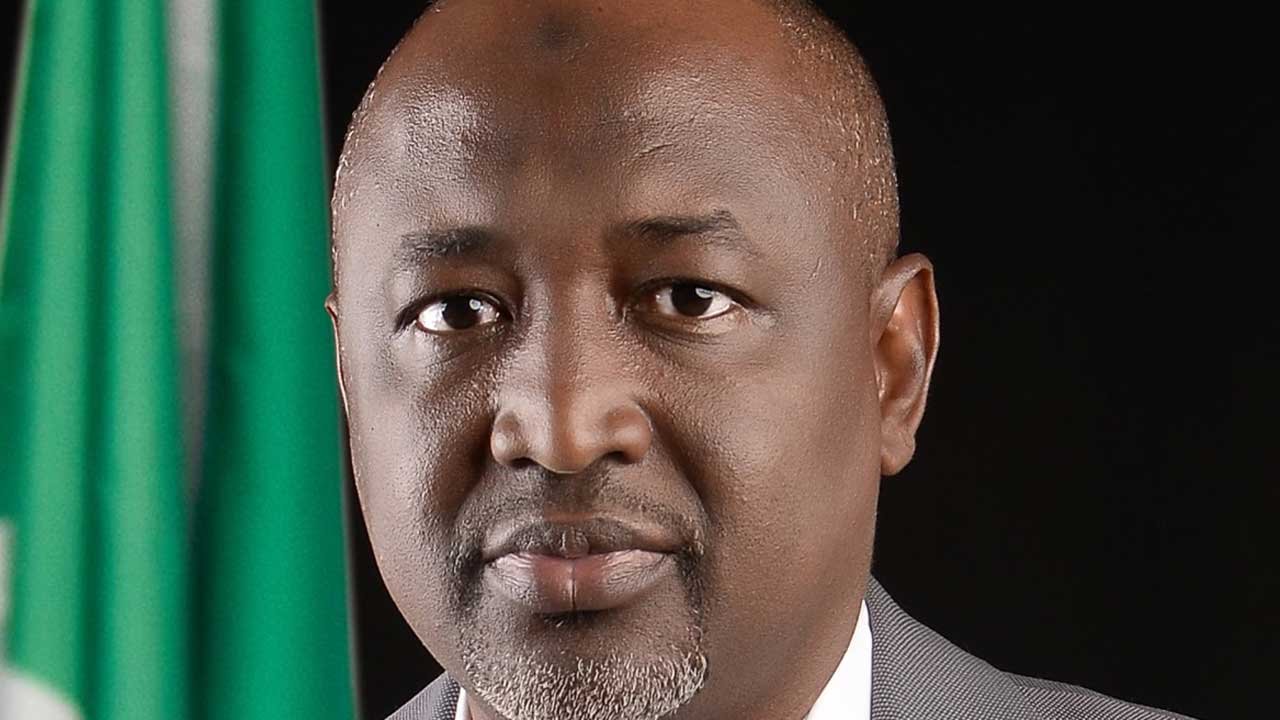
The Director-General of the National Institute for Cancer Research and Treatment (NICRAT), Prof. Usman Malami Aliyu, has described the Federal Government’s approval of N302.3 billion for the construction of a National Cancer Institute as a game changer that will reduce medical tourism and position Nigeria as a global hub for cancer treatment and research.
President Bola Tinubu approved the design, construction, furnishing, equipping, supervision and commissioning of the flagship institute, which is expected to be completed within 36 months.
The approval was announced by the Coordinating Minister of Health and Social Welfare, Prof. Muhammad Ali Pate, at last week’s Federal Executive Council (FEC) meeting.
Reacting to the development in a statement in Abuja on Tuesday, Aliyu commended President Tinubu for what he described as a bold intervention aimed at improving cancer care and the general wellbeing of Nigerians.
He said the project would strengthen cancer research, treatment, innovation and capacity building while providing world-class cancer services in the country.
“This project will no doubt make Nigeria the centre of attraction in terms of sophisticated cancer care and research in Africa and the world at large,” he said.
According to him, the proposed institute, equipped with state-of-the-art facilities, would significantly reduce the number of Nigerians travelling abroad for cancer diagnosis and treatment, thereby saving the country millions of dollars annually.
Aliyu added that the institute could also transform Nigeria into a destination for cancer treatment and research for patients and specialists from other African countries and beyond, with positive implications for the country’s foreign exchange earnings.
He said the facility would provide an enabling environment for oncology experts to conduct advanced research and develop innovative approaches to cancer prevention, diagnosis and treatment.
The NICRAT boss further said the institute would serve as a training and retraining hub for oncology professionals and researchers across Africa, while promoting evidence-based policymaking, technology-driven cancer care and collaboration with leading institutions in Nigeria and abroad.
Aliyu noted that cancer had remained a major challenge for Nigerians over the years because of inadequate access to early diagnosis, treatment and research facilities.
“Over the years, cancer has remained a nightmare to most Nigerians as successive governments could not demonstrate capacity to address issues around the dearth of cancer diagnosis, treatment and research in the country,” he said.
He, however, said the establishment of NICRAT three years ago had strengthened Nigeria’s position in the global fight against cancer, adding that the approval of the new institute would further enhance the country’s capacity and visibility in cancer care and research.
Aliyu also cited the recent upgrading of cancer centres in Katsina, Benin and Enugu, which he said had already been completed, as evidence of the Federal Government’s commitment to improving cancer services.
He commended Pate for his leadership in transforming the health sector and Minister of State for Health and Social Welfare, Dr Iziaq Adekunle Salako, for his advocacy and support for the cancer initiative.
He also appreciated the Permanent Secretary of the Federal Ministry of Health and Social Welfare, Daju Kachollom, for her support and encouragement.
Aliyu assured that NICRAT would work with relevant ministries, departments and agencies, state governments, development partners, civil society organisations, the private sector and other stakeholders to establish a coordinated national cancer control system capable of delivering measurable results.
He said the management and staff of NICRAT were committed to ensuring that the project delivered on the promise of the Renewed Hope Agenda.
WATCH TOP VIDEOS FROM NIGERIAN TRIBUNE TV