

The Minister of Information and National Orientation, Mohammed Idris, has called for stronger collaboration between journalists and security agencies to address security challenges in the North-West while protecting press freedom and journalists’ safety.
Idris said journalists covering banditry, kidnapping and terrorism in the region often operate under dangerous conditions and deserve adequate protection, respect and support.
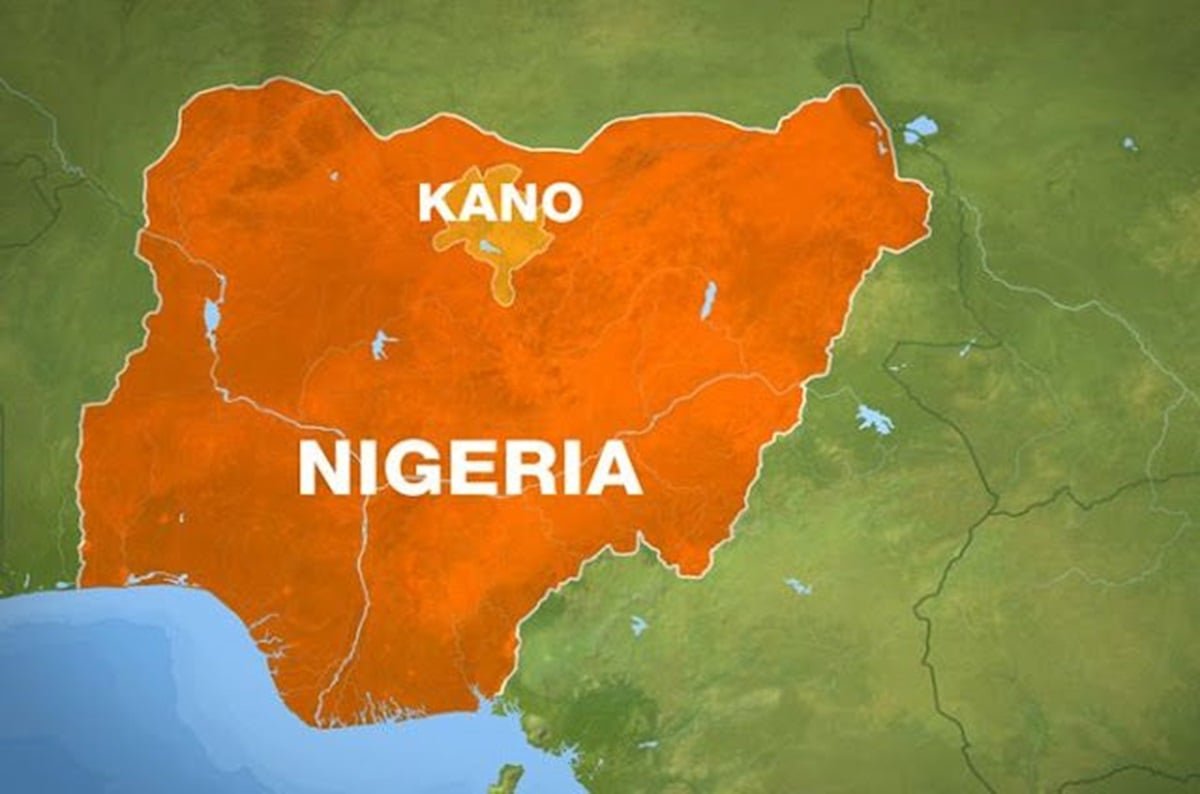
He made the call in a speech delivered on his behalf at the North-West Zonal Security Summit for Journalists, organised by the Nigeria Union of Journalists (NUJ), in collaboration with the Kano State Government, at Coronation Hall, Government House, Kano, on Monday.
The summit was themed, “Journalism in a Challenging Security Environment: Safety, Professionalism and Media-Security Cooperation in the North-West.”
The Director-General of the Voice of Nigeria, Mr Jibril Ndace, who represented the minister, said journalists had a responsibility to inform the public, document events and give voices to communities affected by insecurity, stressing that their safety remained a matter of national concern.
He urged security agencies to recognise the legitimate role of journalists and facilitate their lawful professional activities, while encouraging media organisations to strengthen safety protocols, provide training and offer adequate support to reporters covering high-risk assignments.
Idris, however, stressed that journalists’ safety must go hand in hand with professionalism, warning that unverified reports, misleading images, speculative casualty figures and premature disclosure of sensitive operational information could cause panic, endanger lives and undermine security efforts.
ALSO READ: Dabiri-Erewa, Rufai Oseni trade words over alleged irresponsible journalism
He urged media professionals to uphold accuracy, verify sources and exercise sound editorial judgement, particularly in the digital age when misinformation spreads rapidly.
According to him, responsible journalism does not require suppressing legitimate information or abandoning the media’s watchdog role, adding that press freedom must be exercised with consideration for its wider consequences.
“Our objective must be to protect both national security and the freedom of the press,” he said.
Idris called for improved trust and communication between journalists and security institutions, urging security agencies to provide timely and credible information, strengthen media relations structures and maintain regular engagement with journalists.
He said such cooperation must be based on mutual respect and clearly defined responsibilities without compromising editorial independence.
The minister reaffirmed the Federal Ministry of Information and National Orientation’s commitment to promoting constructive engagement between government, media and security institutions through strategic communication and public enlightenment.
He said the Federal Government, under President Bola Ahmed Tinubu, continued to prioritise national security through intelligence gathering, inter-agency coordination, security operations and community engagement.
He encouraged participants at the summit to develop practical recommendations on journalists’ safety training, access to verified security information, reporting mechanisms for threats against journalists, stronger media-security engagement, and improved welfare and insurance provisions for media professionals.
Idris commended the NUJ and the Kano State Government for organising the summit, expressing confidence that it would strengthen journalists’ safety and improve media-security cooperation across the North-West.
Speaking at the event, the National President of the Nigeria Union of Journalists, Alhassan Yahya Abdullahi, called for stronger safety measures, improved security cooperation and mandatory newsroom safety policies to protect journalists operating in the North-West.
Abdullahi said journalists in the region were increasingly exposed to danger while reporting on banditry, terrorism, kidnapping and communal conflicts, with many facing intimidation, abduction and violence in the course of their duties.
He lamented that some journalists had paid the ultimate price, describing the situation as unacceptable and stressing that the union could no longer remain passive in the face of avoidable threats to its members.
According to him, protecting journalists requires moving beyond sympathy and establishing practical safeguards for their physical safety in the field, as well as protection against emerging digital threats, including cyberattacks, surveillance and artificial intelligence-driven disinformation.
The NUJ president stressed the need to strengthen trust and cooperation between journalists and security agencies, noting that media professionals should not be regarded as enemies of the state or adversaries of security institutions.
He said journalists and security agencies had distinct but complementary responsibilities, adding that a framework of mutual trust was necessary to enable journalists to carry out their duties without intimidation while respecting operational confidentiality.
Abdullahi said the summit featured distinguished speakers, including retired Brigadier General Sani Kukasheka Usman, Professor Umaru Pate and retired Major General Chris Olukolade, who were expected to address journalists’ protection strategies, ethical responsibilities and sustainable media-security partnerships.
He said discussions would also focus on communication gaps between the media and security agencies during emergencies, field realities, newsroom safety policies and deployment protocols.
Emphasising the importance of safety in journalism, Abdullahi said no story was worth the life of a journalist, urging media professionals to combine courage with adequate preparation, caution and restraint.
He challenged participants to ensure that the summit produced tangible outcomes rather than ending with speeches and photographs.
Among the proposed commitments, he listed the establishment of a permanent rapid-response communication channel between the NUJ and security agencies, enforcement of mandatory newsroom safety policies, expansion of hostile-environment and digital security training, and prompt, transparent investigations into attacks against media professionals.
The NUJ president also urged journalists to uphold accuracy, fairness and ethical standards, warning against sensationalism and encouraging thorough verification of information, particularly when reporting security-related incidents.
WATCH TOP VIDEOS FROM NIGERIAN TRIBUNE TV