

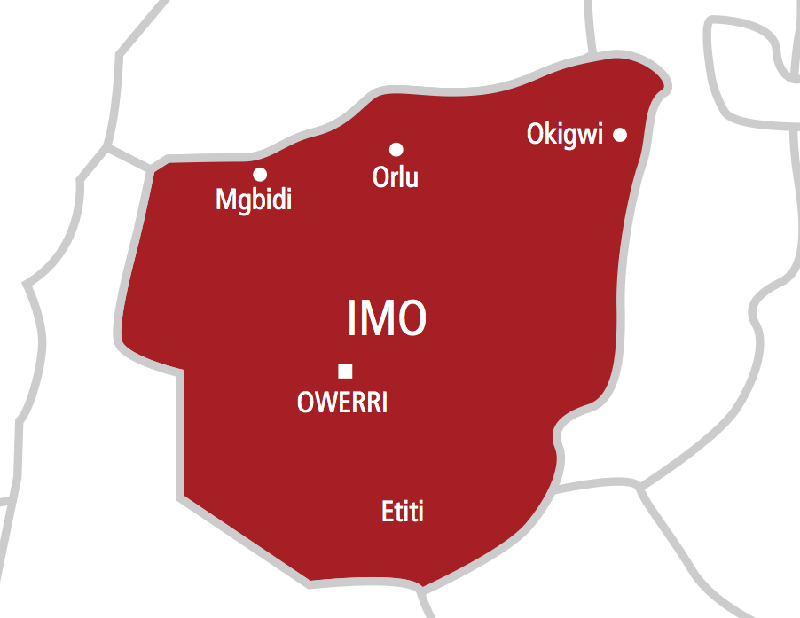
Tensions are escalating in Ekugba community, Ohaji/Egbema Local Government Area of Imo State, as residents accuse Seplat Energy of persistent neglect and failure to provide appropriate compensation for oil operations on their ancestral land.
The community, which identifies itself as the rightful owner and principal landlord of the sites hosting Ohaji South Oil Wells 3 and 4, as well as a newly acquired parcel within the F71 section of the Adapalm Estate, claims Seplat is preparing further drilling activities without honoring its obligations.
In response, Seplat Energy denied any wrongdoing. In a formal letter signed by Ibi-Ada Itotoi, its Managing Director for East Onshore Operations, the company stated that it operates strictly within legally acquired portions of the Adapalm Plantation and is unaware of any new drilling activities in areas claimed by Ekugba.
Nonetheless, the community, through its legal representatives, George C. Akagha & Co., issued a seven-day ultimatum demanding immediate engagement and fair compensation. The letter, addressed to Seplat Energy and copied to the Imo State Government and relevant security agencies, warns that failure to comply could lead to actions capable of disrupting the company’s operations.
Titled “Re-Commencement of Drilling Activities by Your Company within F71 Adapalm Estate, Ohaji,” the letter insists that Seplat, in line with Nigerian laws, owes a duty to provide tangible benefits to its host communities.
“The company has consistently failed to engage in meaningful dialogue and has continued operations with total disregard for the rights of Ekugba people,” the letter reads. It also references an ongoing legal battle over the ownership of the oil well sites—Suit No: HOG/14/2014 – Chief Andrew Okorougo & Others vs. Seplat Petroleum Development Company Limited & Others—currently at an advanced stage in court. The community says that the recent discovery of an additional oil site on their land has only worsened tensions.
Anger is reportedly mounting among the youth, who have mobilized under the banner of the Ekugba Restoration Team (ERT). They have vowed to resist any further clearing or development by Seplat unless the company pays traditional homage and signs a formal Memorandum of Understanding (MoU) recognizing Ekugba as the primary landlord.
The group also rejected any existing agreements Seplat may have signed with neighboring communities, stating emphatically that such deals do not cover land traditionally referred to as “Urashi” in Egbema, which they say belongs exclusively to Ekugba.
Challenging Seplat’s claim to legality, the community asserts that the 1964 land lease to the East Central State Development Authority—later transferred to the Imo State Government in 1976—does not extend to mineral rights under the Nigerian Minerals and Mining Act of 2007. According to them, “A lease for agricultural use cannot be interpreted as a right to exploit mineral resources,” adding that despite decades of extraction, they have seen little benefit.
They further cited provisions of the Petroleum Industry Act (PIA), which mandates that host communities—particularly landowners of oil sites—be recognized and compensated. Seplat, they allege, has failed to fulfill this requirement.
According to Seplat, the Adapalm Plantation was originally leased by the East Central State Agricultural Development Authority from various communities including Egbema, Ohuba, Amafor, Obosima, Obile, and Agwa. The land was duly registered at the Land Registry in Enugu and, following the 1976 state reorganization, ownership was transferred to the Imo State Government.
“Compensation payments for the use and occupation of these lands by Seplat were appropriately and validly made to the Imo State Government,” Seplat said, adding that it operates in full compliance with the PIA and other applicable laws.
The company also stated that host community benefits are being distributed to communities recognized under the original lease agreement, including Obuomadike Autonomous Community and others—implicitly casting doubt on Ekugba’s claim to exclusive ownership.
But the company’s position has done little to calm tensions. Community leaders have dismissed the references to historical leases and state-wide land ownership as outdated and legally insufficient. “Referring to expired leases from defunct administrations and lumping us together with other communities undermines our unique cultural and legal claim to this land,” a community elder said.
As the seven-day ultimatum nears its end, community leaders are calling for urgent intervention from the Imo State Government and the Federal Ministry of Petroleum Resources to prevent an escalation and ensure Seplat fulfills both its legal and customary obligations.
Observers say the standoff is another reminder of unresolved tensions between oil companies and host communities in the Niger Delta, where years of extraction have often left behind grievances, legal disputes, and fractured relationships.
For now, the Ekugba community insists its rights must be recognized. As one youth leader put it, “We’re not against development—we’re demanding respect, recognition, and rightful compensation.”
Seplat, observers say, may need to reassess its community engagement strategy or risk renewed unrest threatening its operations in Imo State.