

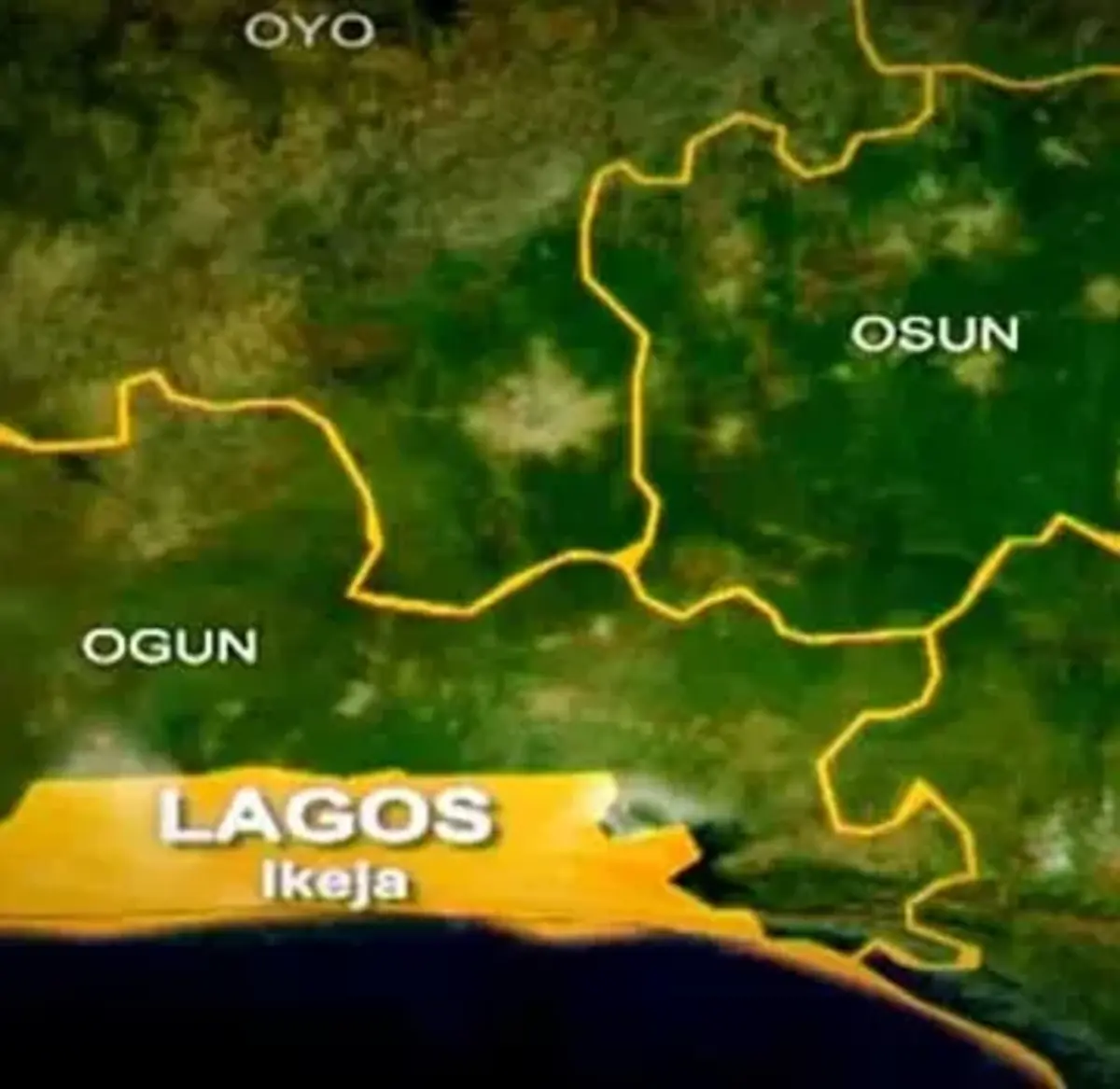
The Lagos State Government has unveiled a new carbon standards framework as part of efforts to establish a functional carbon market and strengthen measures to reduce transport-related emissions.
The General Manager of the Lagos State Environmental Protection Agency (LASEPA), Babatunde Anayo, disclosed this on the sidelines of the ongoing 31st United Nations Climate Change Conference (COP31) in Antalya, Türkiye.
Anayo said the Lagos Standards were designed to establish benchmarks for measuring, reporting and verifying carbon generated or avoided through various activities within the state.
He explained that the framework would build on the Lagos Carbon Project and provide the foundation for carbon market activities, including emissions reductions achieved through solar panels, solar-powered streetlights and other climate-friendly interventions.
He attributed the progress recorded by the state to the support of Governor Babajide Sanwo-Olu, whom he described as committed to environmental sustainability.
According to him, the introduction of the carbon standards is one of three major priorities Lagos brought to COP31, alongside transport emission zoning and the promotion of climate justice.
On transport emission zoning, Anayo said the state had conducted emissions mapping to identify areas where vehicular emissions could be reduced through the establishment of low-emission zones.
He explained that the initiative would help reduce transport-related pollution in designated corridors and communities.
“We have done emissions mapping and emissions zoning for Lagos, but we thought it was important to test the framework against global standards at COP, and we have done that,” he said.
He added that the state used the global climate conference to assess its environmental policies against international standards, exchange knowledge and learn from the experiences of other cities.
The LASEPA boss identified climate justice as the third priority, stressing the need to ensure that environmental policies and interventions considered the interests of women, persons with disabilities and other vulnerable groups.
He said climate action must be inclusive and ensure that vulnerable populations were not excluded from the benefits of environmental policies and projects.
Anayo clarified that LASEPA did not sign any new partnerships at COP31, explaining that the agency presented existing projects and initiatives in Lagos for international assessment and knowledge exchange.
He cited an engagement with Uganda, saying representatives from the country had expressed interest in learning from Lagos’ environmental initiatives.
He also dismissed suggestions that successive climate conferences merely repeated previous discussions, noting that the focus of COP had evolved over the years from plastic pollution and emissions to climate and health, with increasing attention on implementation.
Having attended COP for five years, he said he had witnessed the progression in climate discussions and the benefits of comparing experiences, data and solutions among participating cities.
He added that some of Lagos’ ongoing carbon initiatives originated from conversations at previous climate conferences.
Assessing the state’s performance in implementing its climate policies and projects, Anayo rated Lagos eight out of 10.
He attributed the rating to the pace of implementation, the standards established through its policies and the projects already initiated by the state.
He also identified technology, artificial intelligence and improved operational efficiency as major areas of progress under his leadership.
The LASEPA boss said he hoped to be remembered for introducing innovations that improved the agency’s processes, strengthened its use of technology and accelerated service delivery.
Among the achievements he highlighted was the expansion of the state’s clean air monitoring network from between five and 10 local sensors to more than 200 across Lagos.
He also noted the agency’s role as head of policy at the Africa Clean Air Forum, describing it as part of LASEPA’s growing international profile.
According to him, the agency’s ability to consistently secure grants and funding had also marked a significant development in its operations.
He said improved internal processes had enabled the agency to respond more quickly to environmental complaints and address everyday environmental challenges confronting residents.
On the challenge of accessing climate finance, Anayo said the agency had adopted a project-by-project approach, breaking down major environmental challenges into smaller interventions to attract funding.
He disclosed that LASEPA had secured $2,000 from the Japanese government for a climate-health project focused on preventing cholera outbreaks associated with flooding.
The agency also received $50,000 from the United Nations Environment Programme (UNEP) and the University of Chicago for its EPIC project, which focuses on clean air.
In addition, he said $250,000 had supported adaptation interventions in communities, including engagements with markets and training programmes for women.
“Finance is available at the scale of your project or at the scale of the problem you present. If you put your problem in bits and pieces, you are likely to get finance faster.
“In Lagos, for instance, at LASEPA, we have been able to secure three major financing opportunities because we broke down our problems into smaller projects,” he said.
He added that investors and development partners were more willing to support manageable projects with measurable results than commit huge sums to large-scale interventions without clearly defined outcomes.
“I don’t think climate finance is impossible or inaccessible. I think it exists, but for mega projects, everybody will think twice before taking on such a huge commitment. If you break it into smaller bits, people can support it gradually,” he said.
On the state’s climate readiness, he disclosed that Lagos had developed its Climate Action and Resilience Plan, describing it as a major milestone in preparing the state to respond to climate challenges.
He said the plan had strengthened Lagos’ position to attract climate finance and large-scale funding for its environmental and resilience projects.
WATCH TOP VIDEOS FROM NIGERIAN TRIBUNE TV