

If Nigerian children could choose the kind of health system they grow up in, their priorities would be brutally clear. They would not simply ask for flyovers or megaprojects but would rather ask for clean water, working clinics, and adults who take their health seriously.
In a country that still contributes one of the highest numbers of under‑five deaths globally, those choices are not abstract but are the difference between seeing a fifth birthday and being remembered for a short life.
Today’s system does not reflect those choices. Recent UNICEF and World Bank data show that roughly 100–110 Nigerian children out of every 1,000 live births still die before age five, more than four times the global target set under the Sustainable Development Goals.
Many of these deaths are from causes the world has known how to prevent and treat for decades: pneumonia, diarrhoea, malaria, measles, complications of preterm birth and severe acute malnutrition. When nearly 100 Nigerian child deaths are estimated from largely preventable causes, it is a sign that the health system is still organised around adult politics, not child and maternal basic needs.
ALSO READ: FULL TEXT: Starmer’s resignation speech as UK Prime Minister
Recently, the continent marked the International Day of the African Child, on 16 June, as a reminder of what a child‑centered agenda should look like. The day commemorates the 1976 Soweto uprising, when schoolchildren demanded their right to quality education, and it has since become a moment to reflect on African children’s broader rights and well‑being.
This year’s theme focuses on “Ensuring universal access to water, sanitation and hygiene for every child in Africa.” It highlights water, sanitation, and hygiene as essential foundations of child health, underlining the fact that survival is shaped as much by what comes out of the tap and the toilet as by what happens in a hospital.
A health system that children would choose would therefore start with safe water, toilets, nutrition, vaccines, bed nets, and staffed primary health centres in every community – not just gleaming tertiary hospitals in major cities.
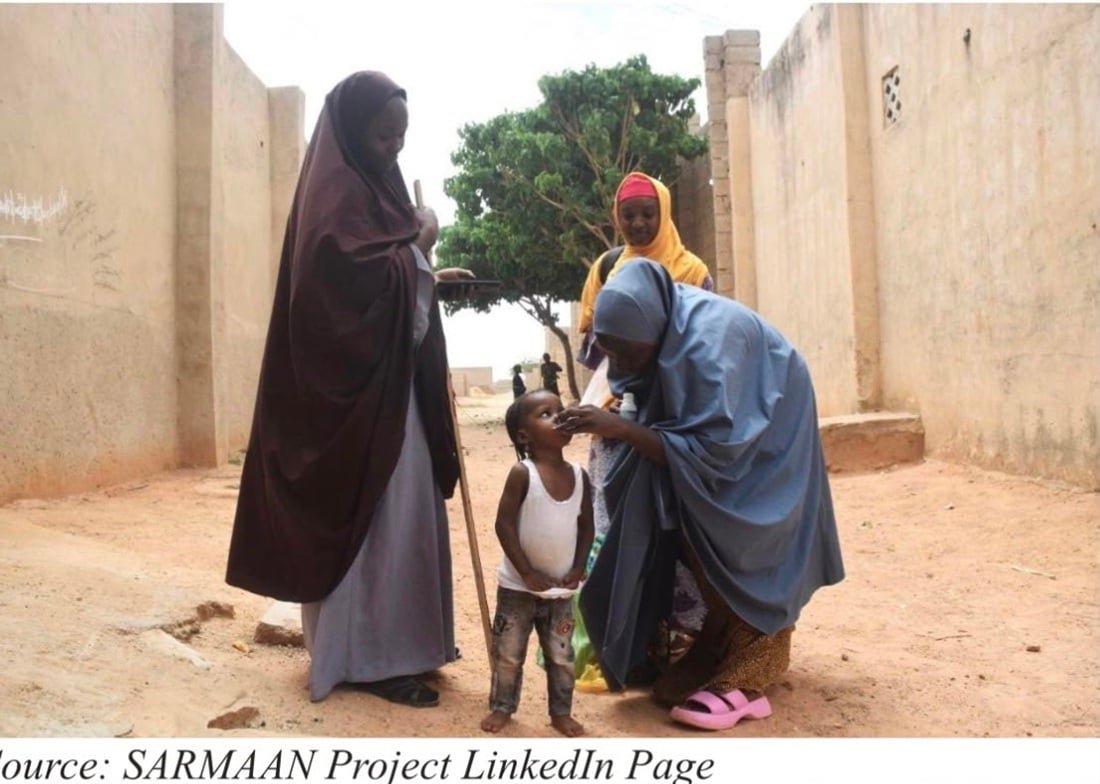
Until that vision is real everywhere, targeted programmes are trying to bridge the gap between what children would choose and what they actually get. SARMAAN – the Safety and Antimicrobial Resistance of Mass Administration of Azithromycin in Nigeria project – is one of them.
Drawing on evidence from successful trials, SARMAAN provides carefully dosed azithromycin to young children in high‑mortality communities, working through existing child survival intervention programs and community health workers.
The project has already reached millions of children across northern Nigeria, while closely tracking safety and antimicrobial resistance.
Crucially, SARMAAN does not present azithromycin as a cure‑all but as one more tool in a wider child‑survival toolkit that still depends on vaccines, nutrition, clean water, and functioning clinics.
In doing so, it offers a glimpse of a system that reflects children’s real priorities: one where every new tool is used to keep them alive and thriving.
WATCH TOP VIDEOS FROM NIGERIAN TRIBUNE TV