

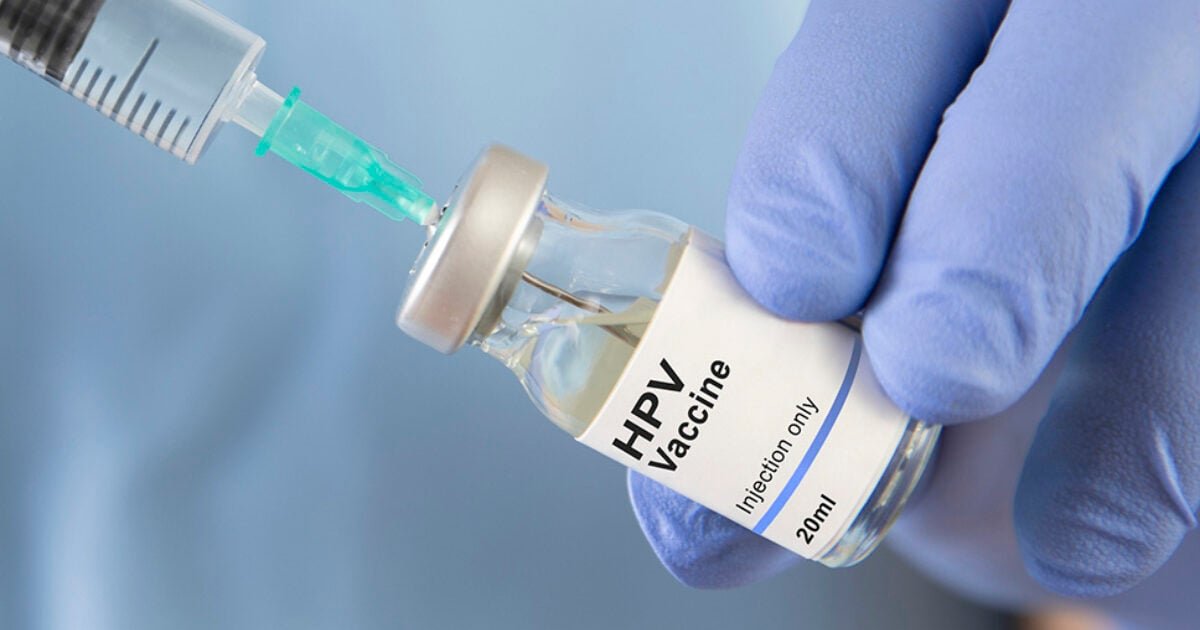
Experts, in a landmark study, have said that women who received the HPV vaccine in early adolescence have an almost zero risk of dying from cervical cancer before the age of 30.
In a study published in The Lancet and funded by Cancer Research UK, researchers found dramatic reductions in cervical cancer mortality among women offered the HPV vaccine after its introduction in England in 2008.
Researchers from Queen Mary University of London analysed national cancer mortality and vaccination data for women aged 20 to 34 to assess the vaccine’s impact on survival.
While there was little change in mortality among women who were never offered the vaccine, substantial declines were recorded among vaccinated groups.
They also estimated that girls vaccinated at the age of 12 or 13 are now highly unlikely to die from cervical cancer before the age of 30. Among vaccinated women aged 30 to 34, the risk of death from cervical cancer was 63 per cent lower than among their unvaccinated peers.
While the HPV vaccine prevents about 90 per cent of cervical cancers, until now, its impact on survival had been unclear.
The World Health Organisation has named cervical cancer the fourth most common cancer among women globally. High-risk strains of the human papillomavirus (HPV) cause almost all cases, and about 3,300 women are diagnosed with the disease in England each year.
Professor Peter Sasieni, lead author of the study and professor of cancer epidemiology at Queen Mary University of London, said the findings demonstrated the extraordinary success of the vaccination programme.
“We estimate that since its introduction, HPV vaccination has prevented nearly 200 young women from dying from cervical cancer in England,” he said.
The vaccine also protects against a range of other cancers, including cancers of the anus, penis, vagina, vulva, mouth and throat, as well as genital warts. It is routinely offered to girls and boys in Year 8, with catch-up programmes available in some areas.
The findings come as health experts express growing concern over declining vaccination rates. The WHO’s strategy for eliminating cervical cancer calls for 90 per cent of girls to be fully vaccinated against HPV by the age of 15 by 2030.
“With close to 90 per cent HPV vaccine uptake in women born between 1995 and 2004, we expect to see thousands of cervical cancer deaths prevented in those women over the coming years,” Sasieni said.
“HPV vaccination combined with cervical screening could reduce cervical cancer rates to the point where almost no one develops it.”
However, he warned that lower vaccination rates could reverse those gains.
“The falling HPV vaccine uptake means that without swift and concerted efforts to increase uptake, we could see a reversal of these trends,” he said.
Dr Alison Wright, president of the Royal College of Obstetricians and Gynaecologists, described the findings as “exciting and powerful”, saying they highlighted the vaccine’s ability to prevent both diagnoses and deaths from a largely avoidable disease.
NHS leaders said the results underscored the life-saving impact of the HPV vaccine and supported ambitions to eliminate cervical cancer by 2040.
WATCH TOP VIDEOS FROM NIGERIAN TRIBUNE TV