

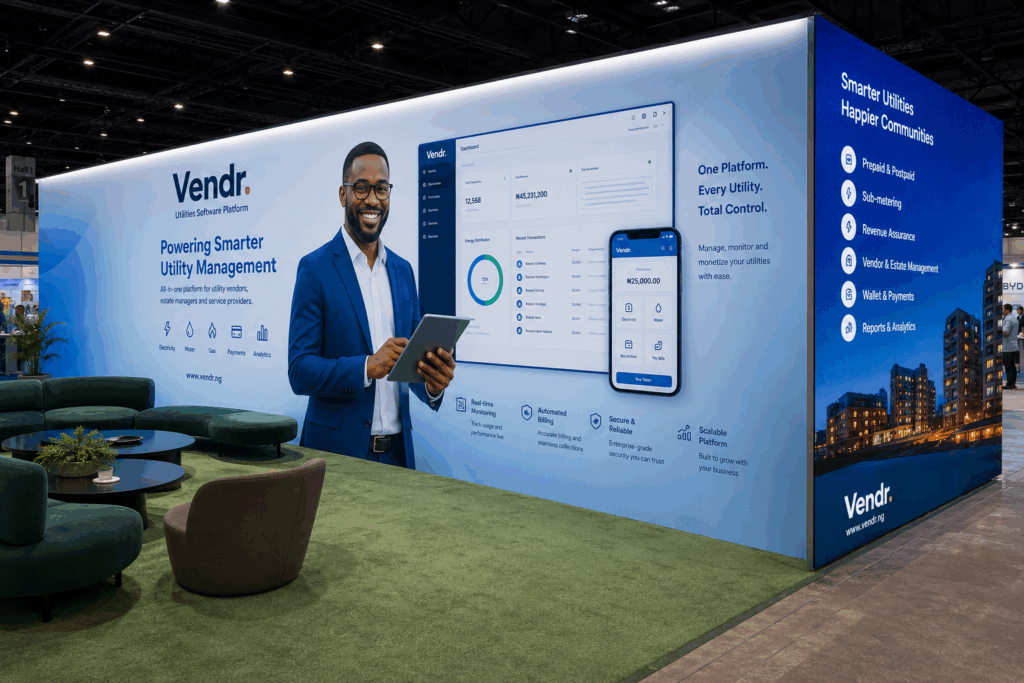
Estate managers across Nigeria are turning to software to simplify the growing complexity of managing residential estates, as manual tools such as spreadsheets and WhatsApp groups become difficult to sustain.
Vendr.ng, a property management technology company, noted that many estate managers begin experiencing operational challenges as the number of occupied units grows, with tasks such as service charge collection, utility billing, maintenance requests and visitor management becoming more difficult to coordinate manually.
According to the company, software is helping estate managers automate these processes, reducing administrative work while improving transparency for residents and property developers.
“Many estates start with Excel sheets and WhatsApp because they are simple and familiar,” Nwoye Izuchukwu, co-founder of Vendr.ng said.”But as estates grow, manual coordination begins to consume significant time and creates room for billing errors, delayed maintenance and payment reconciliation challenges.”
Ijeoma Ejikeme, business operations manager at Bossman Homes, Lagos, said as the company’s estates and resident population continue to grow, managing operations with spreadsheets, manual records, and WhatsApp groups was no longer sustainable.
“After seeing Vendr successfully used in other estates, Bossman Homes adopted the platform to digitise collections, resident communication, and property management which made day-to-day estate operations faster, more organised, and easier to scale,” Ejikeme said.
Vendr.ng’s platform combines several estate management functions into a single dashboard.
Estate managers can issue automated service charge invoices, reconcile payments made through Paystack, OPay and bank transfers, generate utility bills, track maintenance requests and monitor visitor access without relying on multiple disconnected tools.
The platform also provides residents with a self-service portal where they can view outstanding balances, monitor utility consumption, make payments and submit maintenance requests without contacting estate managers directly.
One of the software’s key features is automated utility management. This implies that instead of manually recording meter readings and preparing invoices in spreadsheets, estate managers can generate electricity and water bills through the platform while residents receive consumption histories and payment records.
Maintenance management has also been digitised hence rather than receiving complaints through personal phone calls or WhatsApp messages, residents can log service requests through the application, allowing estate managers to assign vendors, track response times and monitor completion from a central system.
For estates, the software also includes digital visitor and gatepass management which enables residents to pre-register guests while security personnel maintain electronic visitor records instead of handwritten logbooks.
The company said these tools become particularly valuable for estates managing dozens of residential units, where administrative workloads often increase faster than staffing levels.
Beyond daily operations, the platform generates reports on collections, occupancy, utility consumption and outstanding payments, giving developers, homeowners’ associations and estate boards greater visibility into estate performance.
As Nigeria’s residential estates continue to expand, property technology firms are positioning software as an alternative to the fragmented manual systems that have traditionally dominated estate management.
Rather than simply digitising spreadsheets, companies like Vendr.ng argue that integrating billing, maintenance, utilities and resident communication into a single platform allows estate managers to spend less time on administrative coordination and more time improving estate operations.

Get Newsletter Updates
Enjoying our column?
Subscribe to our specialised **Tech Pulse** feed to receive fresh reports and analyses directly in your inbox.

