

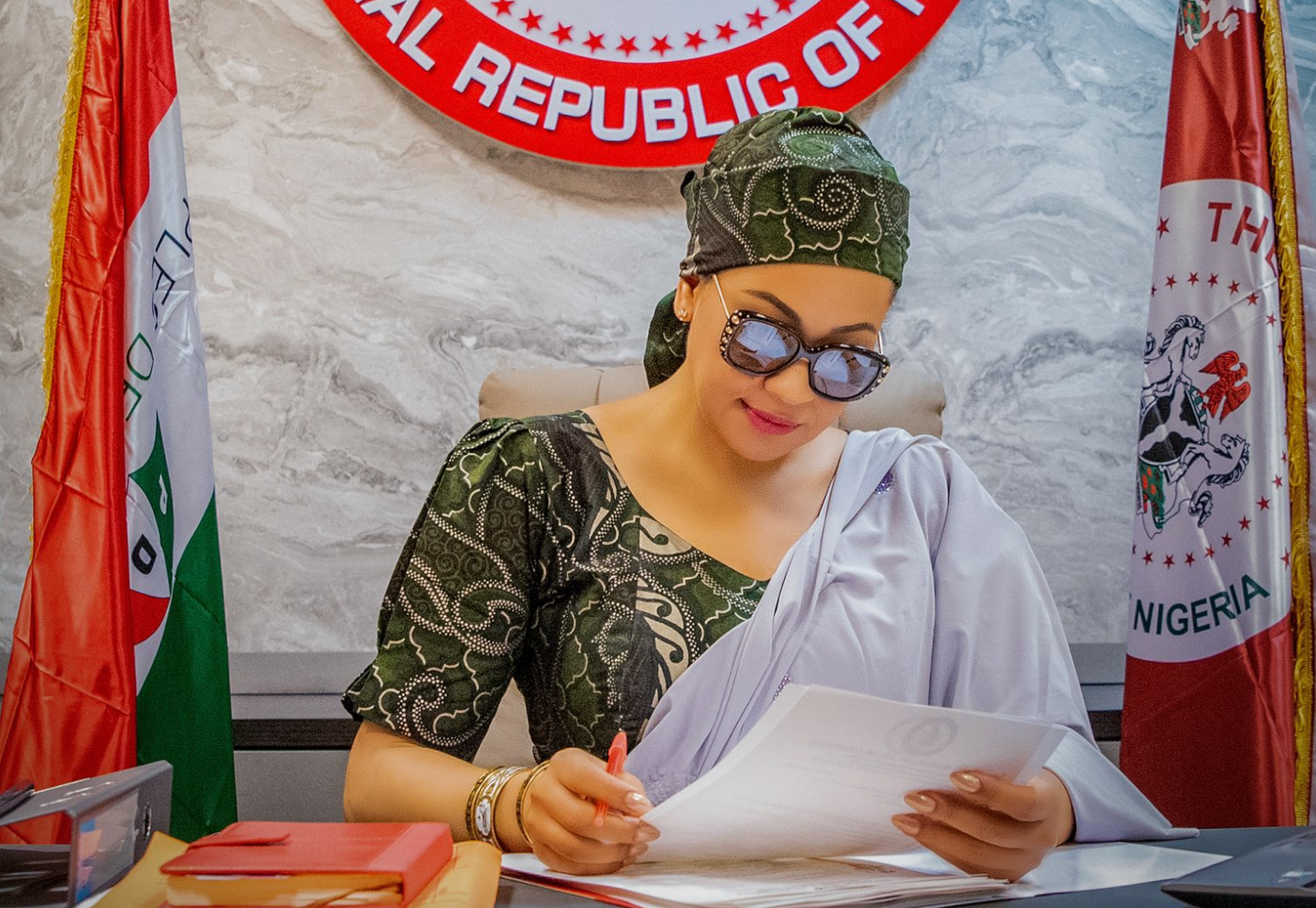
United Kingdom-based Nigerian entrepreneur, Sandra Duru, has called out Senator Natasha Akpoti-Uduaghan over what she describes as a pattern of making serious accusations against prominent figures without providing evidence.
In a statement issued on May 5, 2025, Duru outlined five notable instances where the Kogi-born senator allegedly made damaging claims against influential Nigerians, none of which, according to her, have been substantiated.
“In 2019, during the Kogi State gubernatorial election, Senator Akpoti-Uduaghan alleged that then-Governor Yahaya Bello plotted to assassinate her,” Duru said. “The allegation sparked widespread media attention, but investigations failed to produce any credible evidence. Governor Bello dismissed the claim as a political ploy intended to elicit public sympathy.”
Duru also referenced a 2021 incident in which Akpoti-Uduaghan accused political commentator Reno Omokri of sexual harassment at a 2014 state banquet.
Omokri countered the accusation with travel documents and passport stamps, demonstrating he was not in Nigeria at the time of the alleged incident.
“Following the disclosure, Akpoti-Uduaghan reportedly deleted related social media posts, and the matter was eventually settled out of court after mediation by a prominent cleric, with Omokri receiving significant damages,” Duru said.
Ahead of the 2023 general elections, Duru said Akpoti-Uduaghan repeated accusations of an assassination plot allegedly masterminded by Bello.
“Again, no concrete evidence was provided, and the governor refuted the claim as another politically motivated distraction,” she said.
Duru further cited a 2025 episode in which the senator accused Senate President Godswill Akpabio of sexual harassment, alleging inappropriate comments and conduct.
The Senate Ethics Committee reportedly dismissed the petition on procedural grounds, and Akpoti-Uduaghan was subsequently suspended for six months due to unrelated disruptive behavior.
Her suspension drew backlash from women’s rights organizations, who viewed it as an attempt to suppress her voice.
In another controversy, the senator claimed she was removed from a key Senate committee role as retribution from Akpabio for opposing certain LNG plant investments.
However, Duru pointed to political analysts who argued that internal party dynamics, not policy disagreements, were more likely behind the reshuffle.
Duru’s statement has reignited national conversations about the responsibilities that come with public office, particularly the need for evidence-based accusations. Critics warn that repeated unproven claims can undermine legitimate victims and erode public trust.
However, supporters of Akpoti-Uduaghan argue that her allegations expose systemic issues within Nigeria’s political space, especially in relation to gender inequality and the marginalization of whistleblowers.
As Nigeria navigates an increasingly complex political terrain, the tension between accountability and due process remains a focal point in public discourse.