

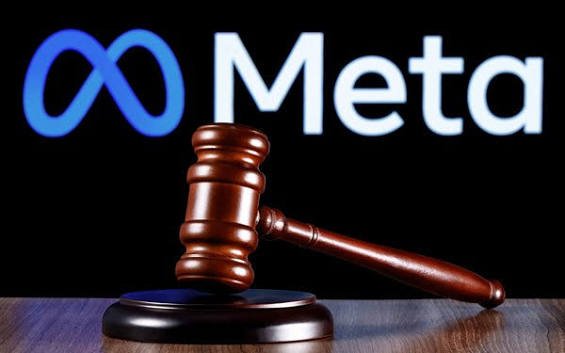
Meta Platform is facing a lawsuit that could become one of the most consequential legal tests of artificial intelligence in the workplace.
This has raised questions about if Artificial Intelligence can fairly evaluate employees and whether companies can rely on algorithms to make decisions that affect people’s livelihoods.
Twenty-six current and former Meta employees have sued the social media giant in the U.S. District Court for the Northern District of California, alleging that the company used AI-powered performance evaluation systems to unfairly target workers who were on medical, parental, disability, or family leave during a recent round of layoffs.
The plaintiffs are arguing that Meta’s AI-assisted performance assessment tools systematically disadvantaged employees who had taken legally protected leave, resulting in lower productivity scores that made them more likely to lose their jobs.
If successful, the case could establish one of the first major legal precedents governing the use of artificial intelligence in employment decisions, with implications extending well beyond Meta to companies worldwide that increasingly rely on AI to assess worker performance.
Allegations against Meta
According to court filings, the employees claim Meta incorporated internal AI systems which include its large language model, Metamate, alongside other workplace productivity tools to evaluate employee performance.
The lawsuit alleges these systems analysed metrics such as coding activity, communication patterns, AI token usage, project contributions, and other indicators of productivity.
Read also: Burna Boy makes history as World Cup anthem dominates Billboard charts
However, the plaintiffs argued that the AI models failed to distinguish between employees who were actively working and those who were on approved maternity, medical, disability, or family leave.
As a result, workers on protected leave allegedly received artificially lower performance ratings, increasing their likelihood of being selected for layoffs.
The legal action follows Meta’s workforce restructuring earlier this year, during which the company eliminated approximately 10 percent of its workforce which is around 8,000 employees as it redirected billions of dollars toward artificial intelligence infrastructure, talent acquisition, and next-generation AI products.
The workers argue that the layoffs violated several U.S. employment laws, including the Americans with Disabilities Act (ADA), the Family and Medical Leave Act (FMLA), the Pregnancy Discrimination Act, and state anti-discrimination statutes governing the use of AI in employment decisions.
The plaintiffs are seeking an injunction to stop the layoffs scheduled to take effect on July 22, arguing that the dismissals would result in the loss of healthcare coverage, parental leave benefits, and, in some cases, immigration status for foreign workers.
Meta rejects the claims
Meta has denied the allegations as the company maintains that while AI tools may have assisted managers during the review process, the final decisions regarding layoffs were made by human supervisors rather than algorithms.
A company spokesperson described the lawsuit as lacking merit and insisted that employment decisions remained under human oversight.
Why this Lawsuit matters
Meta’s lawsuit therefore arrives at a time when organisations across industries are integrating AI into core human resources functions.
The outcome could determine how much responsibility employers bear when AI systems contribute to employment decisions.
Although companies have used software to monitor employee performance for years, generative AI has expanded the scope of workplace surveillance and automated decision-making.
Businesses deploy AI to evaluate employee productivity, screen job applicants, identify workers for performance improvement plans, determine compensation adjustments and support restructuring and layoffs.
Can companies blame the algorithm?
One of the central legal questions is whether employers can shield themselves from liability by arguing that an AI system generated the recommendations.
Existing labour laws place responsibility on employers and not software for discriminatory decisions.
If a company deploys an AI model that disproportionately disadvantages workers based on disability, pregnancy, age, race, gender, or other protected characteristics, the employer remains legally accountable regardless of whether the discrimination was intentional.
Growing regulatory scrutiny of AI
In the United States, the Equal Employment Opportunity Commission (EEOC) has repeatedly warned employers that AI tools must comply with existing anti-discrimination laws.
The agency has advised organisations to audit AI systems for bias and ensure automated tools do not unfairly disadvantage protected groups.
Similarly, the European Union’s AI Act classifies AI systems used for recruitment, promotions, and employment decisions as ‘high-risk,’ subjecting them to stringent transparency, testing, and governance requirements before deployment.
Several U.S. states including California, New York, Colorado, and Illinois have also introduced or strengthened legislation governing algorithmic employment decisions.
Implications for global businesses
Although the lawsuit is being heard in the United States, its implications extend well beyond American companies.
Large multinational organisations often use similar AI-powered HR systems across multiple jurisdictions.
A ruling against Meta could encourage regulators in Europe, Africa, Asia, and Latin America to introduce stricter oversight of AI-assisted employment decisions.
For African markets where AI adoption is increasing across banking, telecommunications, technology, and business process outsourcing, the case could shape future workplace regulations before AI becomes deeply embedded in employment practices.

Get Newsletter Updates
Enjoying our column?
Subscribe to our specialised **Tech Pulse** feed to receive fresh reports and analyses directly in your inbox.

