

The Federal Government is developing sector-specific regulations to guide the use of artificial intelligence (AI) in healthcare, with a focus on patient privacy, ethical standards, transparency, and accountability.
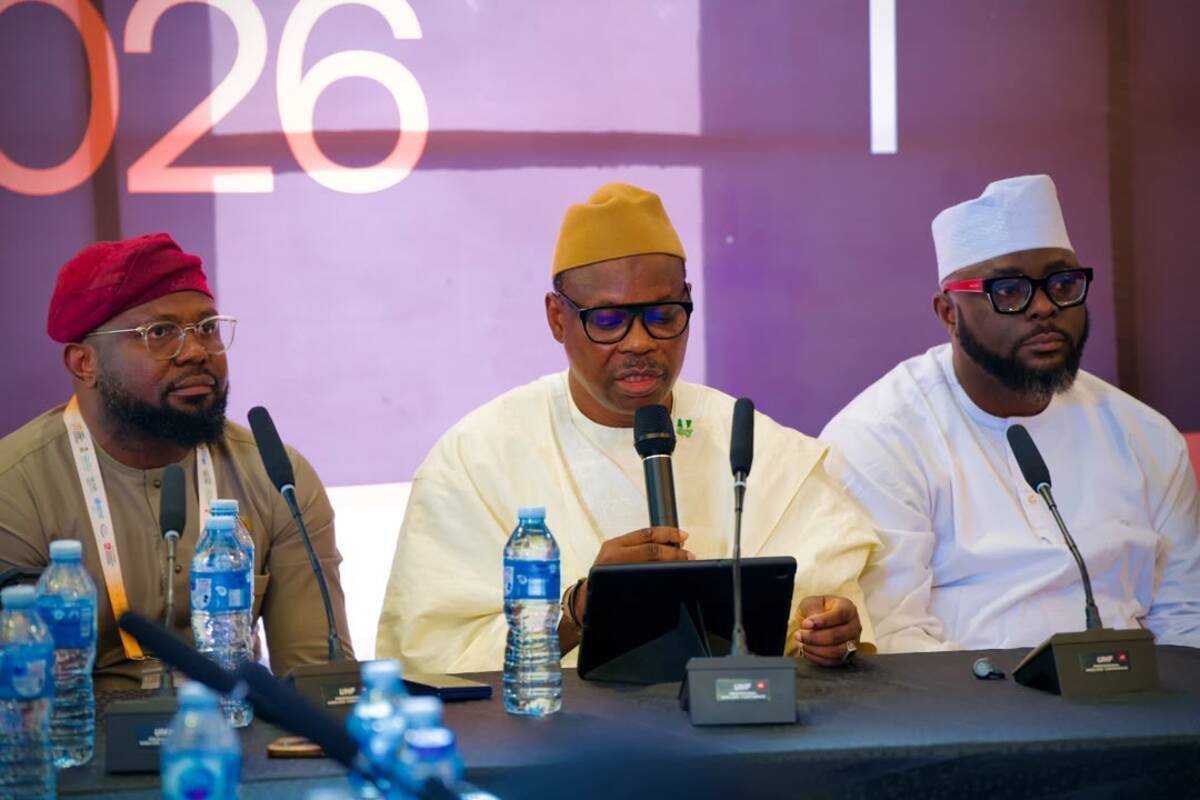
The Minister of State for Health and Social Welfare, Dr Iziaq Adekunle Salako, disclosed this at the AI in Health Summit 2026, held at the T.Y. Danjuma Centre, Abuja, where he called for stronger governance frameworks to ensure the responsible use of AI in Nigeria’s health sector.
Salako said the government was building on the Nigeria Data Protection Act 2023 to develop regulations covering health data, including the secondary use of clinical information for public health purposes, anonymization standards, and consent frameworks.
He said Nigeria’s digital health transformation was guided by the Nigeria Digital Health Strategy (2021–2025), the Nigeria Digital-in-Health Initiative and the National Artificial Intelligence Strategy, launched in September 2025, which identifies healthcare as a priority sector for AI adoption.
According to the minister, the National Digital Health Architecture, endorsed by all 36 states and the Federal Capital Territory, provides a technical framework for integrating digital technologies into Nigeria’s healthcare system.
He said the government was committed to deploying digital innovation, data systems and AI to improve decision-making, strengthen accountability, enhance service delivery and expand access to quality healthcare.
“The potential of AI to transform healthcare delivery in Nigeria is immense, with the market projected to grow substantially, presenting opportunities for innovation, investment and job creation,” he said.
Salako said AI was already being used in disease surveillance, clinical decision support, diagnostics, supply chain management and health financing, with the potential to improve health outcomes, particularly among underserved populations.
ALSO READ: FG moves to improve trade balance amid naira devaluation
He added that the National Centre for Artificial Intelligence and Robotics, under the National Information Technology Development Agency, was leading projects to integrate AI into healthcare delivery.
The minister also highlighted the Nigeria Atlas for Languages and AI at Scale, which he described as Nigeria’s first open-source, multilingual and multimodal large language model trained on local language data.
He said the initiative would help ensure that AI-powered tools catered to Nigerians across different languages and literacy levels.
However, Salako identified inadequate digital infrastructure, unreliable electricity, limited broadband connectivity and fragmented health data systems as challenges requiring sustained intervention by the government and other stakeholders.
He said the government was working to address gaps in health information management through the National Digital Health Architecture and a planned Health Information Exchange. Efforts were also underway to expand digital infrastructure in rural and underserved communities.
The minister said building the capacity of healthcare workers was equally important, noting that investment in digital literacy and AI skills would be needed across the health workforce, from community health workers to specialist clinicians and health system managers.
He stressed the need for Nigeria to move beyond isolated pilot projects and integrate AI applications into the health system on a larger scale, with measurable improvements in service delivery.
“AI cannot thrive without reliable digital infrastructure, quality data systems, interoperability standards, cybersecurity safeguards and a skilled workforce,” he said.
Salako called for greater collaboration among government agencies, development partners, academic institutions, innovators, healthcare providers and the private sector to develop sustainable financing and implementation models.
He also urged stakeholders to prioritise equity in the deployment of AI tools, warning that technology should help reduce existing healthcare disparities rather than widen the gap between urban and rural populations.
According to him, Nigeria must invest in training programmes, incorporate AI competencies into medical and health professional curricula, and create opportunities for local innovators to develop solutions to the country’s healthcare challenges.
The minister urged policymakers to establish clear regulatory frameworks, innovators to develop interoperable and scalable solutions, and development partners to align their support with national priorities.
He also encouraged healthcare professionals to adopt digital tools and participate in their design and implementation, while urging researchers and academic institutions to generate evidence to guide policy and practice.
Salako said Nigeria and other African countries could use AI to make healthcare more accessible, efficient and patient-centered through strategic investment, clear regulations, workforce training and sustained political commitment.
He urged participants to ensure the summit produced practical outcomes, describing it as an opportunity to strengthen collaboration and advance the responsible use of technology in healthcare delivery.
WATCH TOP VIDEOS FROM NIGERIAN TRIBUNE TV